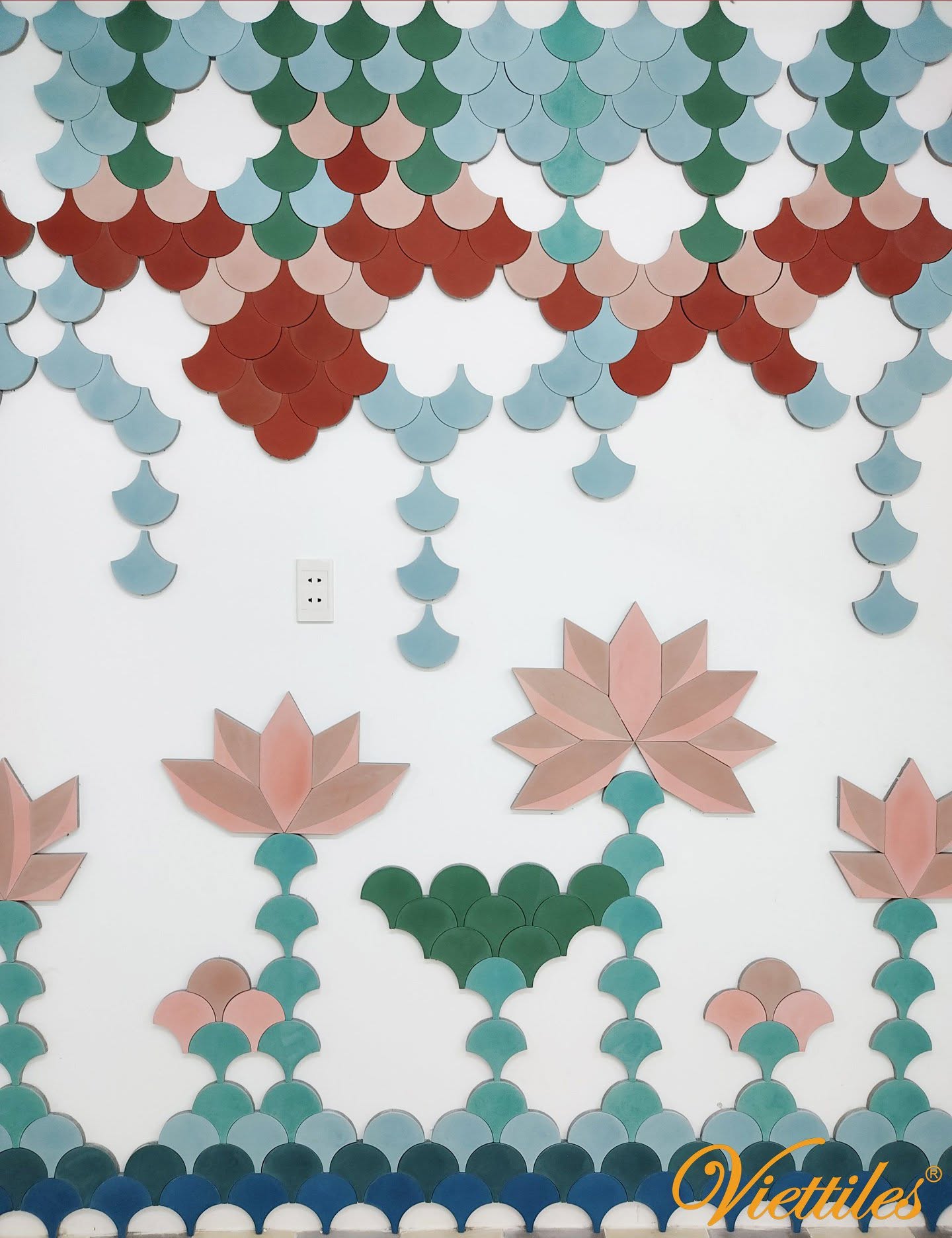
The History of Encaustic Cement Tiles A Journey from Europe to Vietnam
Where Were Encaustic Cement Tiles Born? – Origins in 19th-Century Europe
Encaustic cement tiles — also known as patterned tiles or gạch bông in Vietnamese — were invented in the mid-19th century in France and Spain. Unlike traditional fired ceramic tiles, these tiles are handmade by pressing a mixture of cement, stone powder, and pigments under high pressure, without the need for firing. This innovative technique quickly spread across Europe due to:
● A wide variety of customizable designs
● Lower production costs compared to glazed ceramic tiles
● High durability, especially suitable for humid climates
During the Industrial Renaissance, encaustic cement tiles became an essential feature in European villas, palaces, and train stations — admired for their classical elegance and timeless sophistication.
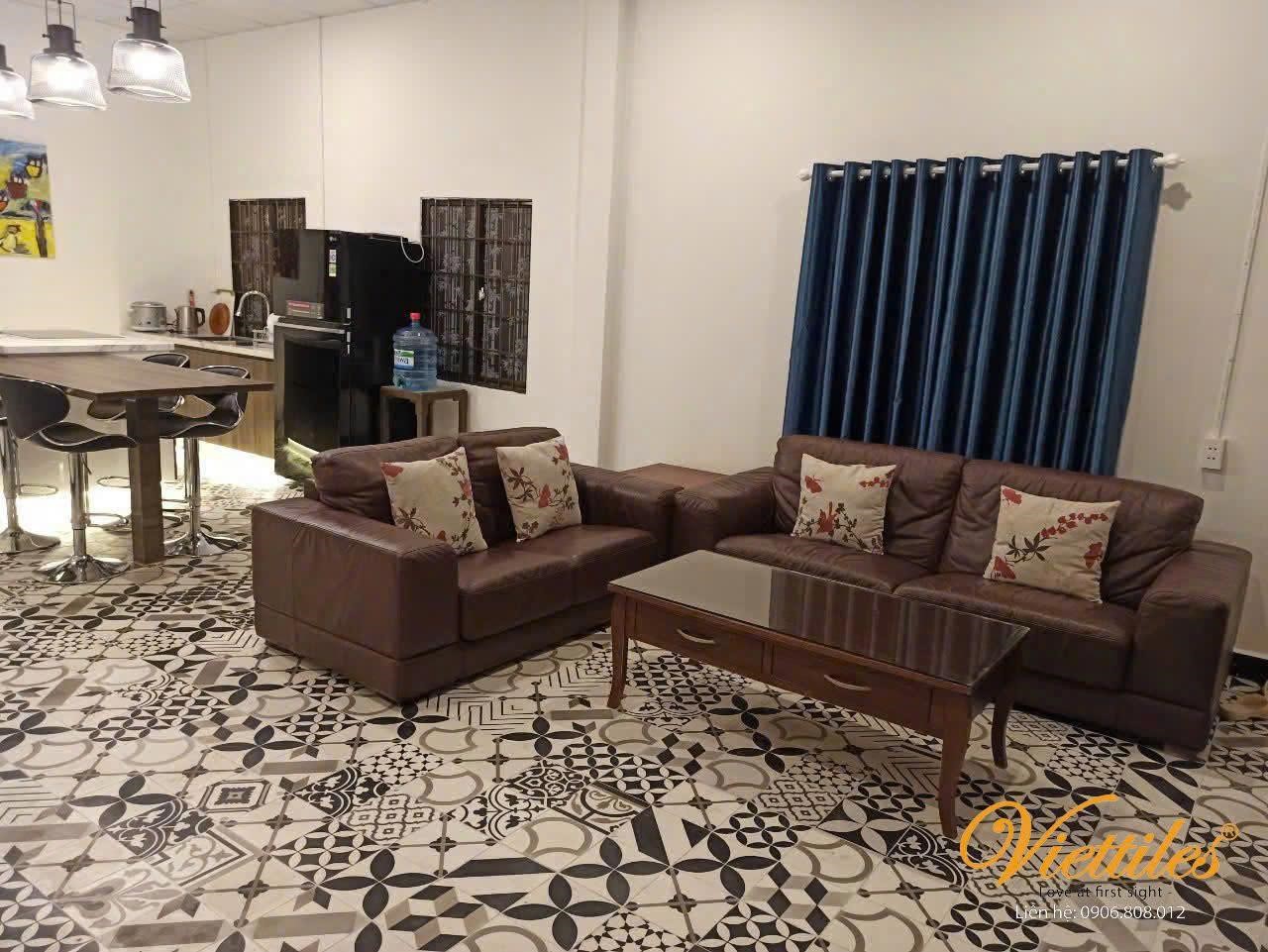
Encaustic Cement Tiles Enter Vietnam with the French Colonists
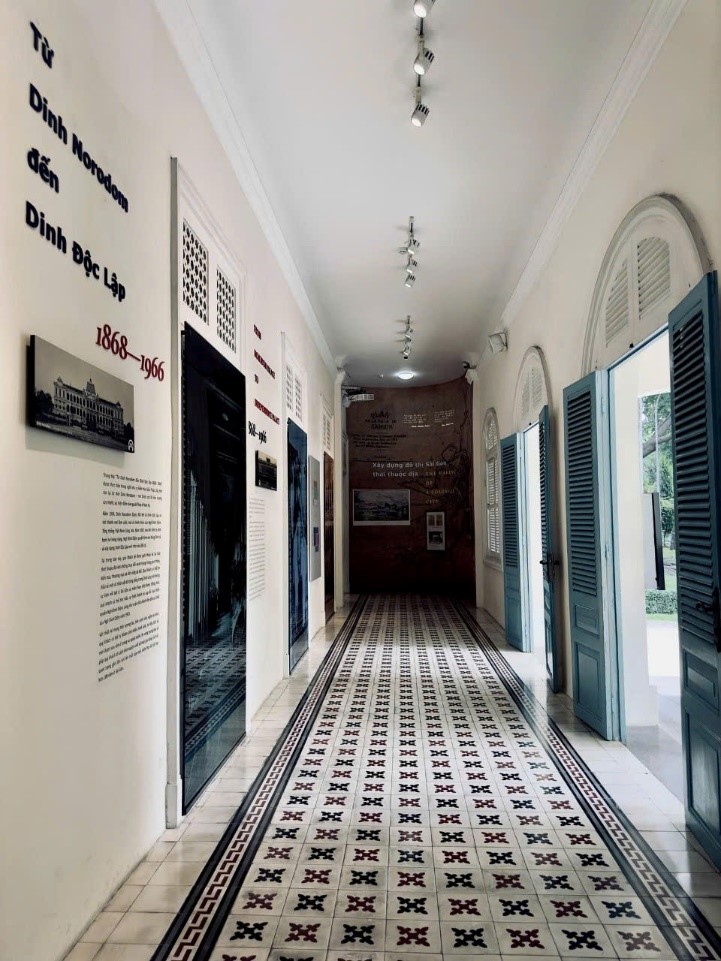
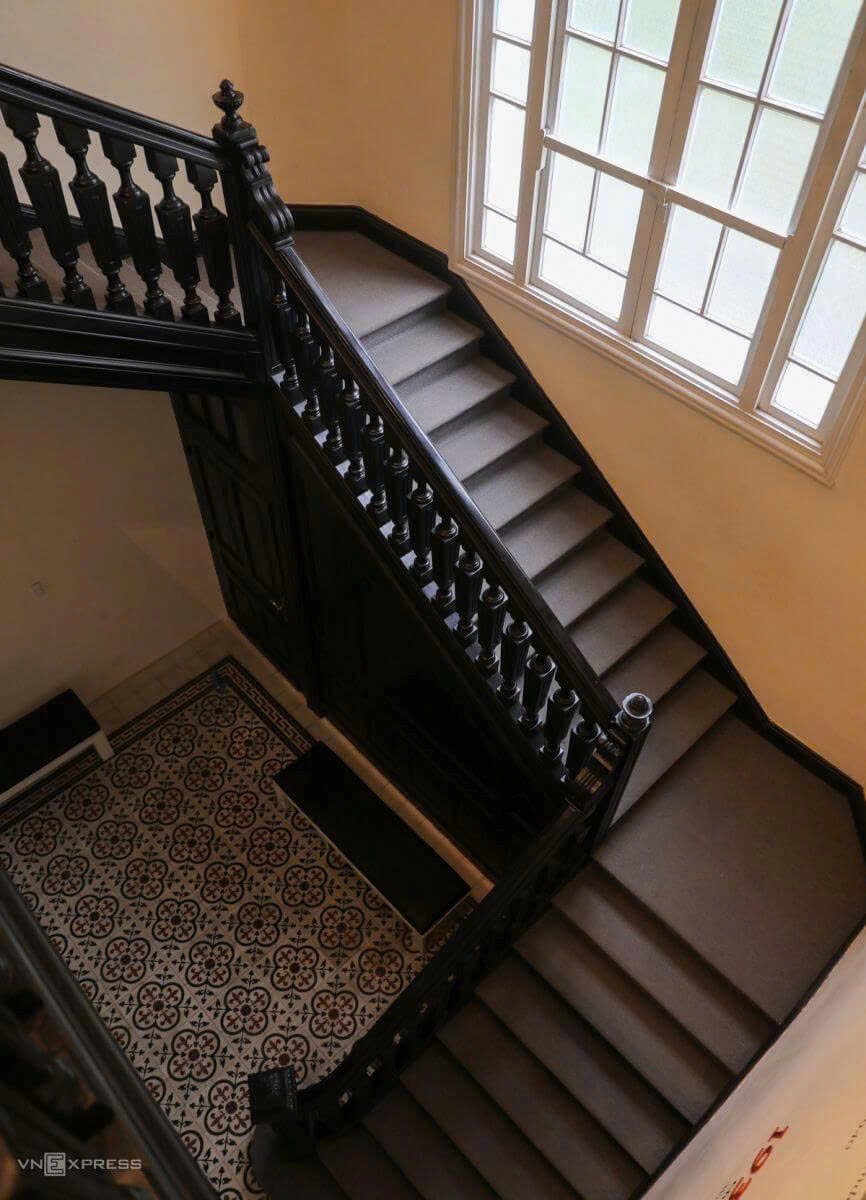
By the late 19th century, as the French began building infrastructure in Indochina, encaustic cement tiles were introduced into Vietnam as part of French-style urban architecture. Saigon, Hanoi, and Hue were among the first cities to adopt this material in public buildings, churches, and villas.
From there, the tiles quickly gained popularity and became a hallmark of early 20th-century Vietnamese architecture, found in:
-
● Old townhouses in Hanoi
● French villas in Da Lat
● Temples and community buildings throughout Central and Southern Vietnam
The Vietnamese soon reinterpreted tile patterns in their own style — blending Eastern motifs with Western aesthetics — creating a distinct and culturally rich identity.
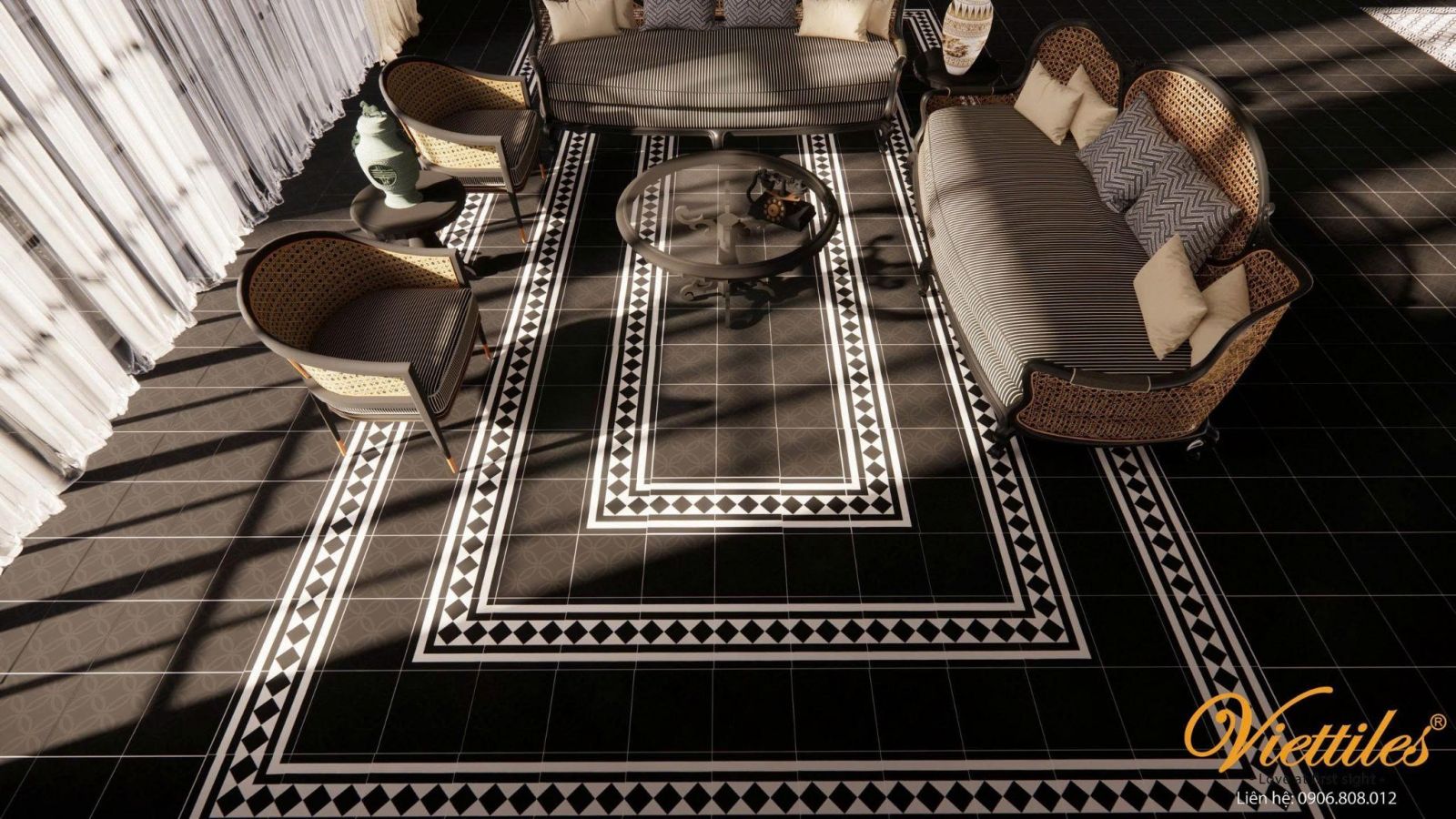
A Period of Decline – The Forgotten Tile
After 1975, with the rise of industrial materials such as ceramic and granite tiles, encaustic cement tiles gradually faded into obscurity. Many small-scale manufacturers closed down, and the craftsmanship began to disappear. People started to view these tiles as “old-fashioned” or “outdated,” and they remained only in a few aging buildings.
The Revival – A Comeback Through the Retro Wave & Viettiles’ Creativity
Entering the 21st century, as retro, vintage, and handcrafted design trends gained popularity, encaustic tiles made a remarkable comeback. People not only admired their classic beauty but also appreciated their:
-
● Exquisite handcrafted quality
● Rustic yet distinctive charm
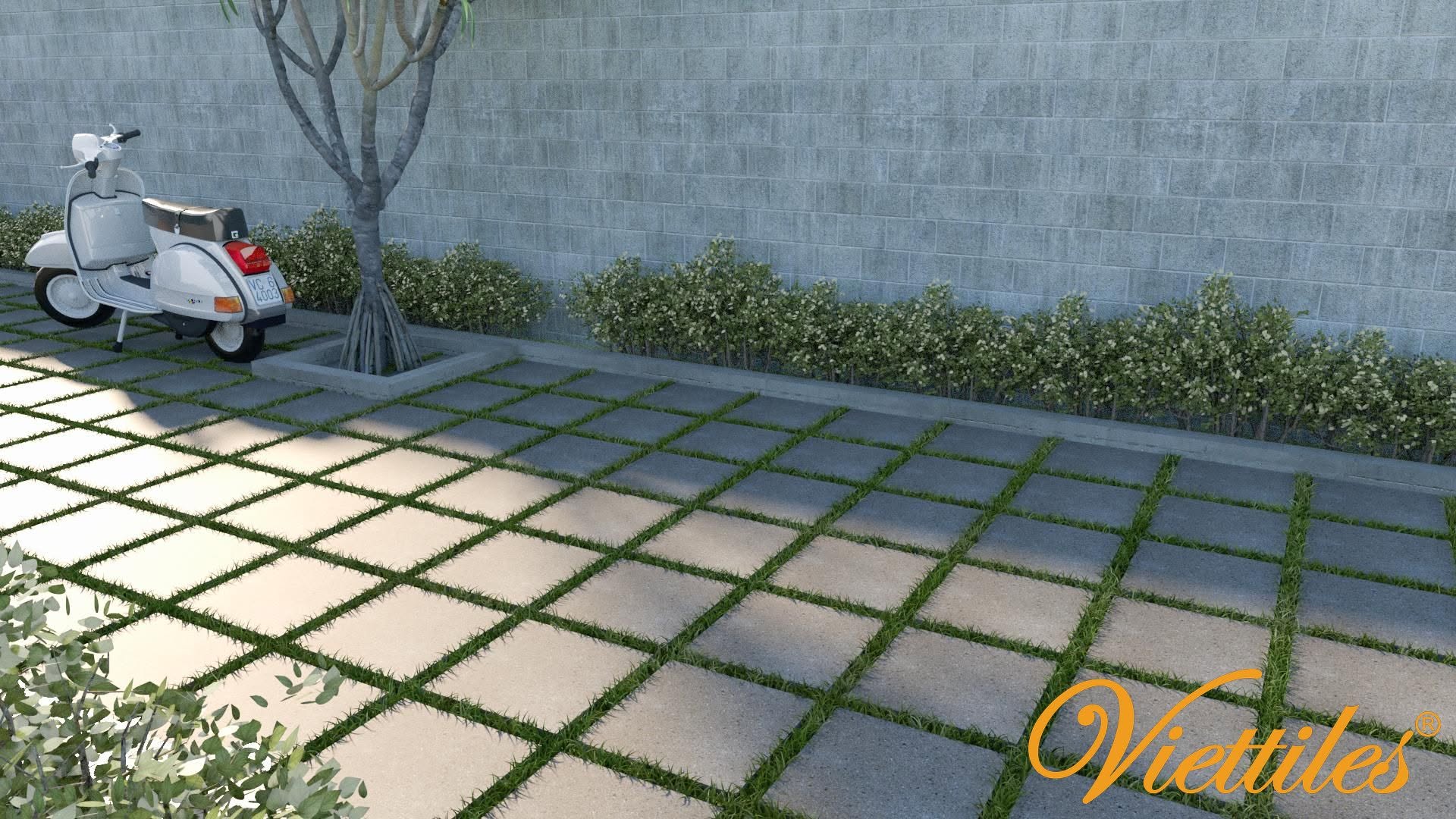
● Versatile applications — from flooring and wall cladding to bar counters and stair décor

Viettiles is one of the pioneering brands in reviving and advancing the traditional art of encaustic cement tiles in Vietnam. With a team of skilled artisans and a modern production line, Viettiles offers hundreds of tile designs ranging from classical to contemporary styles, along with custom pattern design services tailored to client needs.
Cement Tiles in Modern Spaces – A Harmony of Past and Future
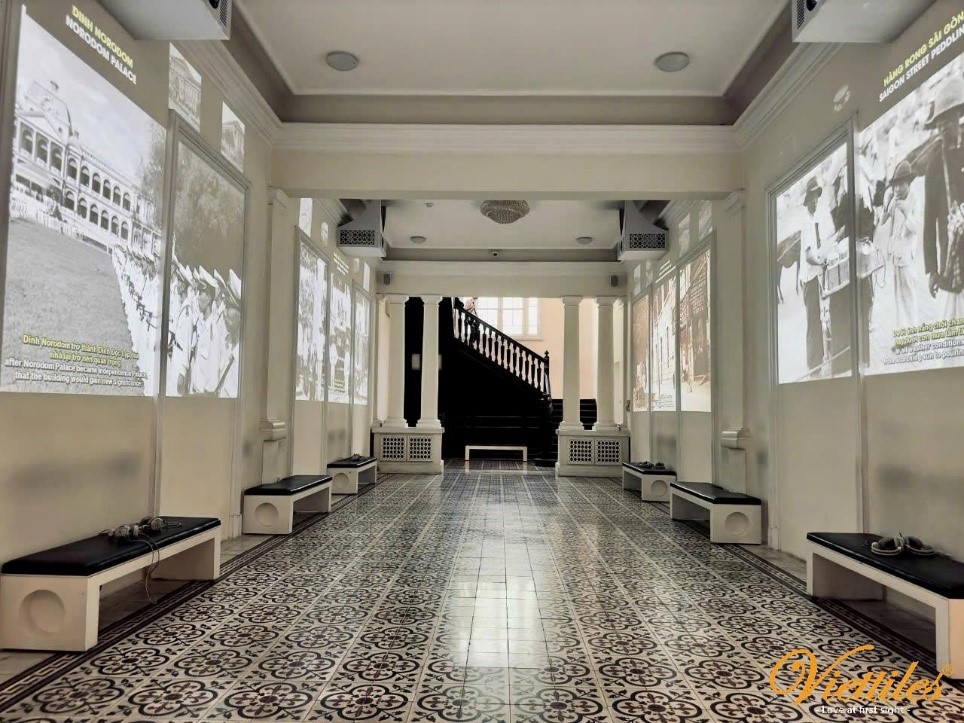
Today, encaustic cement tiles are not only a nostalgic reminder of the past but have been reborn in modern living spaces, including:
-
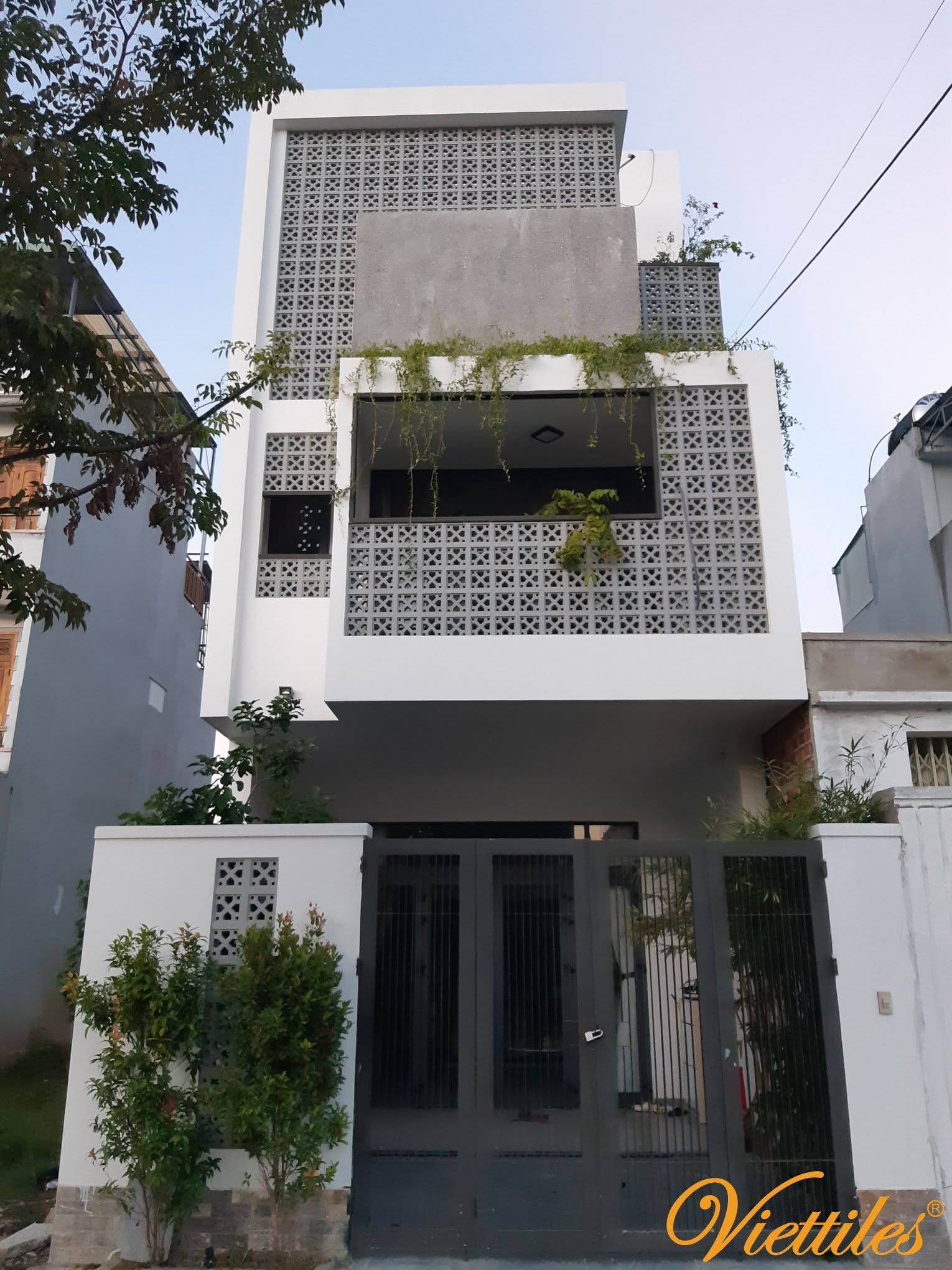
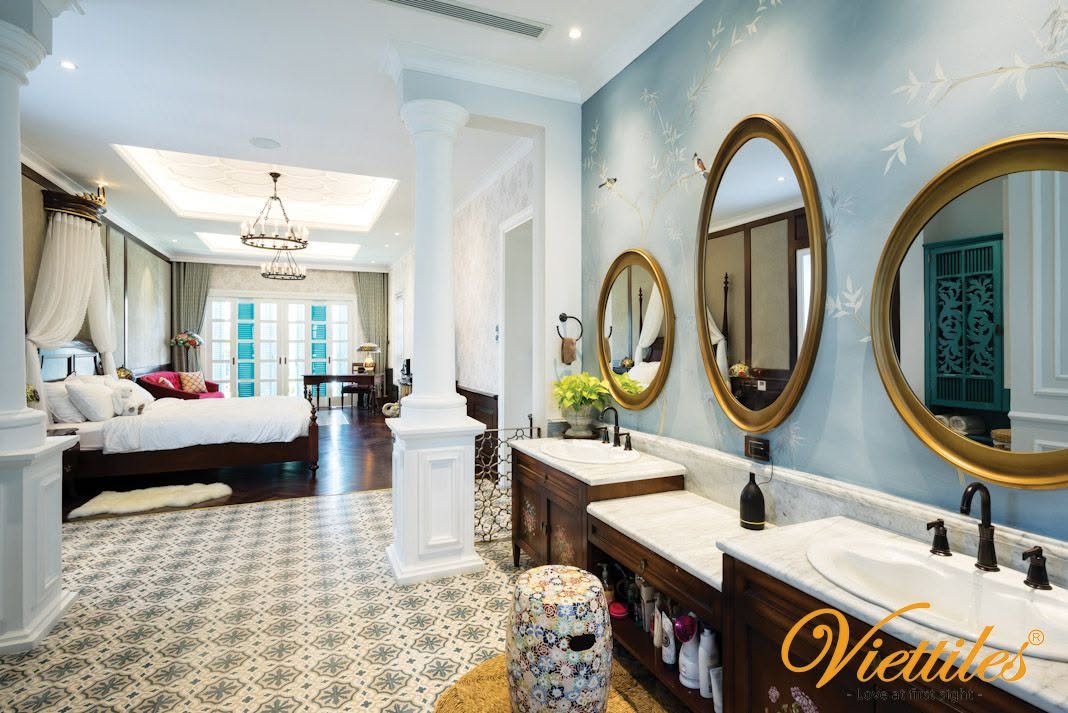
● Townhouses and neo-classical villas
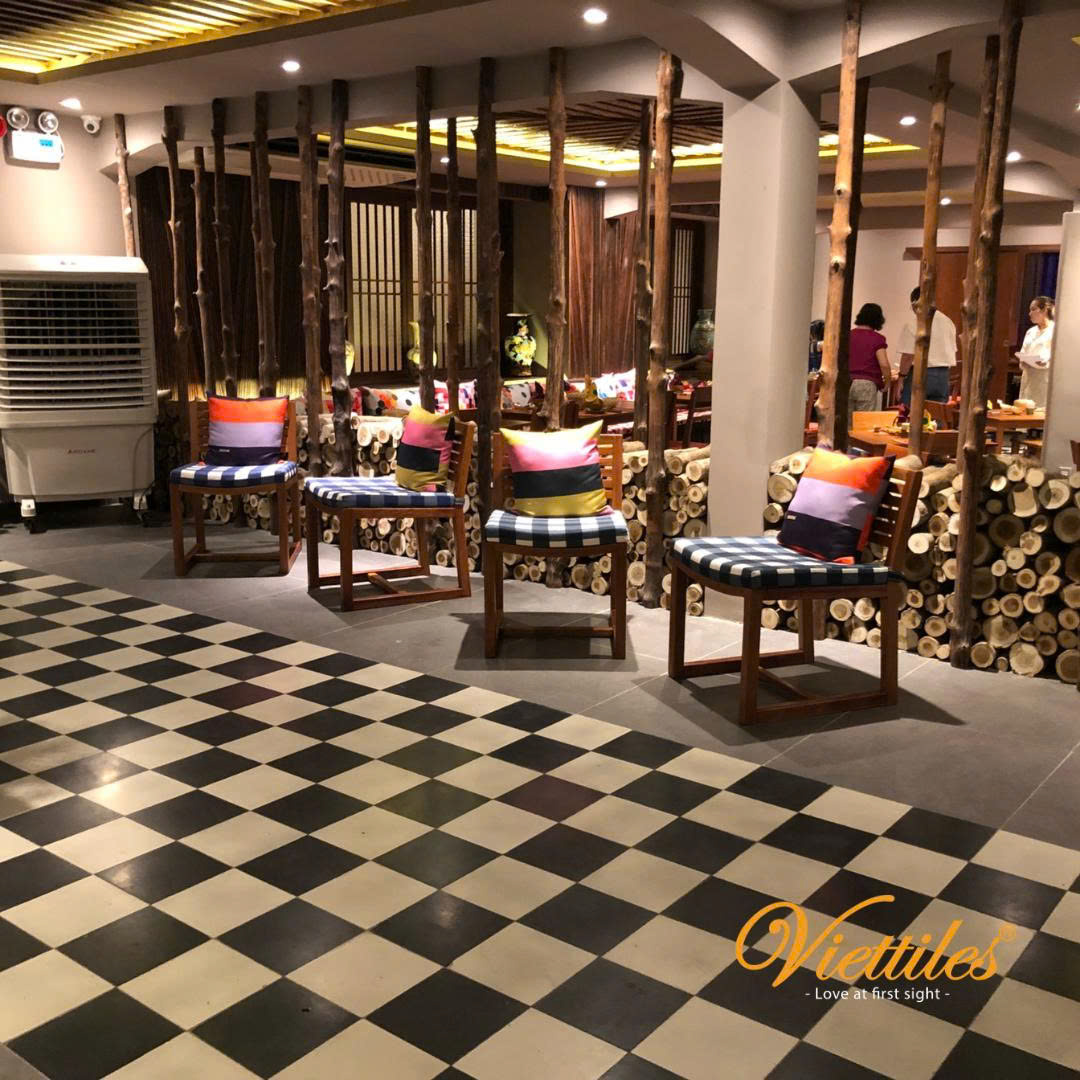
● Vintage-style cafés and homestays
● Boutique hotels and high-end resorts
.jpg)
Many architects consider encaustic cement tiles a flexible “decorative language” that can blend seamlessly with a variety of styles — from minimalist and contemporary to Indochine and Bohemian.
Conclusion: Encaustic Cement Tiles – A Timeless Living Heritage
The history of encaustic cement tiles is a cross-continental journey — from the grandeur of Europe to the depth and creativity of Vietnam. Despite the ups and downs over time, these tiles have endured as a symbol of the art of living, preserving cultural essence while enhancing modern spaces with beauty and character.
If you are looking for high-quality handcrafted tiles that reflect personal style and artistic spirit, let Viettiles accompany you in creating an inspiring living space.