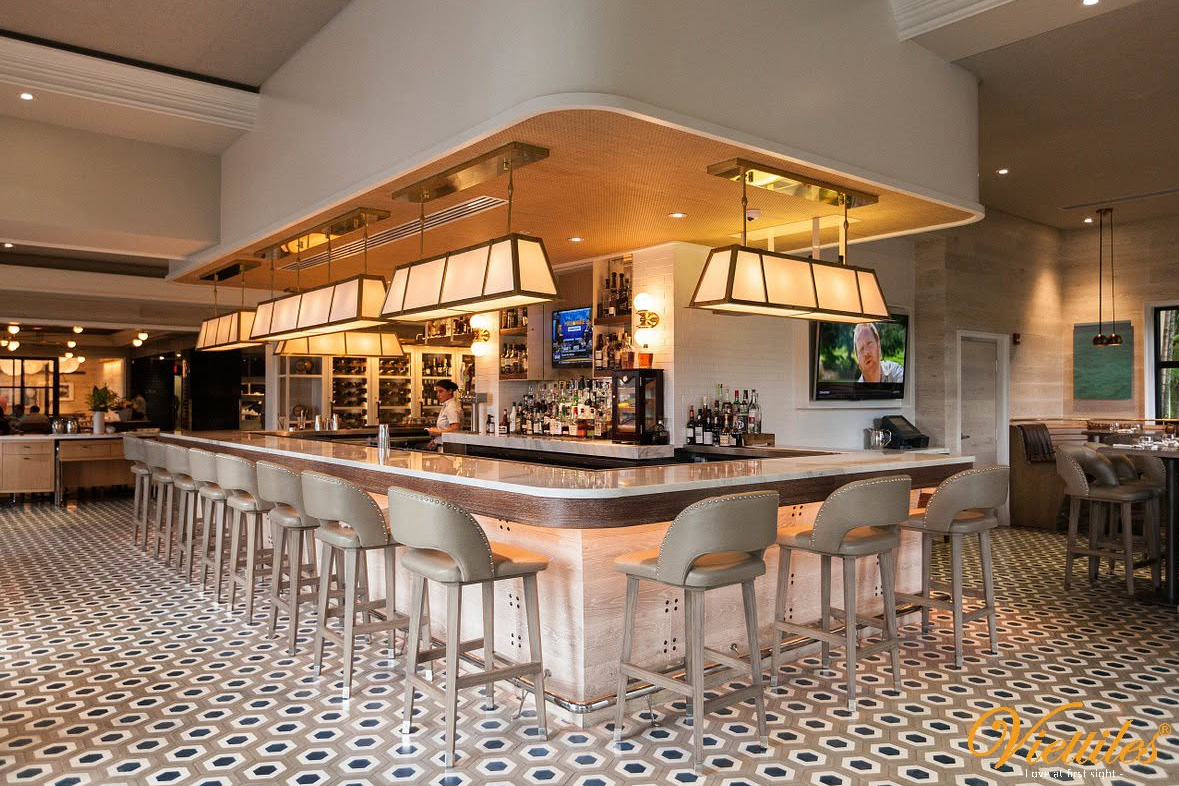
The Art of Shadows in Architecture – When Light Becomes a Design Material
Some architectural works remain unforgettable not because of their size or extravagant details, but because of the way they interact with light.
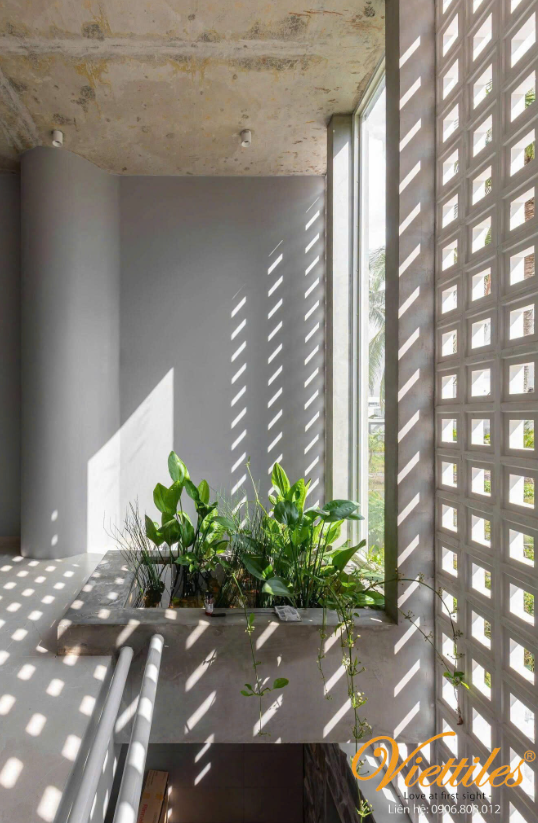
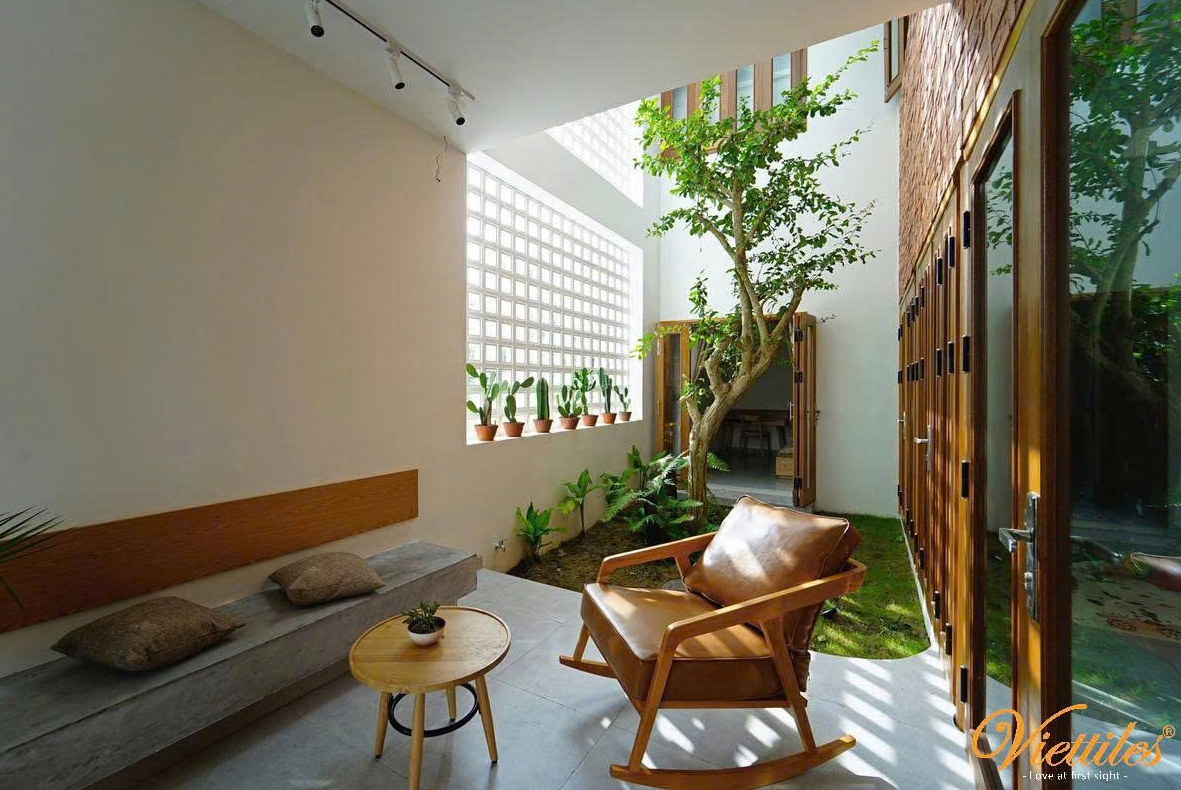
Every morning, sunlight filters through breeze blocks, casting moving patterns of light and shadow across the floor. As evening falls, elongated shadows stretch across handcrafted brick walls, giving the space a new appearance with every passing moment.
At that point, architecture is no longer a collection of static concrete forms—it becomes a living work of art shaped by light, shadows, and materials.
That is why, in contemporary architecture, shadows are no longer merely a byproduct of light; they have become an intentional design element.
Shadows – The Invisible Material That Creates Spatial Depth
Architecture is not experienced through form alone. A space can feel larger, softer, or more emotionally engaging simply because of the way light interacts with its materials.
When light strikes a flat surface, everything appears uniform. But when it passes through openings, textured surfaces, or layered materials, shadows emerge, creating visual effects that constantly evolve.
This is what makes many architectural spaces feel "alive," even though their physical structure never changes.
Why Do Architects Pay So Much Attention to Shadows?
In architectural design, natural light is more than a source of illumination.
It is also a tool for creating emotion.
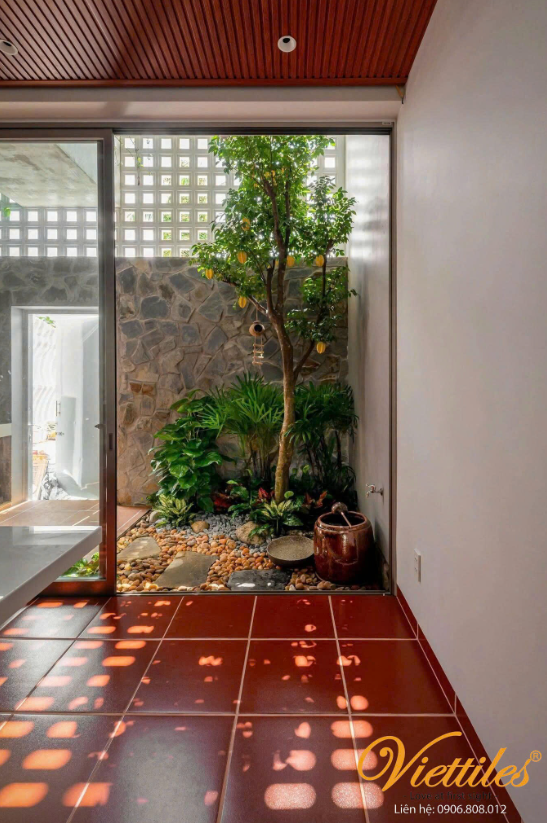
A courtyard where tree shadows fall across tiled flooring evokes a sense of tranquility.
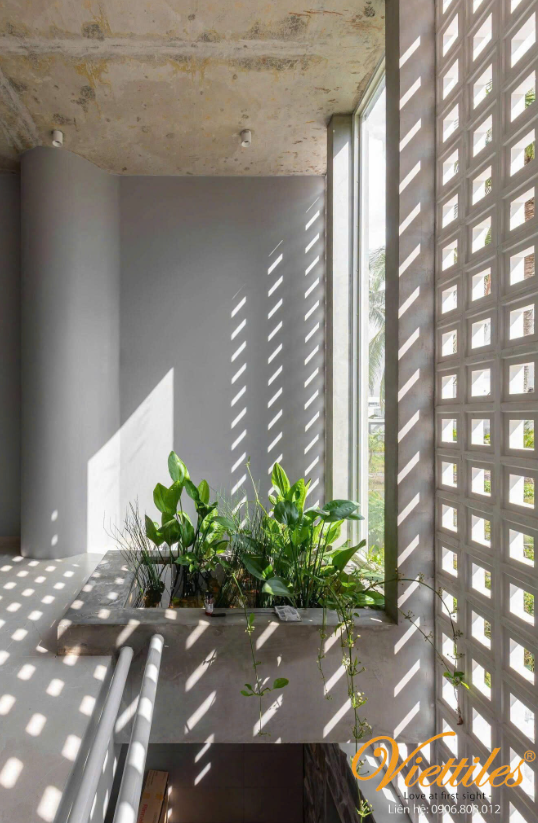
A corridor where sunlight filters through breeze blocks creates a rhythmic interplay of light and shadow, allowing people to experience the depth of the architecture more vividly.
For this reason, many architects consider shadows to be the "second material" of a space.
Although invisible and intangible, they have the power to completely transform the way people experience architecture.
Breeze Blocks – A Material That Brings Light Into Motion
Among architectural materials, breeze blocks are one of the most effective solutions for creating dramatic shadow effects.
Thanks to their open structure and diverse patterns, light does not enter a space as a simple beam. Instead, it is divided into multiple layers of light and shadow.
As the sun moves throughout the day, these shadow patterns continuously change, giving façades, corridors, and courtyards an ever-evolving appearance.
This is why breeze blocks are frequently used in:
• Boutique hotels
• Resorts
• Luxury villas
• Modern townhouses
• Cafés
• Courtyard spaces
Beyond providing natural ventilation and daylight, breeze blocks offer something few other materials can achieve—they create beauty that changes with time.
Artistic Tiles Are Beautiful Not Only for Their Colors but Also for Their Texture
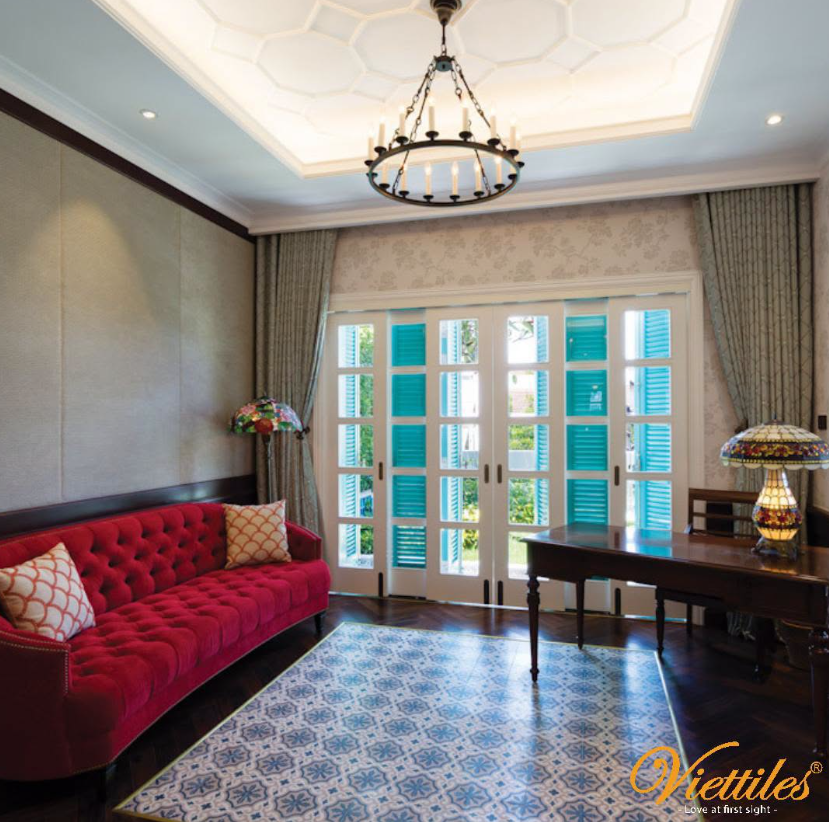
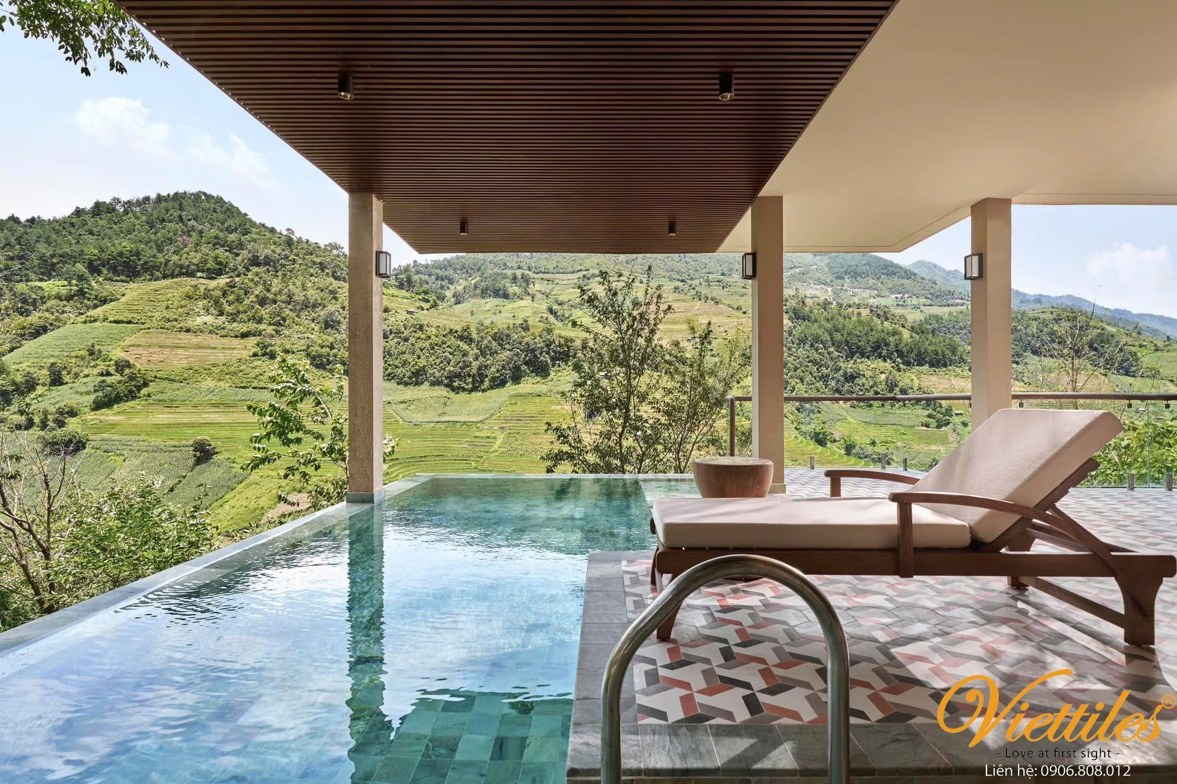
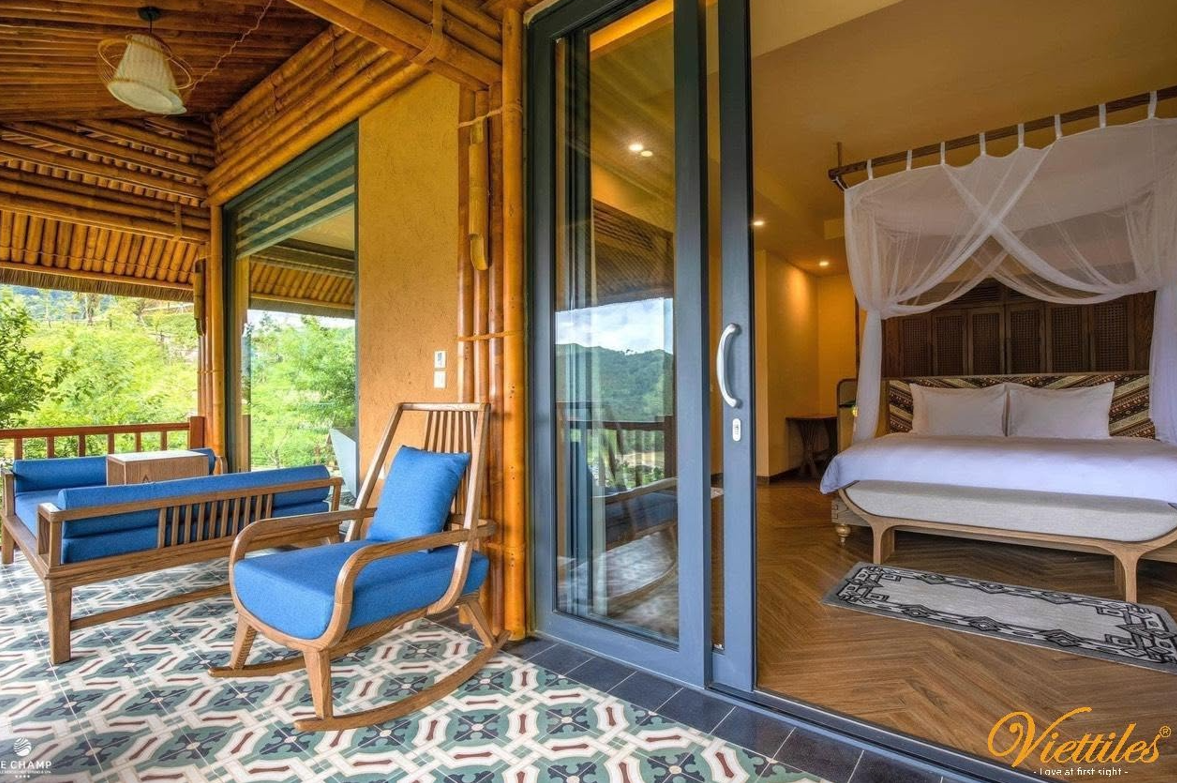
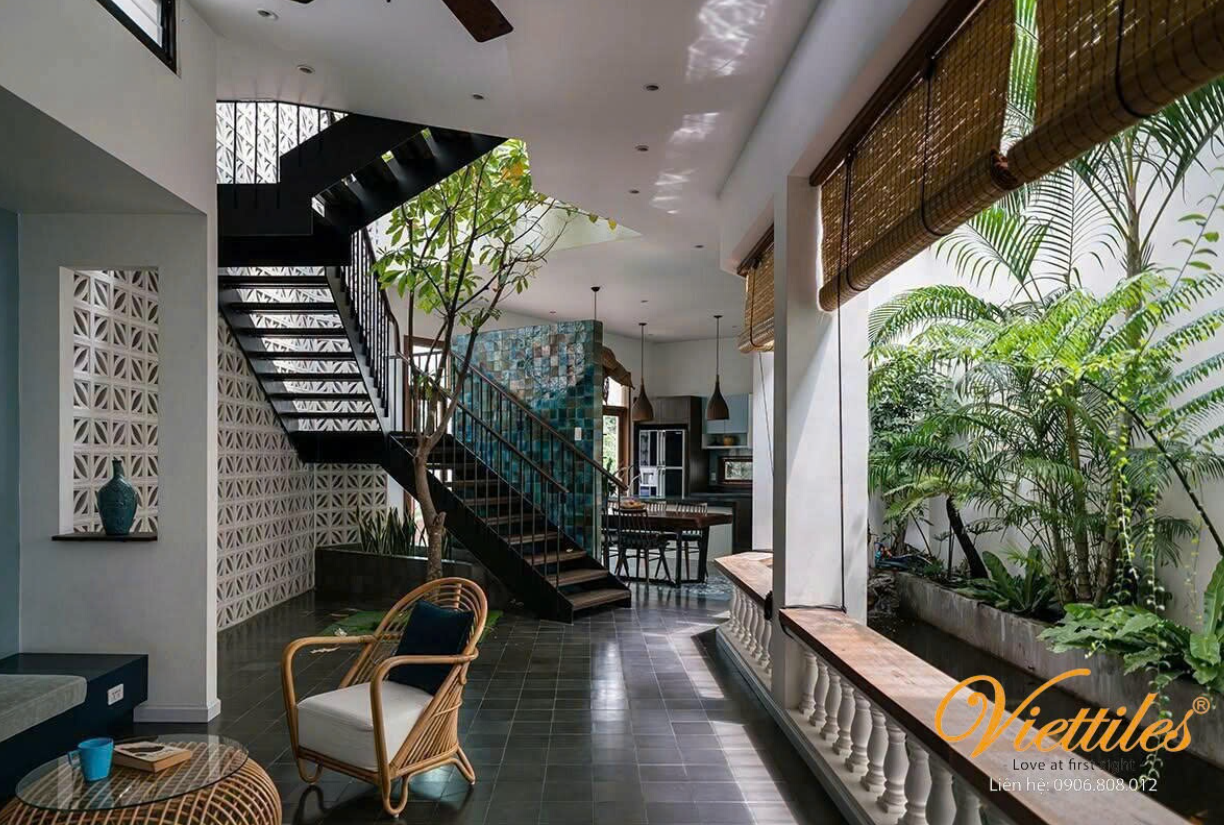
Light naturally interacts with textured surfaces. Decorative cement tiles, terrazzo tiles, and 3D tiles stand out not only because of their patterns but also because of the unique ways they reflect and absorb light.
The naturally textured handcrafted surface softens the light, creating a warm and authentic atmosphere.
Meanwhile, the raised textures of 3D tiles generate delicate contrasts between light and shadow, allowing walls to transform with changing viewpoints and daylight throughout the day. This is a kind of beauty that flat, uniform materials cannot easily achieve.
Shadows Help Shape the Identity of Architecture
The buildings we remember most are not necessarily those built with the most expensive materials.
What makes them exceptional is the way their materials interact with nature.
A porch welcoming the morning sunlight.
A corridor filled with long, elegant shadow patterns.
A breeze block wall that transforms sunlight into an artistic composition.
These may seem like small details, yet they are powerful enough to define the character of a space.
For resorts, boutique hotels, and hospitality projects, these moments become memorable experiences that add lasting value and distinguish the project from others.
Sustainable Architecture Begins with Natural Light
Modern architecture is not only about reducing energy consumption—it also seeks to maximize the use of natural light.
Materials such as breeze blocks allow sunlight and fresh air to enter buildings in a controlled manner, reducing dependence on artificial lighting and air conditioning.
This is one of the reasons many architects choose breeze blocks when designing environmentally responsible buildings.
When functionality and aesthetics coexist within a single material, architecture becomes sustainable in both technical performance and emotional value.
Viettiles – Creating Beauty Through Light, Materials, and Art
At Viettiles, every tile is created for more than simply finishing a surface.
Each product helps shape the way light enters a space, the way shadows create depth, and the way people experience architecture every day.
From breeze blocks and decorative cement tiles to terrazzo tiles and 3D tiles, every Viettiles product is developed to balance functionality, aesthetics, and artistic expression.
Because truly beautiful architecture is not only seen—it is experienced through every ray of sunlight, every shadow, and every subtle transformation of light throughout the day.
Conclusion
Shadows are not merely the result of light; they are an essential part of the language of architecture.
When combined with materials rich in depth and texture, such as breeze blocks, decorative cement tiles, and terrazzo tiles, light becomes an invisible design material that keeps spaces dynamic, emotionally engaging, and uniquely expressive.
This is the philosophy that drives Viettiles—to create materials that are not only durable and beautiful but also enable architecture to tell stories through light, texture, and art.