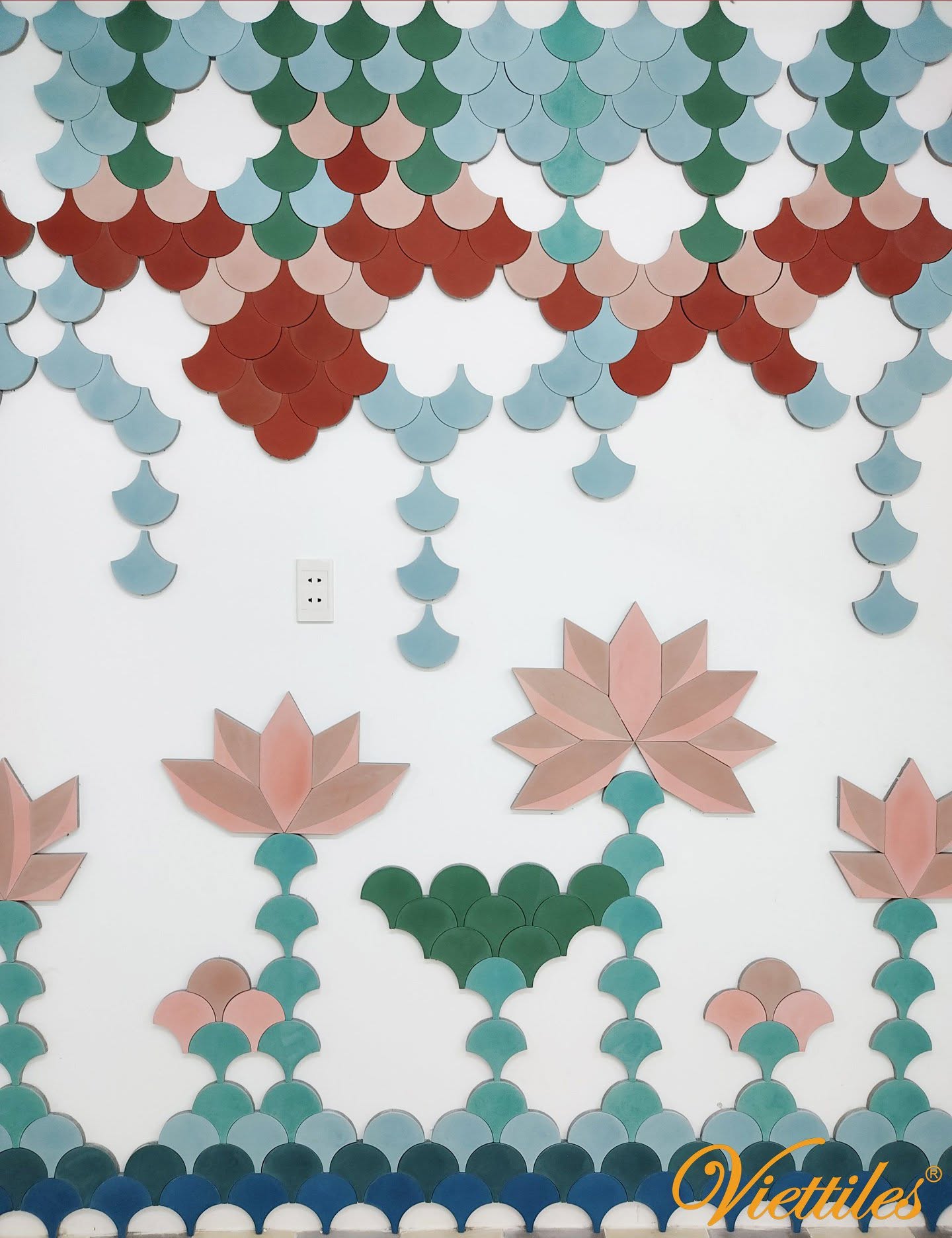
Viettiles Ventilation Bricks – A Natural Lighting & Ventilation Solution for Vietnamese Homes
In Vietnamese residential architecture, natural light and ventilation have always been two of the most essential elements. In a hot and humid tropical climate, spaces that can “breathe,” welcome the breeze, and channel daylight consistently offer comfort and long-term sustainability. Ventilation bricks—once considered a humble material—are now making a strong comeback in contemporary architecture, reappearing with a more refined, aesthetic, and modern identity.
When walls are no longer solid boundaries
Unlike conventional solid walls, ventilation bricks create surfaces that can breathe. Light does not flood the space abruptly; instead, it gently filters through each opening. Air does not rush in forcefully, but flows softly and is naturally regulated. It is this sense of balance—never too much, never too little—that brings a calm, comfortable atmosphere, perfectly suited to the rhythm of Vietnamese homes.
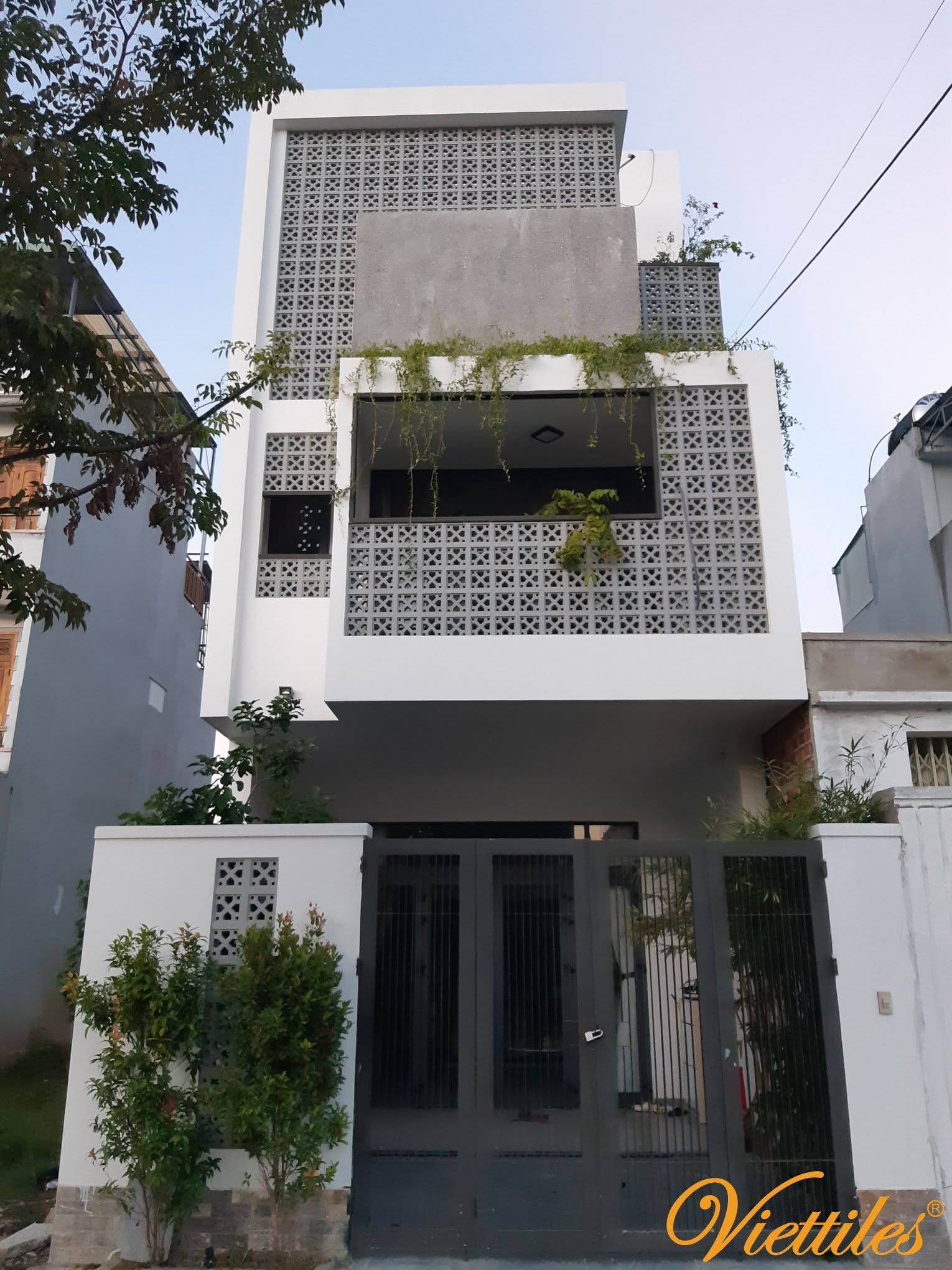
In many projects, ventilation brick walls go beyond their technical function to become architectural highlights—where daylight and afternoon shadows interact, creating subtle movements and a unique spatial character.
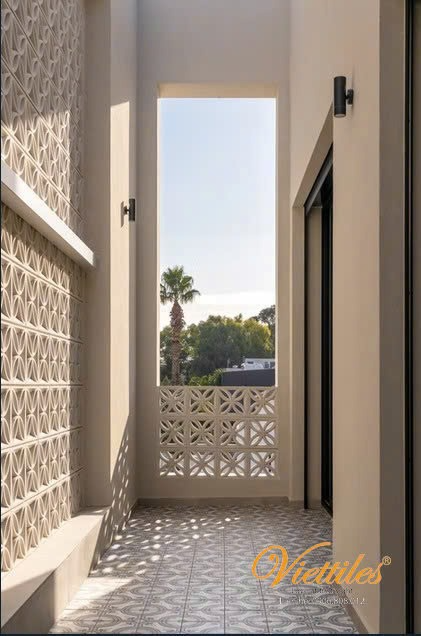
Ventilation Bricks – A Solution Suited to Vietnam’s Climate
Vietnamese homes commonly face several challenges:
• Poor ventilation and stuffy indoor spaces
• Narrow townhouses with limited access to natural light
• Excessive heat in summer and high humidity during the rainy season
Using Viettiles ventilation bricks helps address multiple issues at once:
• Allows natural daylight without harsh glare
• Enhances air circulation, reducing feelings of confinement
• Minimizes heat absorption, supporting a cooler indoor environment
• Reduces dependence on electric lighting and fans during daytime
For these reasons, ventilation bricks are especially well-suited for townhouses, tube houses, west-facing homes, and buildings located in hot and humid climates.
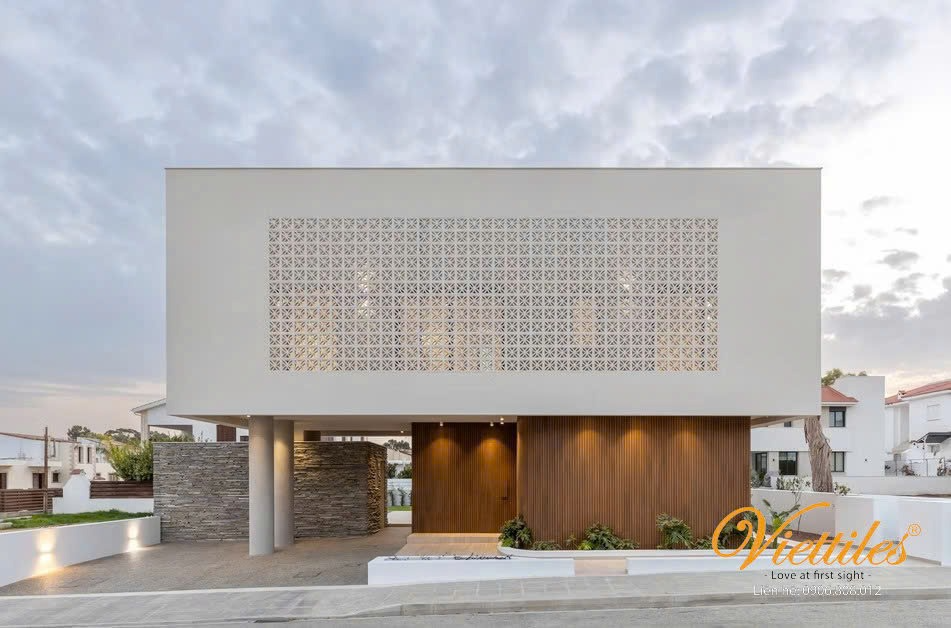
Rustic Beauty Without Roughness
One of the most significant transformations of ventilation bricks today lies in their aesthetics. No longer merely technical building components, Viettiles ventilation bricks are designed with balanced forms, refined surface finishes, and harmonious colors—ranging from modern cement tones to warm terracotta hues that evoke a sense of tradition.
When incorporated into architectural projects:
• Ventilation bricks can be used for façades—offering privacy while maintaining openness
• As stairwell screens, where daylight gently cascades onto each step
• As boundary walls—light in appearance yet structurally solid
• Or as decorative partitions, replacing rigid, enclosed walls
At each position, ventilation bricks create a distinct atmosphere—deeply familiar, yet never outdated.
Ventilation Bricks in Contemporary Vietnamese Architecture
Interestingly, ventilation bricks do not stand in contrast to modern architecture; instead, they integrate seamlessly. When combined with:
• Exposed concrete
• Natural wood
• Greenery
• Indirect lighting
Ventilation bricks become a bridge between raw materials and refined living spaces. This is also why many architects choose ventilation bricks for projects that emphasize sustainability, restraint, and depth of experience.
Why Do So Many Projects Choose Viettiles Ventilation Bricks?
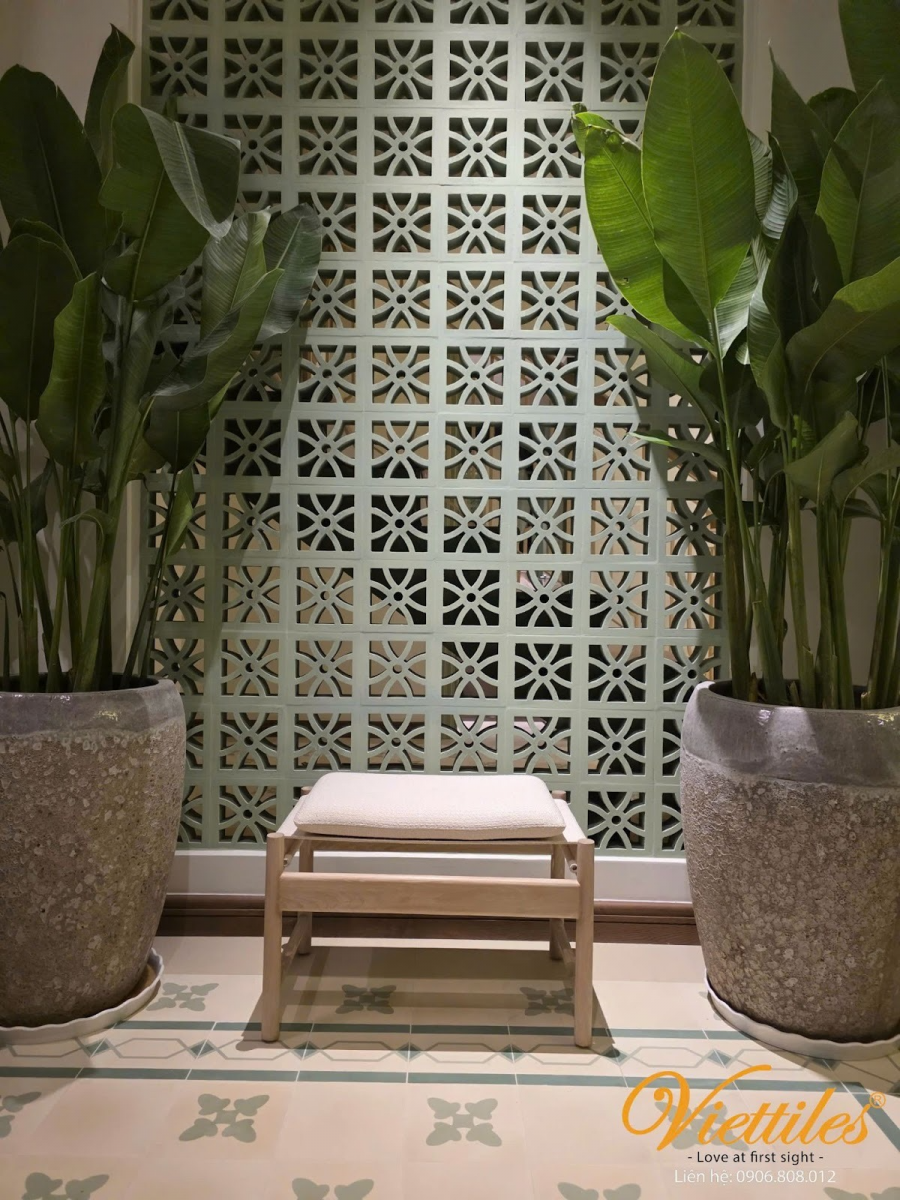
Without chasing excessive complexity, Viettiles ventilation bricks focus on:
• High practicality for Vietnamese residential buildings
• Stable quality, well-suited for real-world construction
• Harmonious design that easily complements various architectural styles
• Strong performance in both technical requirements and aesthetics
As a result, the bricks are not only visually appealing when newly built, but also retain their form and emotional value over time.
Conclusion
Amid increasingly solid concrete walls, ventilation bricks emerge as a much-needed breath of space for Vietnamese homes. Unpretentious and understated, yet refined enough to allow light, natural airflow, and people to coexist in harmony.
Viettiles ventilation bricks are more than just building materials—they represent a way of shaping living spaces that are airy, gentle, and sustainable, in true alignment with the spirit of contemporary Vietnamese architecture.