Beautiful Cement Tiles for Living Rooms: How to Choose the Right Colors and Patterns
The living room is not only a place to welcome guests but also a reflection of the homeowner’s aesthetic taste and personality. Amid the popularity of glossy industrial ceramic tiles, cement tiles for living rooms bring a rustic charm, a sense of nostalgia, and a natural texture that is difficult to replicate. However, choosing the right colors, patterns, and layout to create a space that is both striking and elegant requires careful consideration.

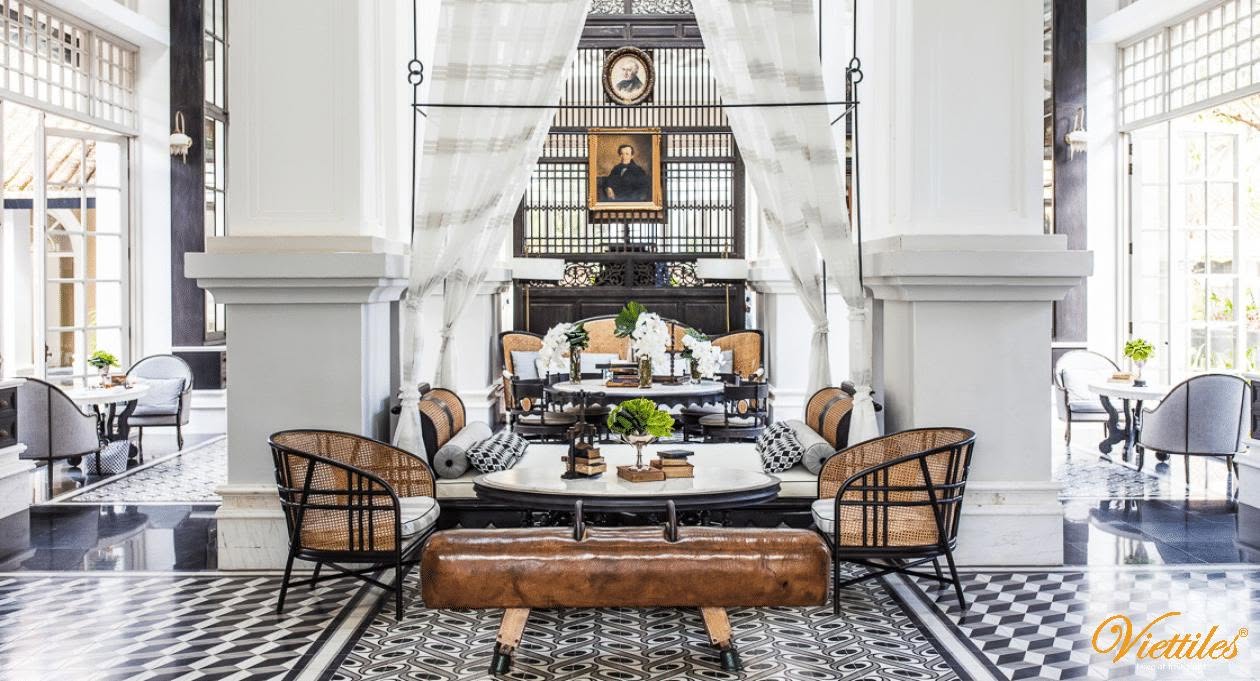
The combination of Viettiles handcrafted cement tiles and modern furniture creates a warm, visually rich atmosphere in the living room.
Why Are Cement Tiles Suitable for Living Rooms?
Beyond their artistic appeal, handcrafted cement tiles also offer practical benefits for high-traffic areas such as living rooms, thanks to several key characteristics:
-
A smooth, pleasant surface: The surface of cement tiles made through cold hydraulic pressing offers a silky texture that feels warm underfoot in winter and cool in summer.
-
Durability over time: The natural mineral pigment layer, approximately 3–4 mm thick, is integrated into the tile body, helping the patterns retain their appearance through years of everyday use.
-
Distinctive decorative possibilities: Instead of covering the entire floor with a uniform pattern, cement tiles allow you to create an elegant “tile rug” that defines areas around a coffee table or sofa.
See also: Top 15+ Beautiful Living Room Cement Tile Designs Leading the Trends in 2026
Cement Tile Designs for Different Interior Styles
Each interior design style pairs well with particular tile patterns and color palettes.
Indochine and Nostalgic Styles
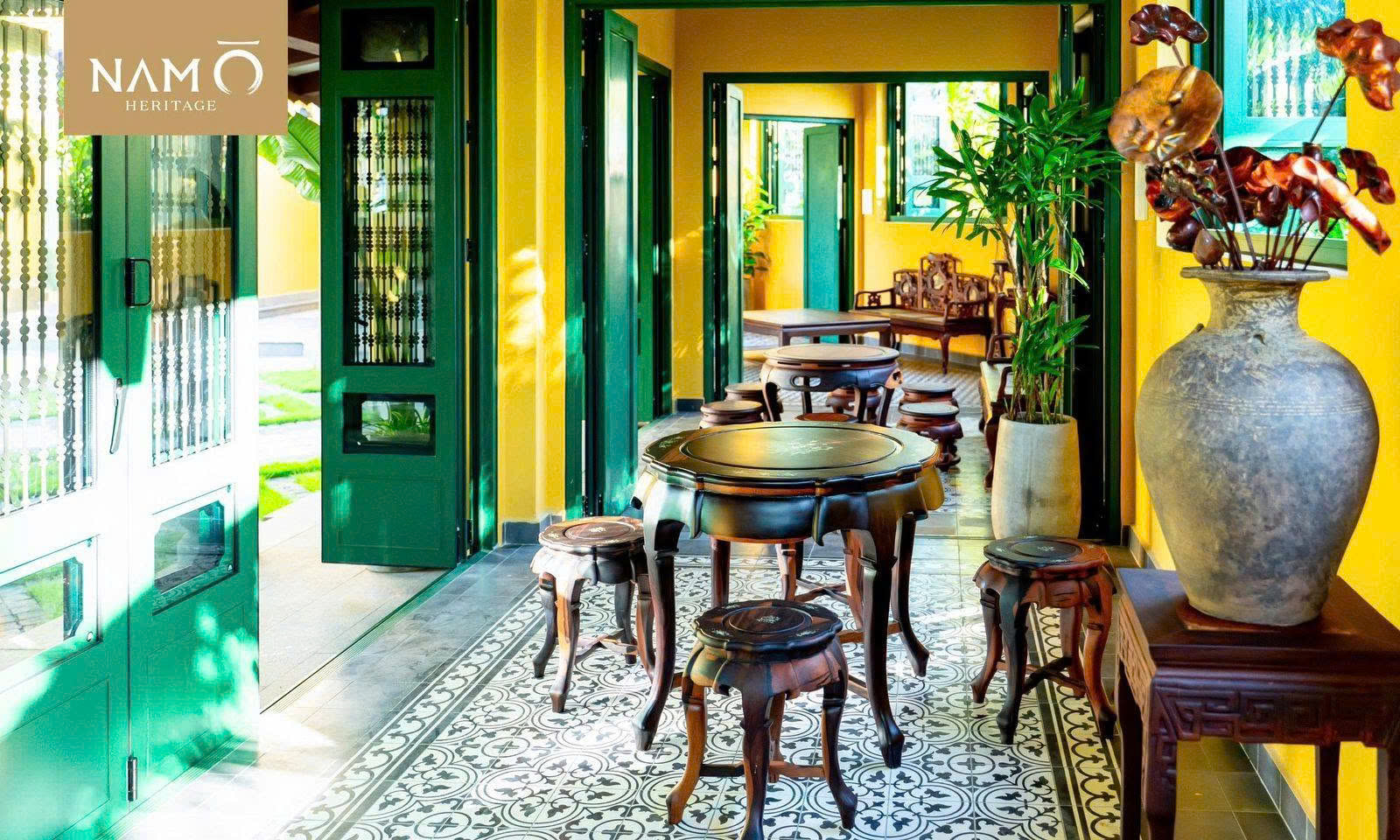
Look for apricot blossom motifs, octagonal patterns, geometric designs, and classic border details. Warm, muted colors such as mustard yellow, moss green, earthy brown, and black and white evoke the understated beauty of traditional townhouses.
Modern and Scandinavian Styles
Minimalist geometric patterns, zigzags, interlocking geometric motifs, and neutral shades such as cement gray, off-white, and black create a clean, open, and contemporary look.
Minimalist Style
Choose solid-color cement tiles or hexagonal tiles in one or two soft shades. These options introduce subtle rhythm and visual interest without overwhelming the room.
How to Coordinate Cement Tile Colors and Patterns with Furniture
A useful principle when decorating with patterned tiles is: “Let one element make a statement while the other remains understated.”
-
Create a tile rug: If you have a solid-color sofa and a minimalist wooden coffee table, turn the living room floor into a focal point with a cement tile rug featuring a complete decorative border.
-
Balance the visual effect with furniture: If the living room already contains many prominent details, such as large wall art, a well-stocked bookcase, or patterned curtains, choose tiles in understated shades such as gray or cream. Two-color designs with gentle contrast can also help prevent the space from feeling visually crowded.
-
Connect colors throughout the room: Choose at least one shade from the tile pattern that matches the wall paint, decorative cushions, or metal furniture legs. This creates a more cohesive overall look.

Coordinating cement tile colors and patterns with living room furniture.
Choosing Cement Tile Sizes for Your Living Room
| Living Room Area | Recommended Tile Sizes | Suggested Layout |
|---|---|---|
| Under 15 m² | 140 × 140 mm or 200 × 200 mm | Choose delicate patterns and light colors, or use decorative tiles selectively around the coffee table. |
| 15–30 m² | 200 × 200 mm / hexagonal tiles measuring 200 × 230 mm | Create a central tile rug with a border or cover the entire floor with a continuous pattern. |
| Over 30 m² | 200 × 200 mm or a combination of different sizes | Combine different tile sections to define functional areas, such as the living room and dining area. |
Important Considerations When Choosing and Installing Living Room Cement Tiles
-
Installation techniques: Handcrafted cement tiles have a naturally porous structure and can absorb moisture. Before installation, follow the manufacturer's instructions for preparing the tiles and use a suitable tile adhesive. A grout joint of approximately 1.5–2 mm is recommended to create a visually continuous pattern.
-
Waterproofing and surface protection: After grouting, apply 2–3 coats of a suitable penetrating sealer to help protect the tiles from stains caused by food, soft drinks, coffee, and everyday spills.
-
Routine cleaning: Use a pH-neutral floor cleaner (pH 7). Avoid strong acidic cleaning products, as they may erode the natural mineral surface.
See also: Flooring Solutions for Load-Bearing Performance and Natural Drainage in Public Infrastructure
Create a Distinctive Living Room with Viettiles
Every living room has its own character and tells a story about its homeowner. At Viettiles, we do more than supply handcrafted cement tiles—we help bring your interior design ideas to life. With a collection of hundreds of classic and contemporary patterns, Viettiles is ready to recommend customized color combinations, calculate precise tile-rug layouts, and create bespoke molds for unique patterns, helping transform your living room into a lasting work of art.
Contact Viettiles for Material Advice and Design Consultation:
-
???? Showroom: No. 17, Street 40, An Khanh Ward, Thu Duc City, Ho Chi Minh City, Vietnam
-
???? Hotline: 0906 808 012 – 0906 830 362
-
✉️ Email: info@viettiles.com
-
???? Website: www.viettiles.com
-
???? Factories: Le Minh Xuan Industrial Park, Ho Chi Minh City, and Chon Thanh, Binh Phuoc Province