Breeze Block Fences: Where Traditional and Contemporary Architectural Beauty Meet
Solid concrete boundary walls often unintentionally create a heavy, imposing appearance while obstructing natural airflow and sunlight. Meanwhile, metal fencing materials face the risk of oxidation under harsh weather conditions. As property owners seek to ensure security while enhancing landscape aesthetics, the use of breeze blocks for fences is emerging as a prominent architectural trend. This article provides a comprehensive perspective, from the aesthetic harmony between traditional and contemporary architecture to material selection criteria and installation techniques for airy, durable fences.

Where Traditional and Contemporary Beauty Meet: When Breeze Block Fences Go Beyond Conventional Boundaries
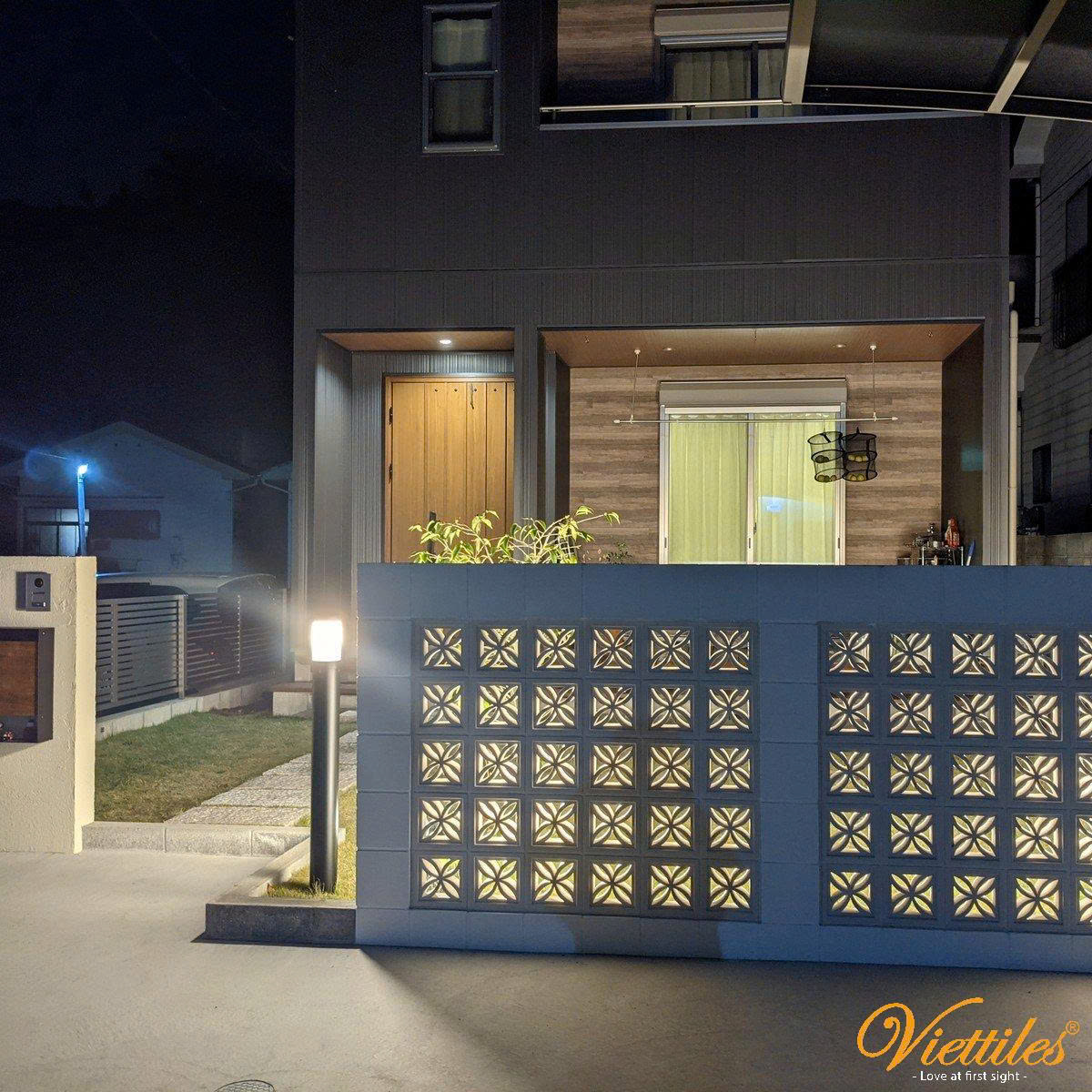
In modern architectural thinking, exterior boundaries are no longer defined solely by their function of physically separating spaces. Using breeze blocks for fences helps eliminate the heavy appearance of solid concrete structures, transforming them into lightweight, dynamic transitional screens that regulate the microclimate.
The perforated decorative walls once associated with tropical architecture of the 1960s and 1970s are now being revived with a contemporary appearance. Breeze block fence designs inspired by Indochine and Modern Tropical styles create a harmonious blend of nostalgic charm and contemporary architectural forms. Each block serves as an artistic link connecting private living spaces with the vibrant rhythm of urban life beyond.
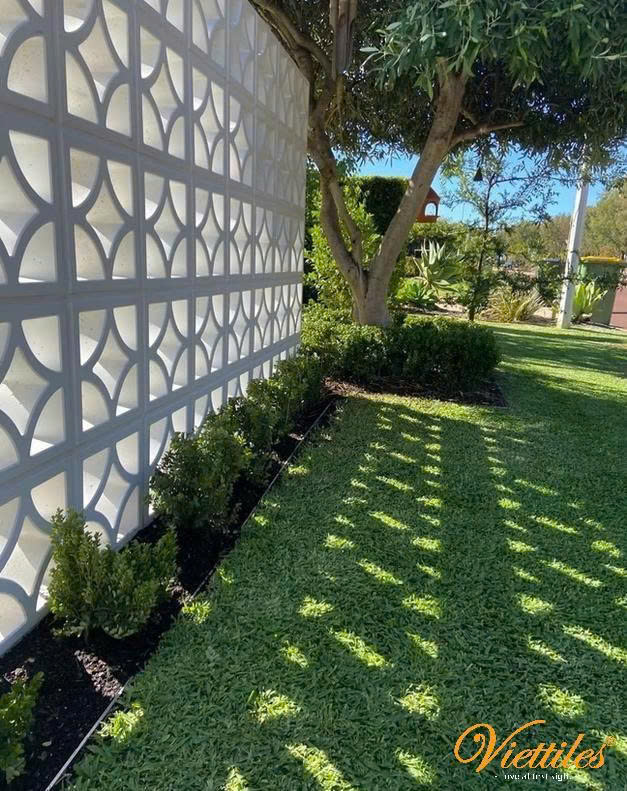
The distinctive appeal of this solution lies in the art of sculpting light and shadows, which continuously change throughout the day. As sunlight passes through the openings, rhythmic decorative patterns appear across garden surfaces, creating a dynamic visual composition that traditional solid walls cannot achieve.

Comparing Cement Breeze Block Fences with Solid Walls and Metal Fences
To help property owners make informed decisions when using breeze blocks for fences, the following table summarizes the key technical characteristics of three popular exterior fencing solutions:
|
Evaluation Criteria |
Cement Breeze Block Fences |
Solid Masonry Walls |
Iron/Metal Fences |
|---|---|---|---|
|
Air circulation |
Continuous natural airflow 24/7, reducing wind pressure during storms. |
Completely blocks airflow and may contribute to heat accumulation during summer. |
Provides good ventilation but offers little protection from sunlight. |
|
Weather resistance |
Durable hydraulic-pressed concrete, resistant to rust and exposure to sunlight and rain. |
Structurally durable but susceptible to hairline cracks and mold stains on plastered surfaces. |
Susceptible to oxidation, rust, and peeling exterior paint. |
|
Privacy & aesthetics |
Parallax effects obstruct oblique viewing angles, while decorative patterns provide artistic appeal. |
Provides complete privacy but has a monotonous, rigid appearance. |
Widely spaced bars allow direct visibility and require regular maintenance. |
Regarding security, many homeowners are concerned that perforated blocks may compromise protection. However, using security-oriented breeze blocks for boundary fences can provide effective protection thanks to their thick structural walls and concealed steel reinforcement systems. In particular, the parallax effect allows occupants to observe the surroundings, while passersby viewing from oblique angles see only alternating solid and open decorative patterns, preserving privacy within the living space.
Criteria for Selecting Durable and Attractive Exterior Breeze Blocks Based on Architectural Style
Selecting durable and aesthetically pleasing exterior breeze blocks should be based on the overall architectural language of the project, landscape colors, and actual climatic conditions at the installation site.
White Breeze Blocks for Fences: Elegance for Modern and Mediterranean Architecture
White breeze blocks for boundary walls are manufactured using white cement and carefully selected natural stone powder. Their elegant white tones provide good heat reflection while enhancing the refined appearance of Mediterranean, Scandinavian, and Modern Minimalist architecture. When combined with lush greenery and tropical sunlight, white breeze block fences create a bright, lightweight façade accent.
Natural Gray Cement Breeze Blocks: Rustic Beauty for Rustic and Nostalgic Architecture
Natural gray cement breeze blocks preserve the authentic tones of raw concrete, making them suitable for Modern Rustic architecture, Indochine styles, and eco-resort environments. Their outstanding advantages include natural color durability and the ability to conceal accumulated dust and dirt after prolonged outdoor exposure, bringing nostalgic depth and a sense of understated solidity to exterior spaces.

Breeze Block Fence Installation Techniques for Structural Stability, Crack Prevention, and Mold Resistance
Unlike interior partition walls, boundary fences are directly exposed to strong winds, storms, and environmental moisture. Therefore, installation teams must strictly adhere to appropriate technical procedures.
Steel Reinforcement and Concrete Tie Beam Requirements for Resistance to Strong Winds and Storms
When constructing breeze block fences, installers should position 6 mm steel reinforcement bars directly anchored to concrete columns at intervals of one to two block courses. Standard breeze blocks typically feature recessed edge grooves that allow steel reinforcement to be concealed within mortar joints.
For wall sections exceeding 2.5 m in height or 3 m in length, additional support columns and reinforced concrete tie beams must be incorporated to distribute structural loads and prevent cracking or failure caused by wind-induced movement.
Specialized Exterior Waterproofing Techniques to Prevent Moss and Mold Growth
Non-fired cement materials naturally possess capillary porosity. Therefore, when installing outdoor breeze block fences, a specialized penetrating waterproofing solution should be applied after completing the masonry work and allowing the mortar joints to dry thoroughly for 7–10 days.
This protective coating penetrates deeply into the porous structure of the blocks, preventing rainwater infiltration while maintaining natural moisture vapor transmission. It helps minimize moss and algae growth and preserves the original color of the material.

Viettiles – Handmade Breeze Block Fencing Solutions Meeting International Quality Standards
With more than 20 years of experience in handcrafted decorative materials, Viettiles has established a strong position in the construction materials industry. Featuring a collection of more than 100 exclusive breeze block designs with diverse decorative patterns, the brand offers flexible solutions ranging from classical details to contemporary abstract forms.
Each non-fired, hydraulic-pressed breeze block from Viettiles is manufactured using high-pressure hydraulic compression, ensuring precise edges, crisp decorative details, and high flexural strength in accordance with testing standards. The manufacturing process is certified under the ISO 9001 quality management system and is 100% non-fired, contributing to environmentally friendly and sustainable construction practices.
With three manufacturing facilities in Ho Chi Minh City and Binh Phuoc, a combined production capacity of 60,000 m² per month, and a team of more than 400 skilled artisans, Viettiles ensures consistent supply schedules for major domestic projects and exports to more than 64 countries. Its products have been featured in prestigious developments such as Vinpearl Phu Quoc, The Annam Bai Dai, Starbucks coffee chains, and international resorts.

Frequently Asked Questions About Breeze Block Fences
Do Breeze Block Fences Provide Adequate Security and Protection Against Intrusion?
Breeze block fences provide good security when installed correctly. Steel reinforcement bars anchored into recessed block grooves, combined with a sturdy concrete tie beam framework, create a solid interconnected structure that helps deter climbing and external demolition attempts.
How Are Viettiles Breeze Blocks Manufactured? Are They Kiln-Fired?
The products are shaped using specialized molds and high-pressure hydraulic compression, followed by natural curing without kiln firing. This 100% non-fired manufacturing method provides high flexural strength, preserves crisp decorative details, and supports environmentally friendly construction.
Does Viettiles Have Sufficient Production Capacity and Design Variety for Large-Scale Projects?
With three manufacturing facilities achieving a combined production capacity of approximately 60,000 m² per month and more than 100 exclusive designs, Viettiles is committed to ensuring consistent supply schedules for large-scale projects in 2026 while offering custom mold manufacturing services based on individual designs.
Choosing breeze blocks for fences offers a balanced solution that combines security, microclimate regulation, and architectural aesthetics. Contact Viettiles today at 0906 830 362 or visit our showroom at No. 17, Street 40, An Khanh Ward, Thu Duc City, for design consultation, sample block layouts, and the most suitable quotation for your project!
VIETTILES – The Art of Handmade Cement Tiles & Breeze Blocks
-
Showroom: No. 17, Street 40, An Khanh Ward, Thu Duc City, Ho Chi Minh City
-
Factories: Le Minh Xuan Industrial Park (Binh Chanh, Ho Chi Minh City) & Chon Thanh (Binh Phuoc)
-
Hotline/Zalo: 0906 830 362 – 0906 808 012
-
Email: info@viettiles.com
-
Website: www.viettiles.com