How to Create a Naturally Cool Living Space Without Air Conditioning
Many people believe that to keep a house cool, air conditioning is necessary. However, in reality, there are homes that rarely need to use AC yet still remain comfortable all the time. The difference does not lie in equipment, but in how the space is organized. When wind and natural light are properly guided, a home naturally becomes airy, cool, and much more pleasant to live in.
Why Is Your House Still Hot Even with Air Conditioning?
Many homes today become even hotter when they are sealed too tightly. The air conditioner runs continuously, yet the air still feels stuffy and uncomfortable. The main reason is poor air circulation. Without proper airflow in and out, heat becomes trapped inside. In this case, air conditioning only provides temporary cooling instead of solving the root cause.
Principles of Creating a Naturally Cool Living Space
To reduce dependence on air conditioning, three key elements must be understood: air, light, and materials.
First is air. A space needs clear entry and exit points for ventilation. If there is only one window or the layout is too closed, air cannot circulate properly. In contrast, when a continuous airflow path is created, the indoor environment is constantly refreshed.
Second is natural light. Natural lighting helps keep spaces dry, reduces humidity, and makes areas feel more spacious. However, light direction and intensity must be controlled to avoid excessive heat. Light-filtering solutions are very effective in this case.
Finally, materials matter. Completely solid walls tend to trap heat and create a stuffy environment. Using breathable materials that allow air and light to pass through helps naturally balance temperature.
Breeze Blocks – A Simple Yet Effective Solution
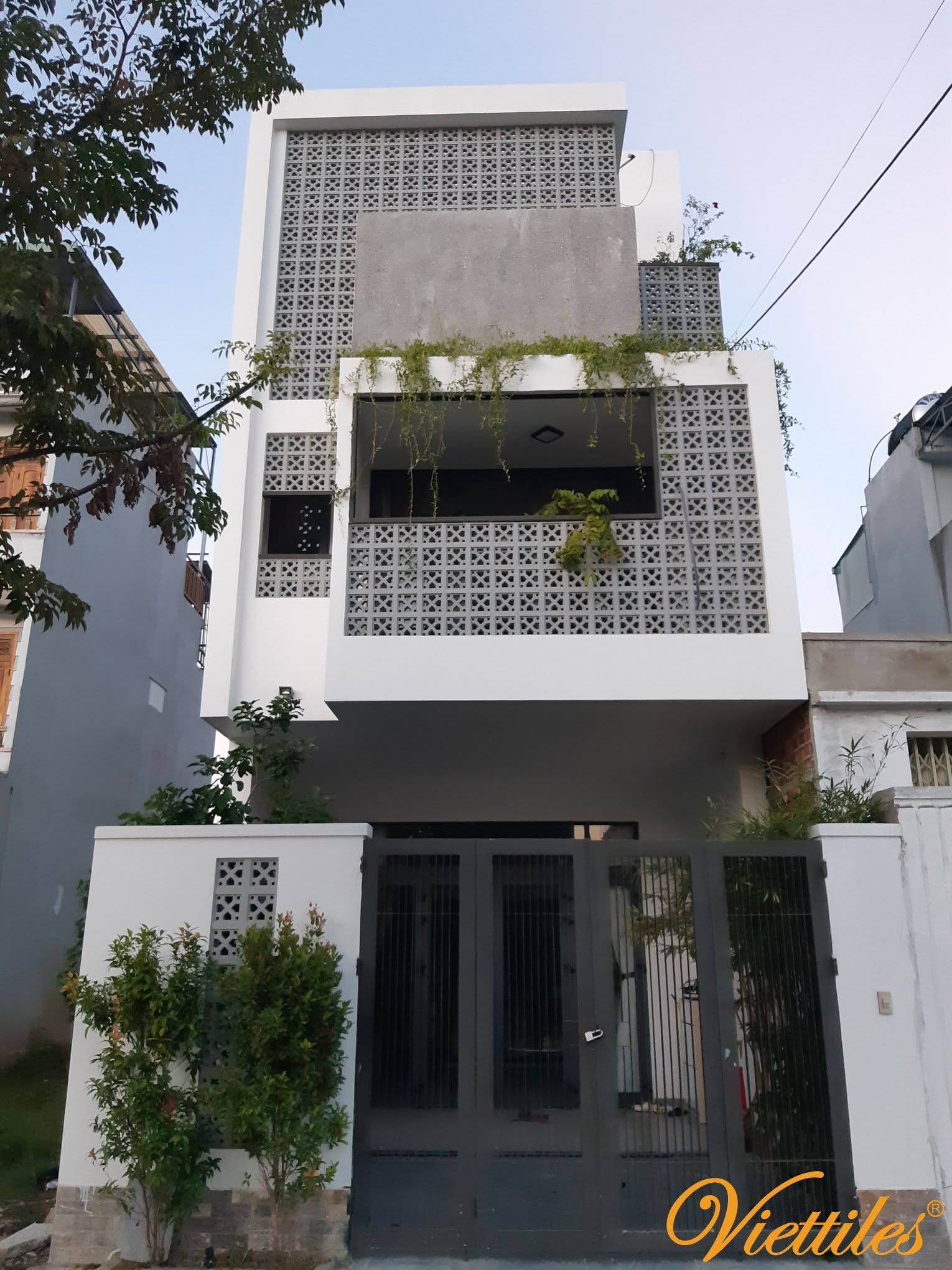
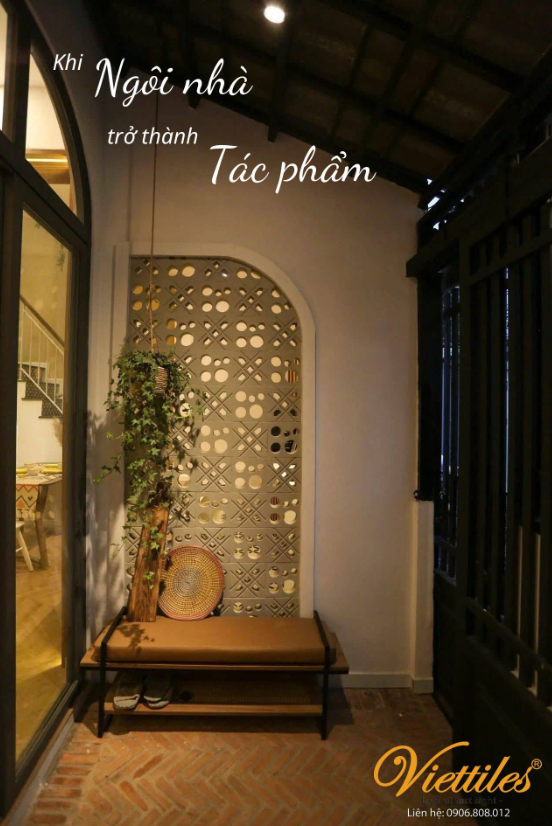
Among modern solutions, breeze blocks are considered both highly functional and aesthetically valuable. Instead of building solid walls, using Viettiles breeze blocks creates controlled openings. Air can circulate continuously while natural light gently enters the space.
A special feature of breeze blocks is that they maintain privacy while still ensuring ventilation. This is something many other materials cannot achieve at the same time.
Real Applications in Living Spaces
Breeze blocks can be used flexibly in many areas.
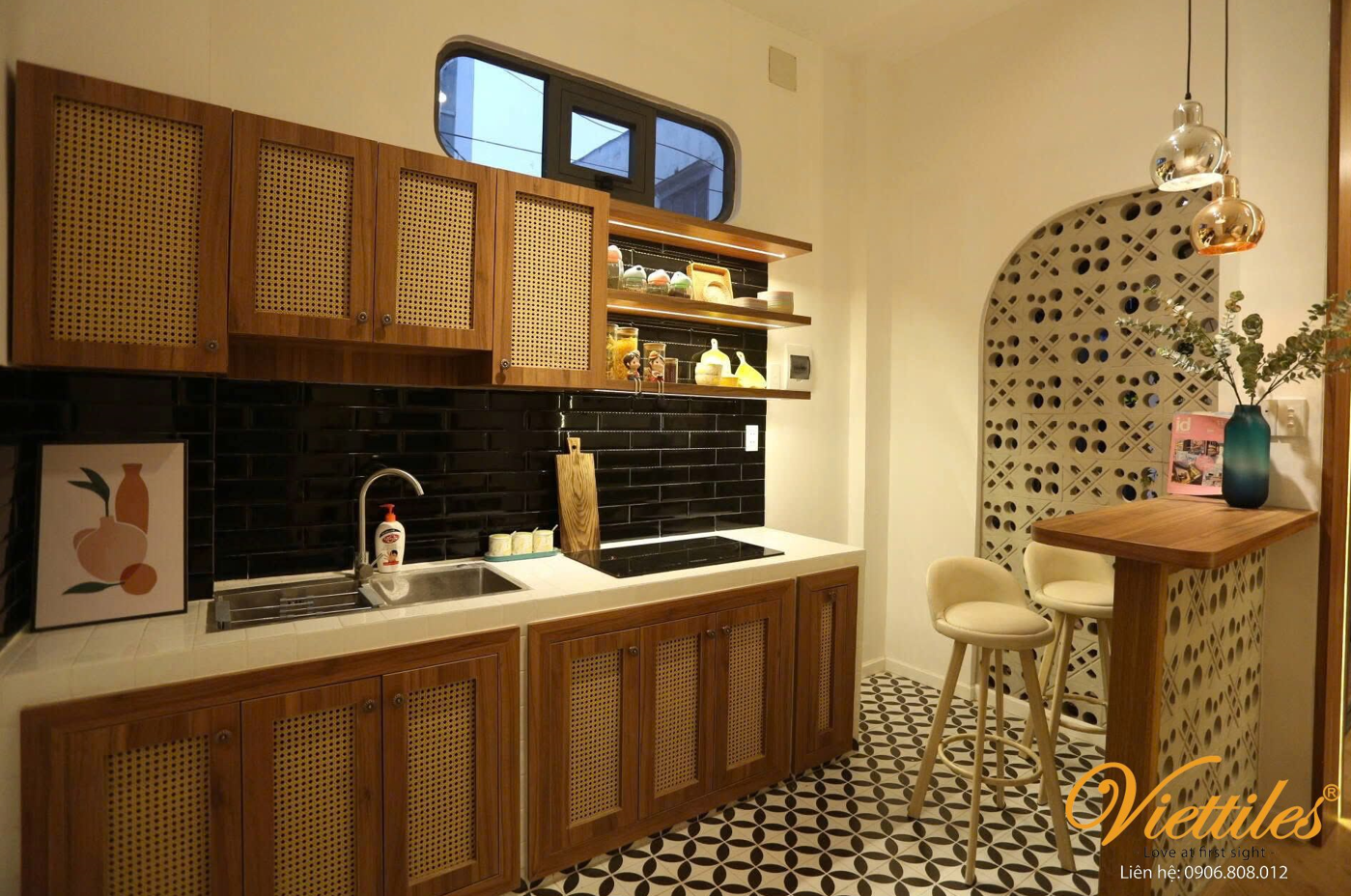
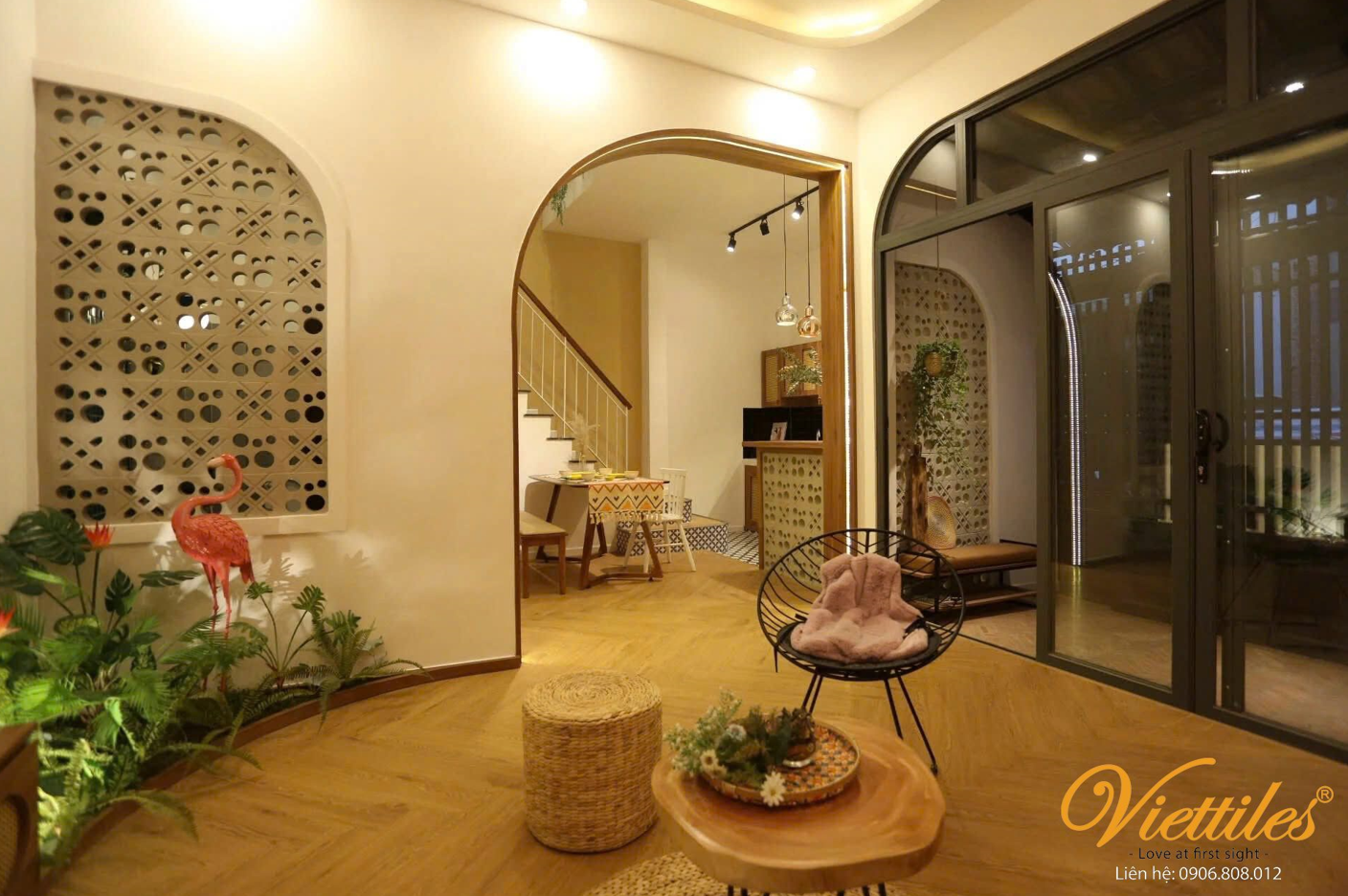
In the living room, they create visual highlights through dynamic light and shadow effects. In the kitchen, they help reduce odors and improve heat ventilation. When used in facades or skylights, they reduce direct heat from outside while improving air circulation.
They are also an intelligent choice for partition walls. Spaces remain clearly divided but not fully enclosed, maintaining openness and connectivity.
Benefits of Designing a Home Without Air Conditioning
A properly designed space brings long-term benefits. First, it significantly reduces electricity costs. More importantly, natural air is much healthier than constant air conditioning use. Most importantly, it provides a real sense of comfort that no mechanical cooling system can fully replace.
Viettiles – A Solution for Breathable and Meaningful Living Spaces
Viettiles does not only provide breeze blocks but also aims to create better-quality living environments. Each design is developed to ensure both ventilation performance and aesthetic value. When applied correctly, breeze blocks not only cool down the house but also add depth and emotional value to the space.
Conclusion
A cool and comfortable home does not come from using more devices, but from understanding and utilizing natural elements correctly. When air flows freely, light is controlled properly, and materials are chosen wisely, living spaces become naturally comfortable and sustainable.
If you are looking for a solution that is both beautiful and effective, breeze blocks are definitely worth considering. Sometimes, changing just one wall is enough to transform the entire feeling of a home.