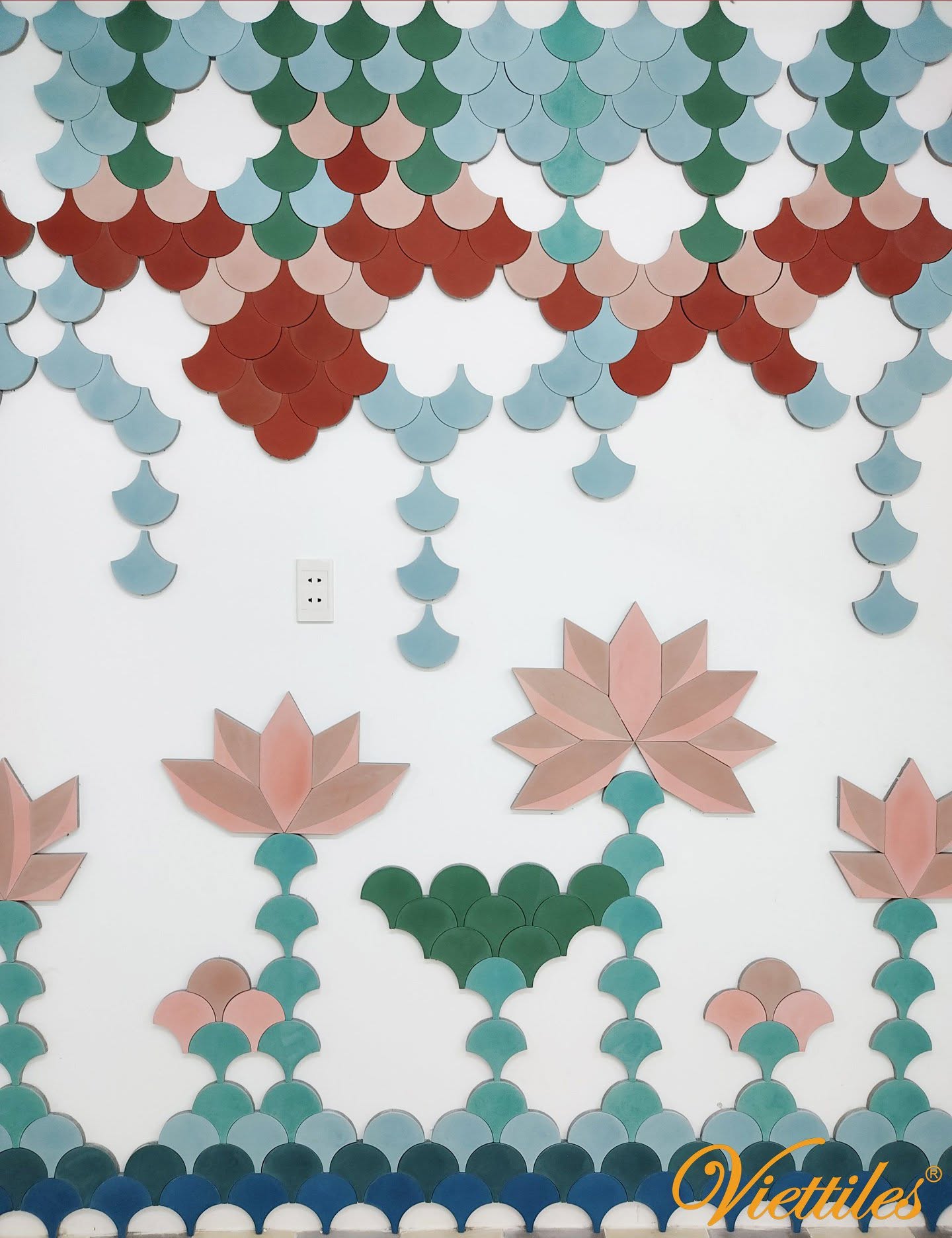
Materials that help keep homes naturally cool without relying on air conditioning
There are homes that instantly feel comfortable even in the middle of a hot summer afternoon.
The air feels lighter, the light softer, and the temperature naturally gentler. Interestingly, that feeling does not always come from air conditioning or modern technology, but from the way materials are chosen for the home.
In modern architecture, the trend of “passive cooling” is becoming increasingly important. Instead of relying entirely on air conditioning, many projects now prioritize materials that reduce heat, improve ventilation, and reconnect spaces with nature.
Beyond energy savings, these materials also make spaces feel more emotional and alive.
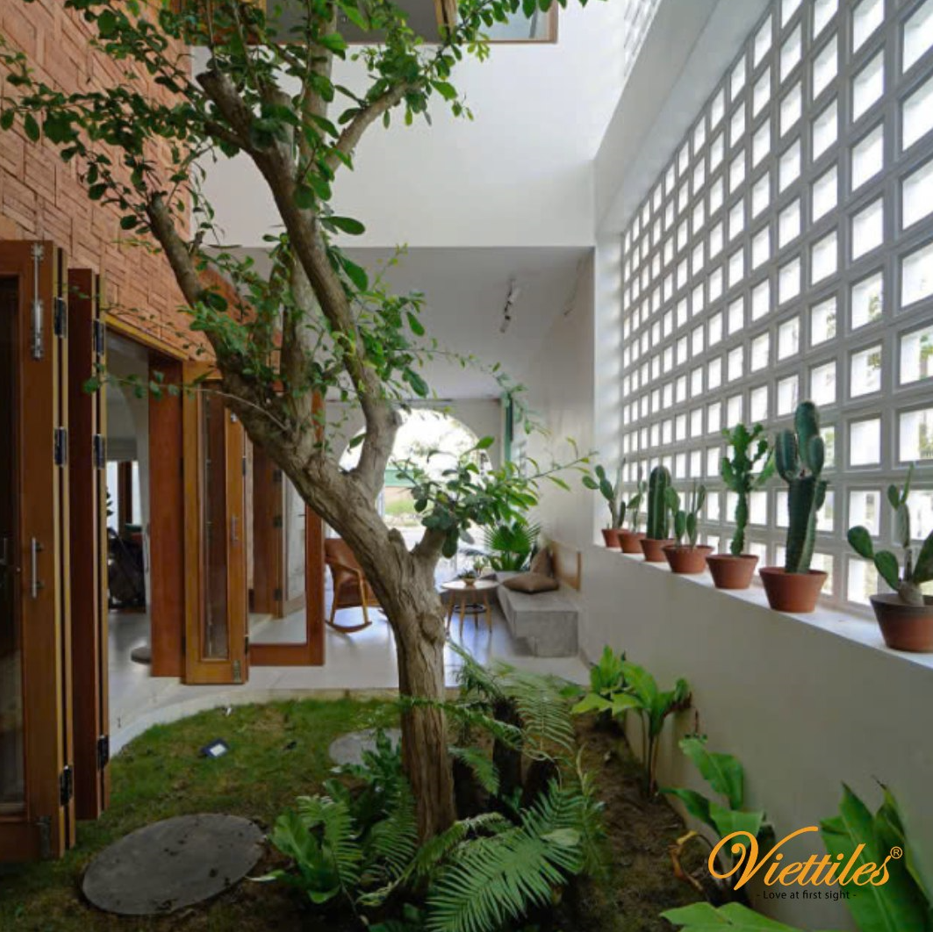
Why are modern homes becoming hotter?
Many modern houses use:
• Large glass surfaces
• Closed concrete walls
• Heat-absorbing materials
• Poor airflow and ventilation
This causes heat to accumulate more easily, especially in crowded urban areas.
Many people have to keep air conditioners running almost all day to maintain comfort. However, this also leads to:
• Higher electricity costs
• Stuffy indoor air
• Less connection with the natural environment
That is why modern architects are returning to “natural cooling” solutions through materials and design.
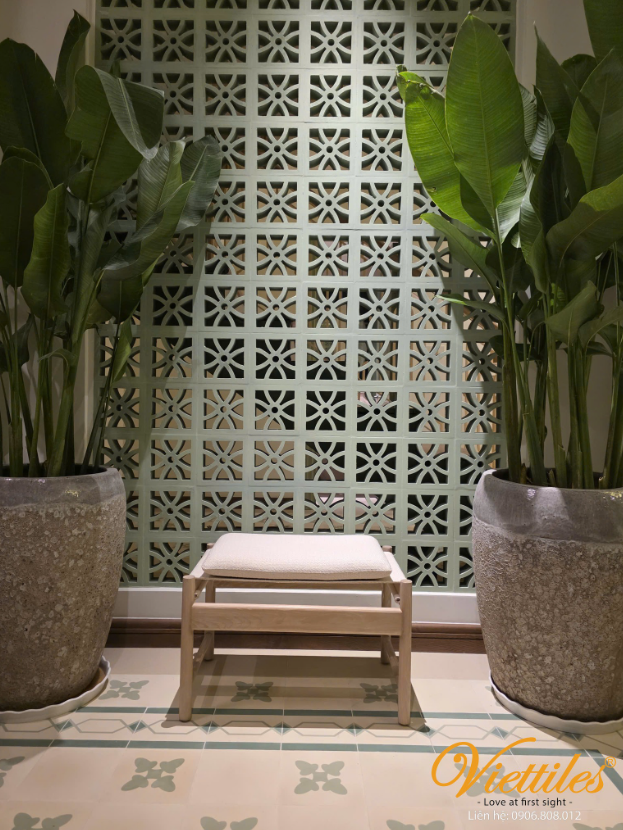
Breeze blocks – materials that help spaces “breathe”
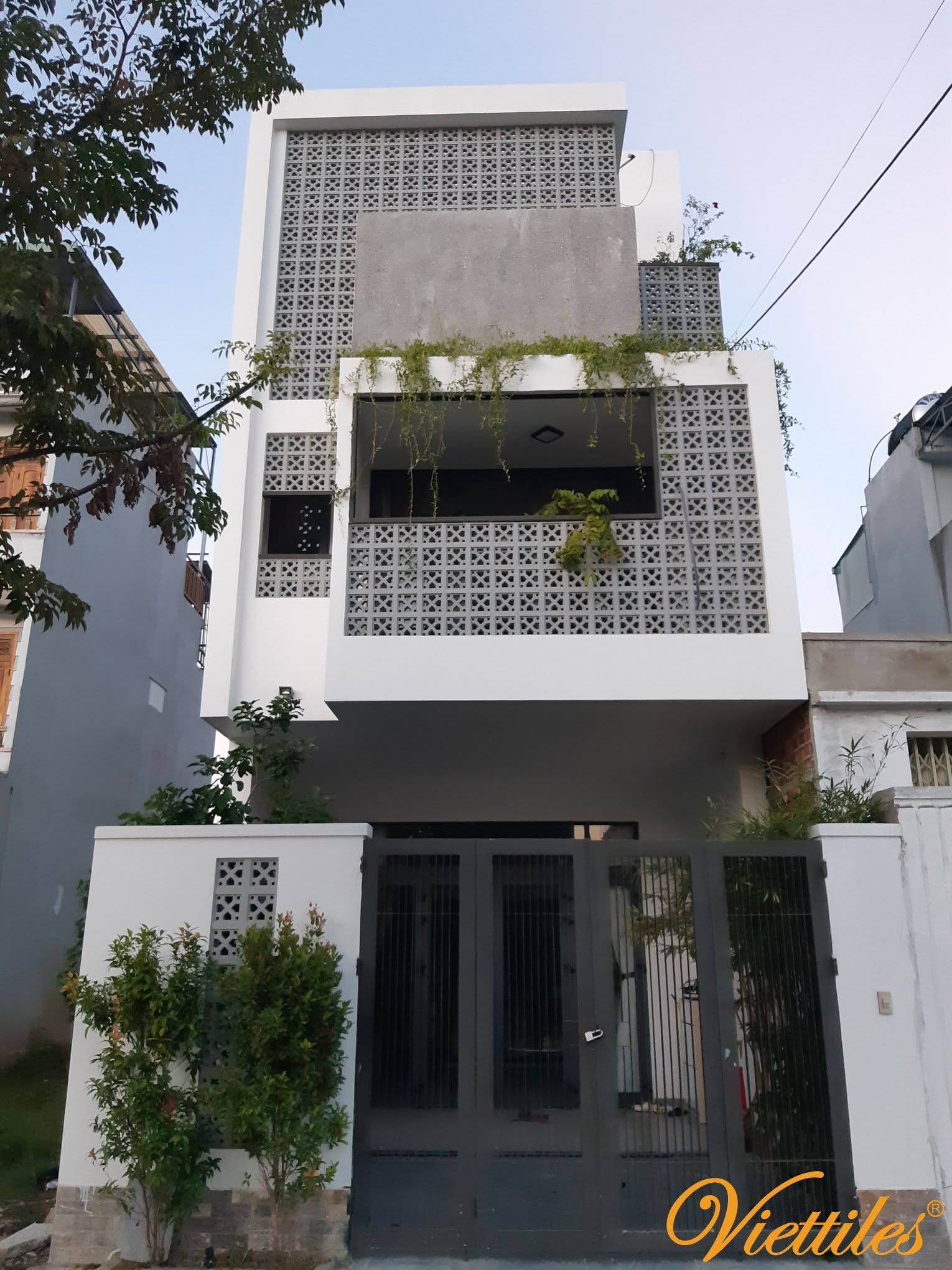
In many tropical buildings, breeze blocks are making a strong comeback.
Besides their aesthetic value, these blocks also help:
• Capture natural airflow
• Reduce stuffiness
• Filter sunlight
• Create artistic shadow effects
When sunlight passes through patterned blocks, it creates unique layers of light and shadow - something highly appreciated in cafés, resorts, and homestays today.
More importantly, breeze blocks allow continuous airflow, naturally reducing indoor heat.
They are both beautiful and practical solutions for:
• Townhouses
• Skylight areas
• West-facing façades
• Balconies
• Staircase spaces
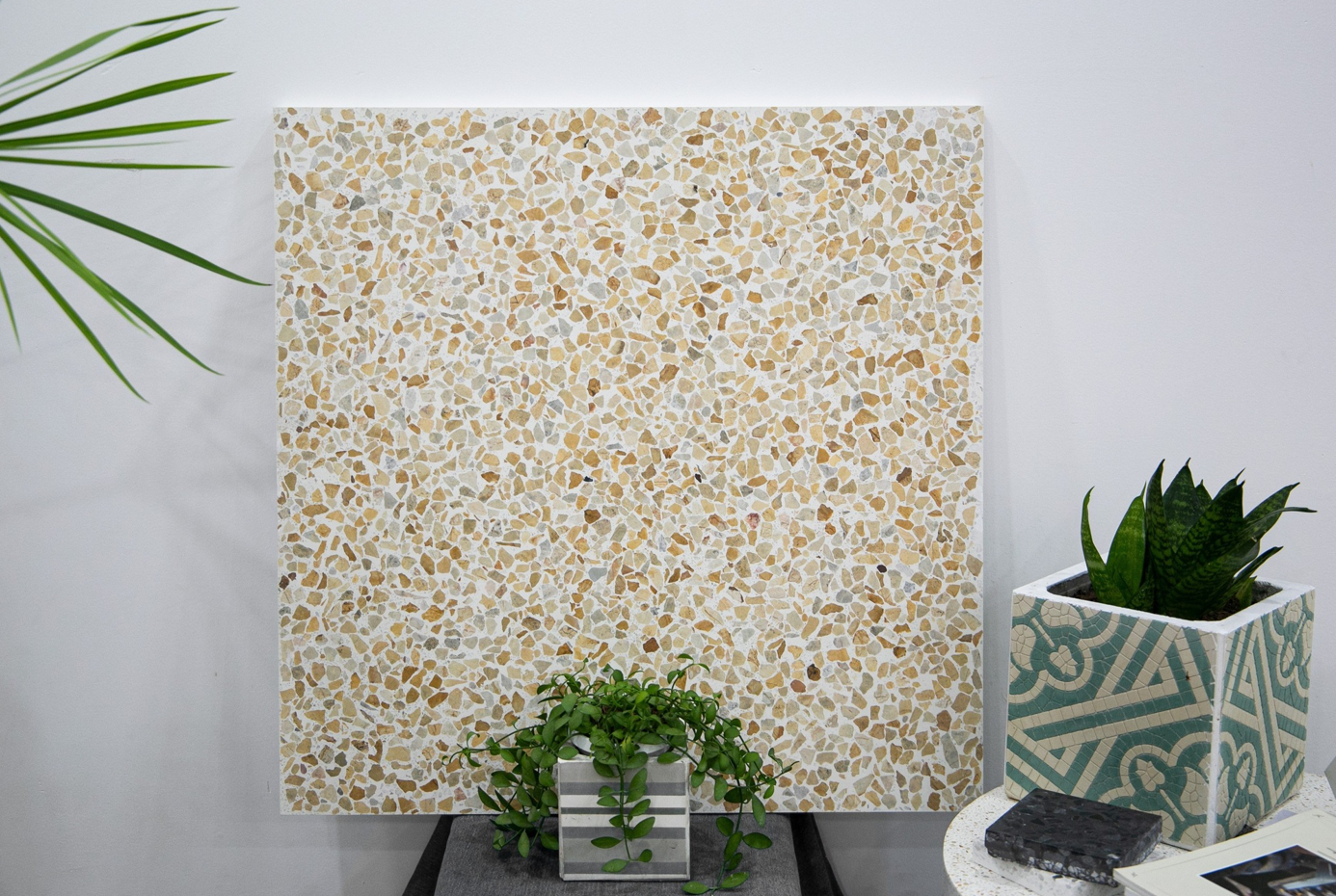
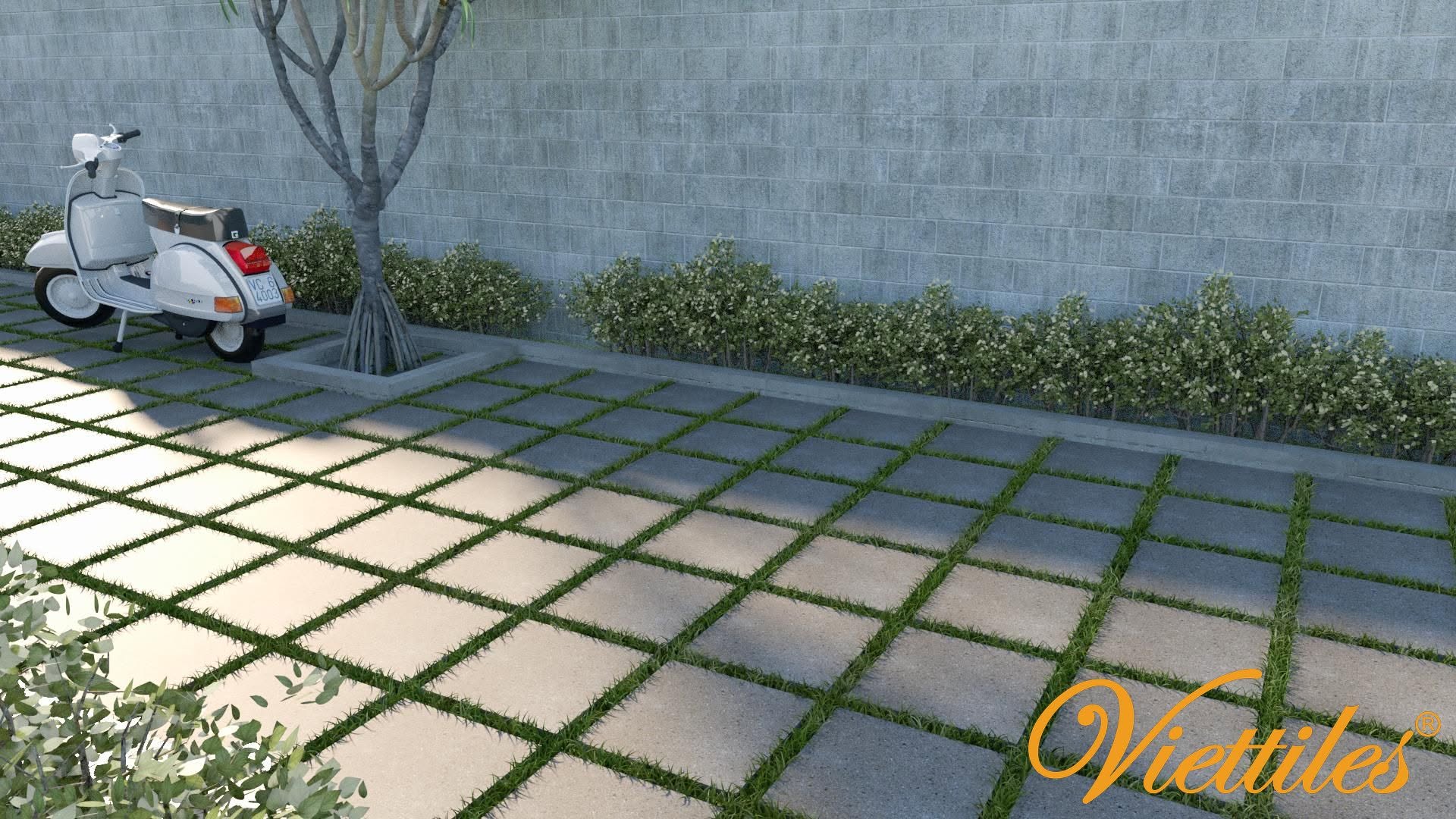
Natural stone and raw materials help reduce heat absorption
Materials such as:
• Polished concrete stone
• Raw cement
• Natural stone
• Terrazzo tiles
often create a cooler feeling compared to glossy or highly heat-absorbing surfaces.
Besides maintaining stable temperatures, these materials also bring a softer and more natural atmosphere to living spaces.
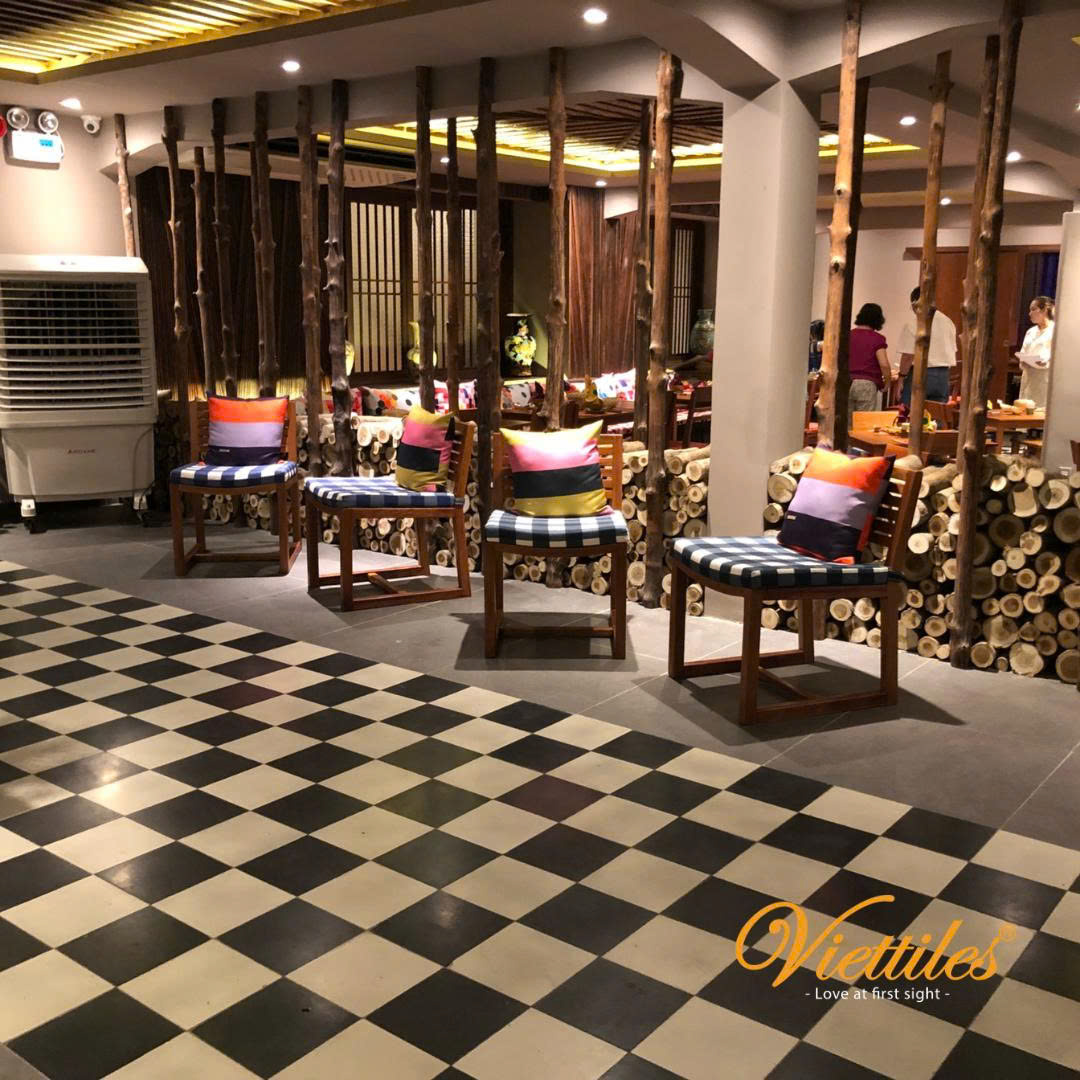
That is why many tropical, wabi-sabi, and resort-style projects prioritize raw materials instead of overly polished finishes.
Wood and bamboo make spaces softer and calmer
In Asian architecture, bamboo and wood have always represented relaxation and warmth.
Although they do not directly lower temperatures, they help by:
• Making spaces feel less rigid
• Softening the lighting
• Creating more visual comfort
When combined with greenery and natural ventilation, these materials create a home that truly feels alive and breathable.
This is also the spirit of many modern cafés and resorts: simple, yet inviting enough to make people want to stay longer.
Greenery and water remain effective natural cooling elements
Many people think plants are only decorative, but they are actually an essential part of heat-resistant architecture.
Plants help:
• Reduce heat radiation
• Filter the air
• Create shade
• Soften the visual atmosphere
Meanwhile, small water features such as ponds or mini landscapes help cool the air through natural evaporation.
When combined with well-ventilated materials, homes can feel naturally cooler without depending too much on air conditioning.
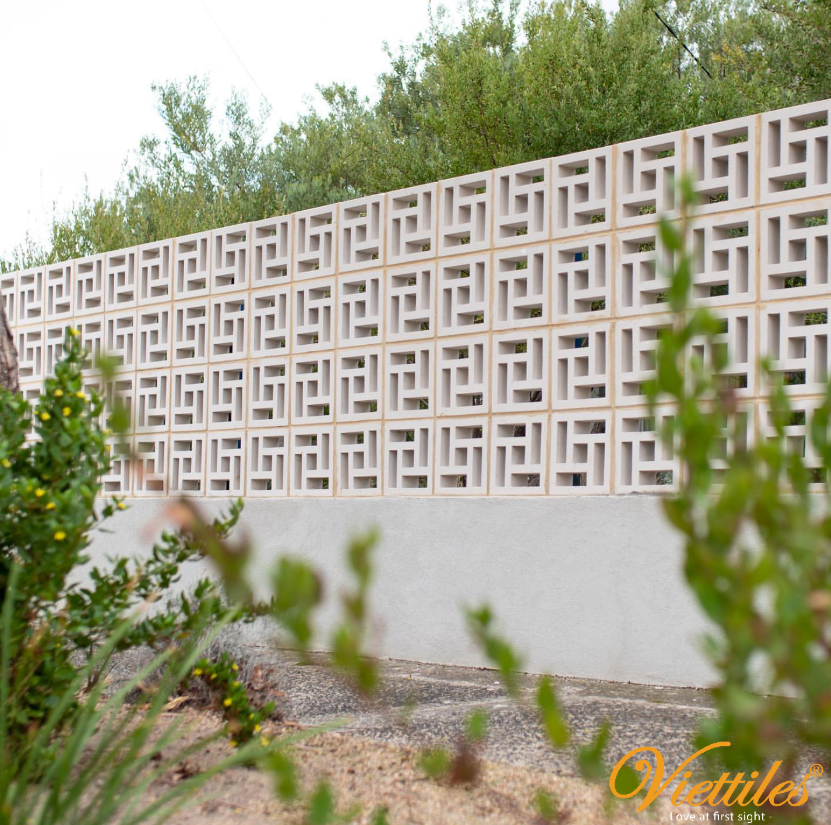
Viettiles and the trend of “naturally cool” architectural materials
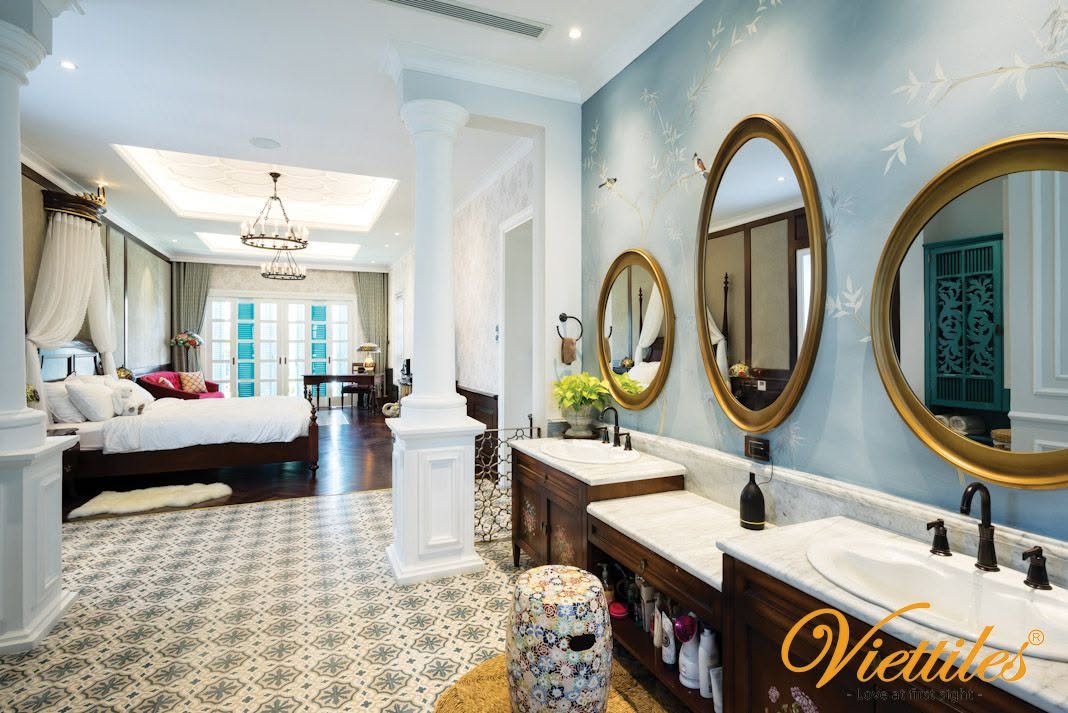
Within the modern tropical architecture trend, Viettiles is one of the brands focusing on breeze blocks, terrazzo tiles, and artistic tiles that not only enhance aesthetics but also improve ventilation.
Viettiles breeze block designs help:
• Increase airflow
• Maximize natural lighting
• Reduce stuffiness in townhouses
What makes them interesting is that many products still preserve traditional handcrafted spirit while integrating modern production technology for durability and practical application.
In addition, the non-fired production process aligns well with today’s sustainable material trends, as more projects are focusing on environmental impact and energy efficiency.
A cool home is not only about temperature
In reality, comfort in a space is not only about heat or cold.
Sometimes, it comes from:
• Balanced natural lighting
• Airflow moving freely
• Materials that feel visually calming
• Spaces with room to breathe
Homes designed with natural cooling principles often feel far more peaceful than spaces that remain closed off and fully dependent on air conditioning.
And perhaps that is exactly what modern architecture is rediscovering: the natural connection between people, light, wind, and living materials.