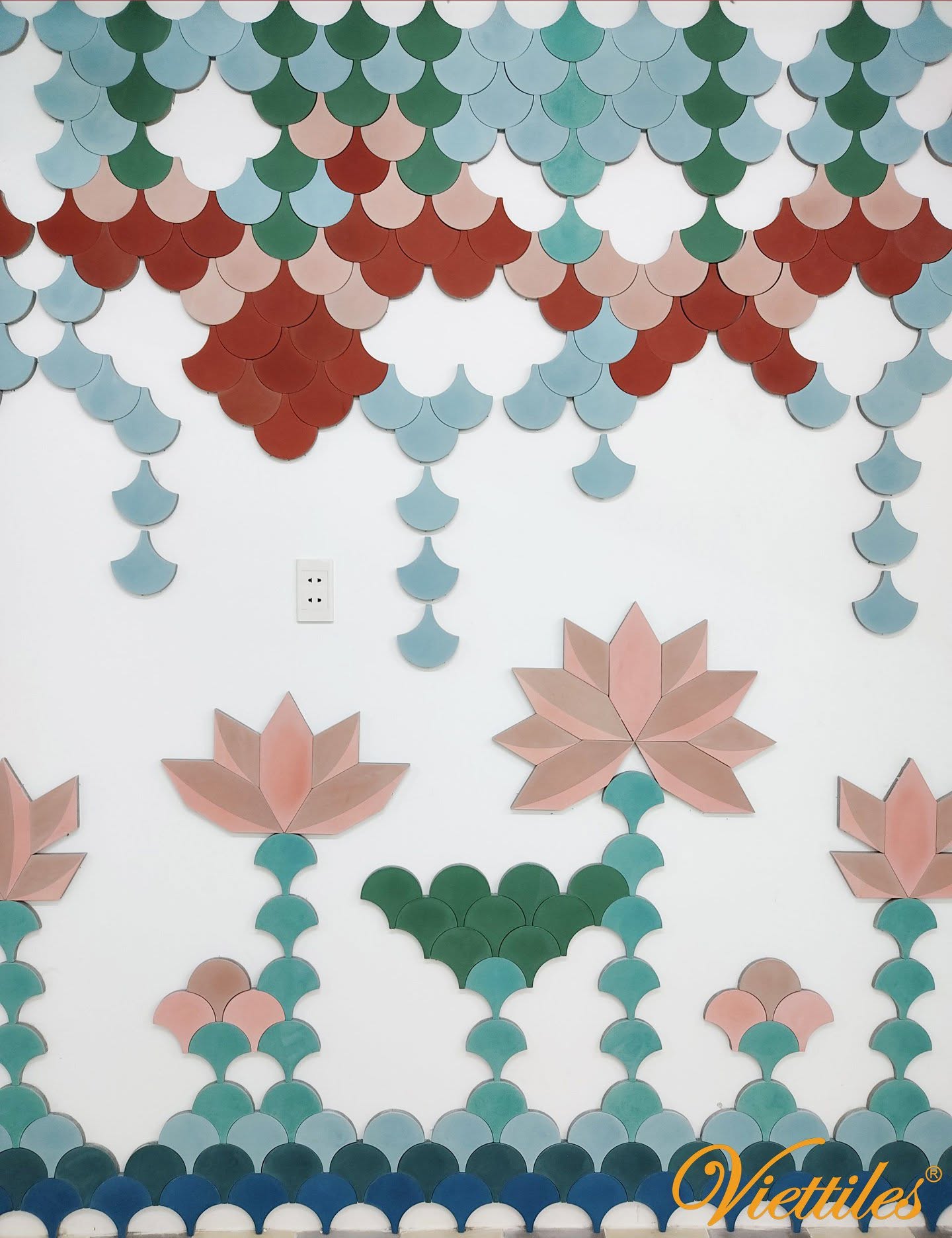
Why do many cafés and luxury resorts prefer handmade tiles instead of industrial tiles?
There are spaces that instantly feel emotional the moment you step inside.
Not because of expensive interiors or elaborate decoration. Sometimes, that feeling comes from sunlight filtering through patterned blocks, the slightly raw texture of materials, or details that are not perfectly identical yet create a uniquely harmonious atmosphere.
That is why more and more cafés, resorts, homestays, and high-end architectural projects prefer handmade tiles over mass-produced industrial tiles.
More than just a construction material, handmade tiles are gradually becoming part of the “design language” in modern architecture.
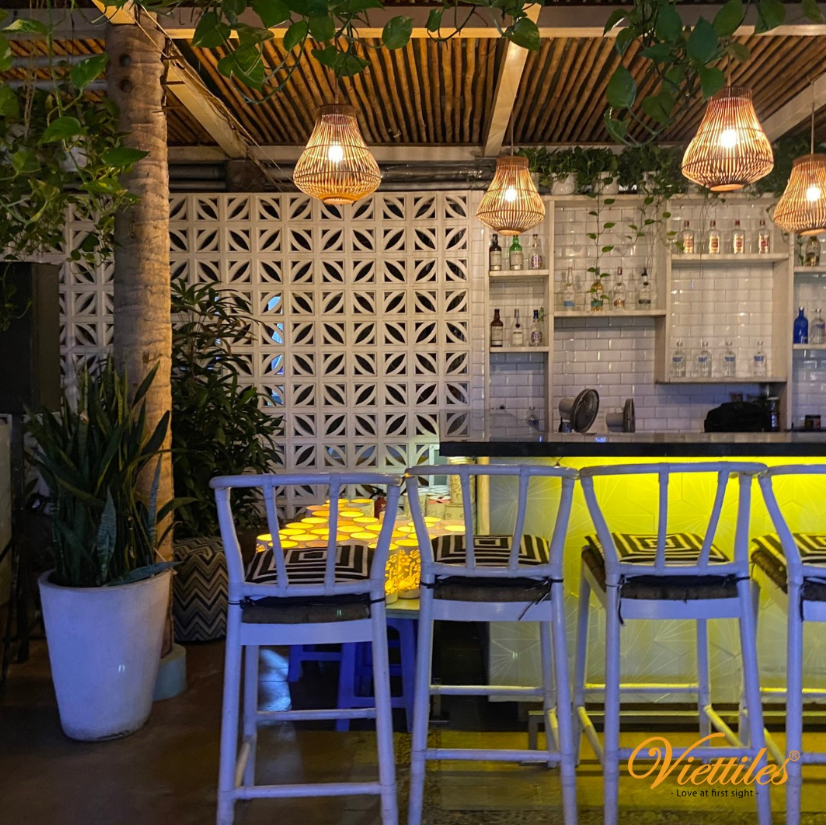
When a space is meant not only to be used, but also to be felt
Today, a beautiful café is not only about being “Instagram-worthy”.
Customers increasingly love places that feel relaxing, close to nature, and full of character. The same applies to resorts and luxury hospitality projects.
In this context, handmade materials are appreciated because they create a more authentic and deeper feeling compared to the overly perfect surfaces of industrial materials.
Each handmade tile often features:
• Unique sharpness and detailing
• Naturally deep and rich colors
• A handcrafted texture instead of complete uniformity
• More beautiful light and shadow effects
These intentionally “imperfect” details are what make a space more artistic and emotionally engaging.
Handmade tiles give projects their own personality
Many cafés today pursue styles such as:
• Tropical
• Wabi-sabi
• Indochine
• Rustic
• Natural Minimalism
These styles all emphasize raw materials, natural light, and a warm sense of connection.
Handmade tiles fit perfectly with these concepts.
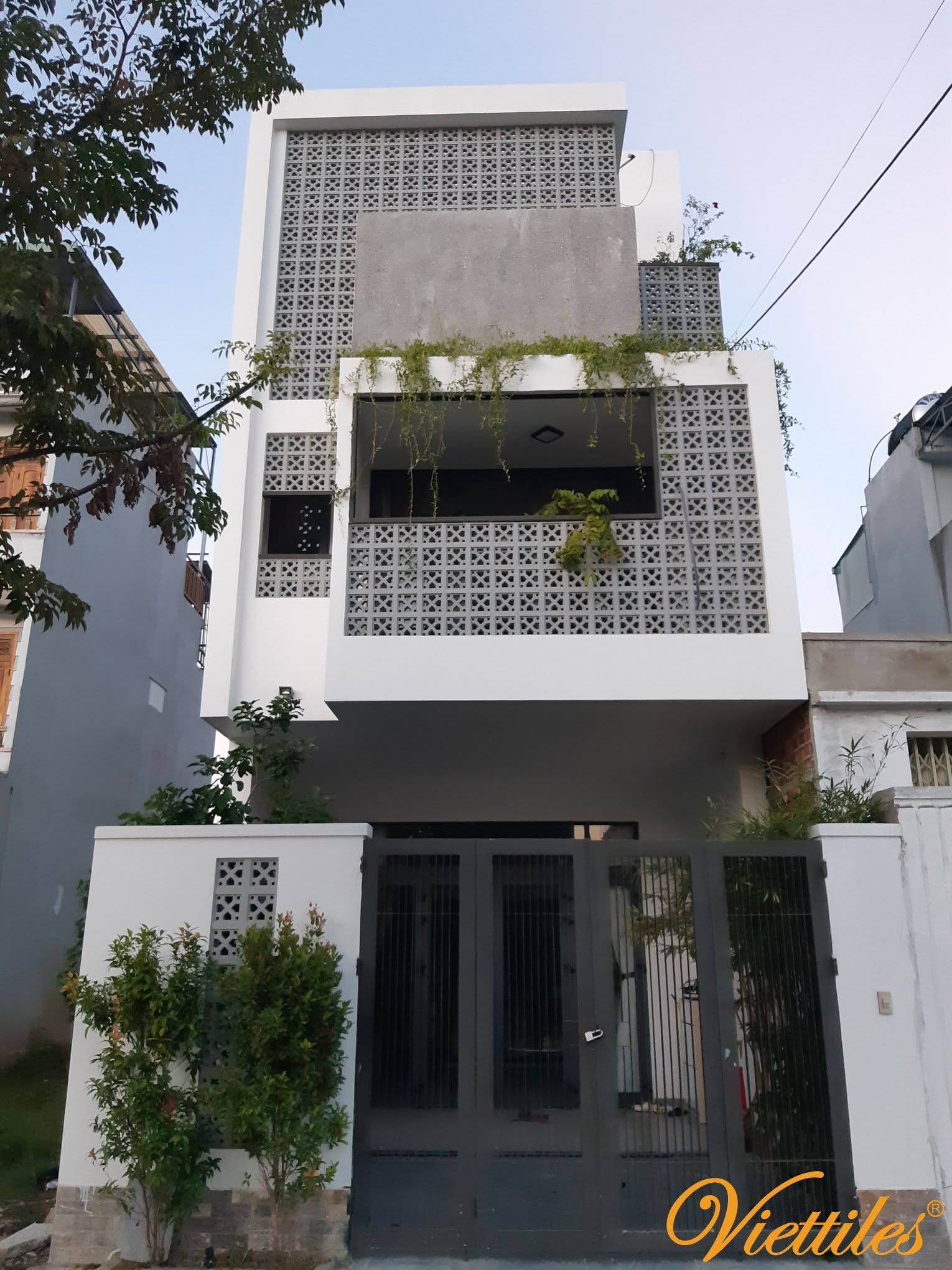
Especially with breeze blocks and artistic tiles, the material is not only functional but also becomes part of the design itself:
• Creating façade highlights
• Softly dividing spaces
• Bringing in natural light
• Producing beautiful lighting effects throughout the day
Many architects even describe them as “breathing materials” because they help buildings stay airy and connected to the surrounding environment.
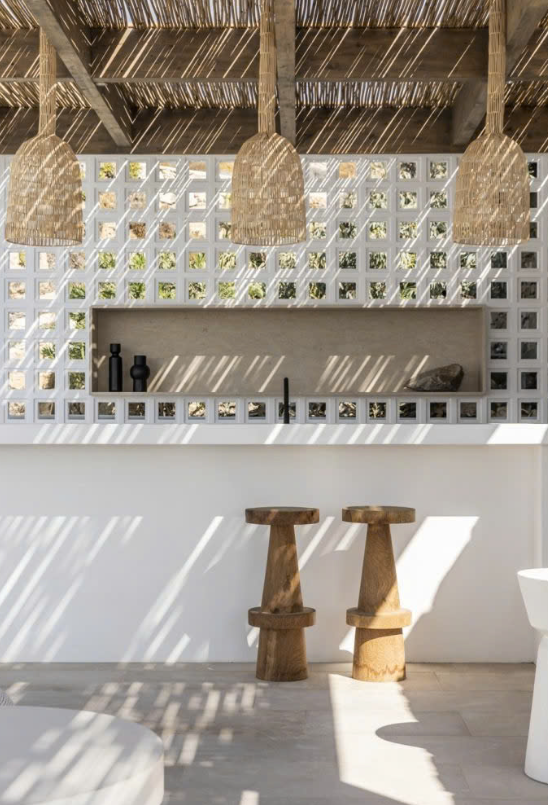
The green material trend is strongly influencing modern architecture
Today’s projects are not only focused on beauty, but also on sustainability.
That is why handmade and non-fired materials are receiving increasing attention.
Compared to many industrial tiles that require high-temperature firing, some handmade tiles are produced using static pressing and natural curing methods. This helps:
• Reduce energy consumption
• Minimize emissions
• Maintain long-lasting colors
• Be more environmentally friendly
This has become a preferred trend among resorts, villas, and green architecture projects in recent years.
What industrial tiles struggle to replace
Industrial tiles have advantages such as:
• Fast production
• High consistency
• Affordable pricing
However, in projects that seek individuality, too much uniformity can sometimes make spaces feel emotionally flat.
Handmade tiles, on the other hand, create a more one-of-a-kind atmosphere.
When sunlight passes through breeze blocks, when material surfaces reveal natural depth, or when patterns carry subtle handcrafted touches… the space feels softer, more alive, and more artistic.
That is exactly what many cafés and luxury resorts are looking for: a space where guests want to stay longer.
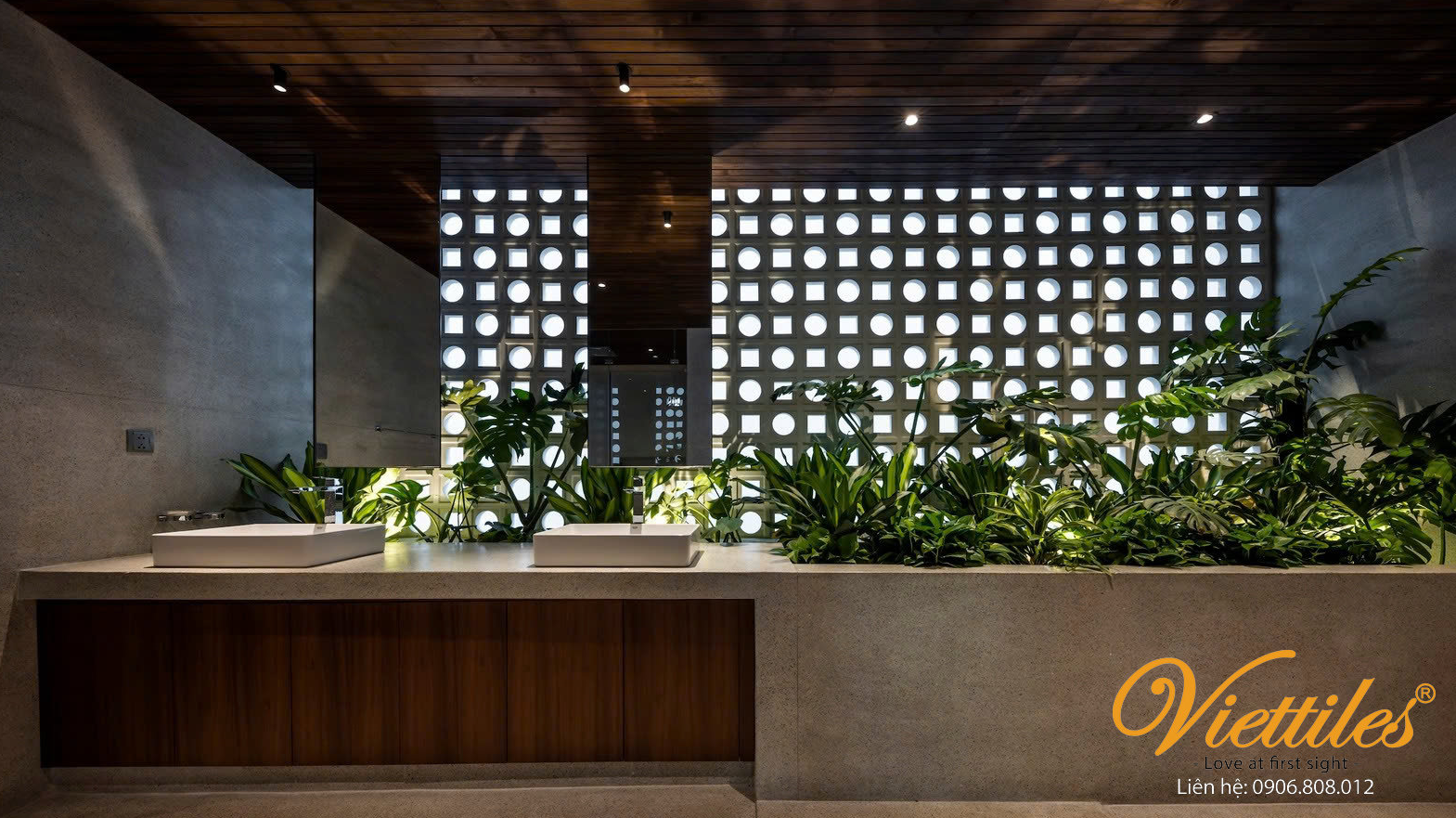
Viettiles and the integration of handmade materials into modern architecture
Within this trend, Viettiles is one of the brands pursuing the combination of traditional craftsmanship and modern production standards.
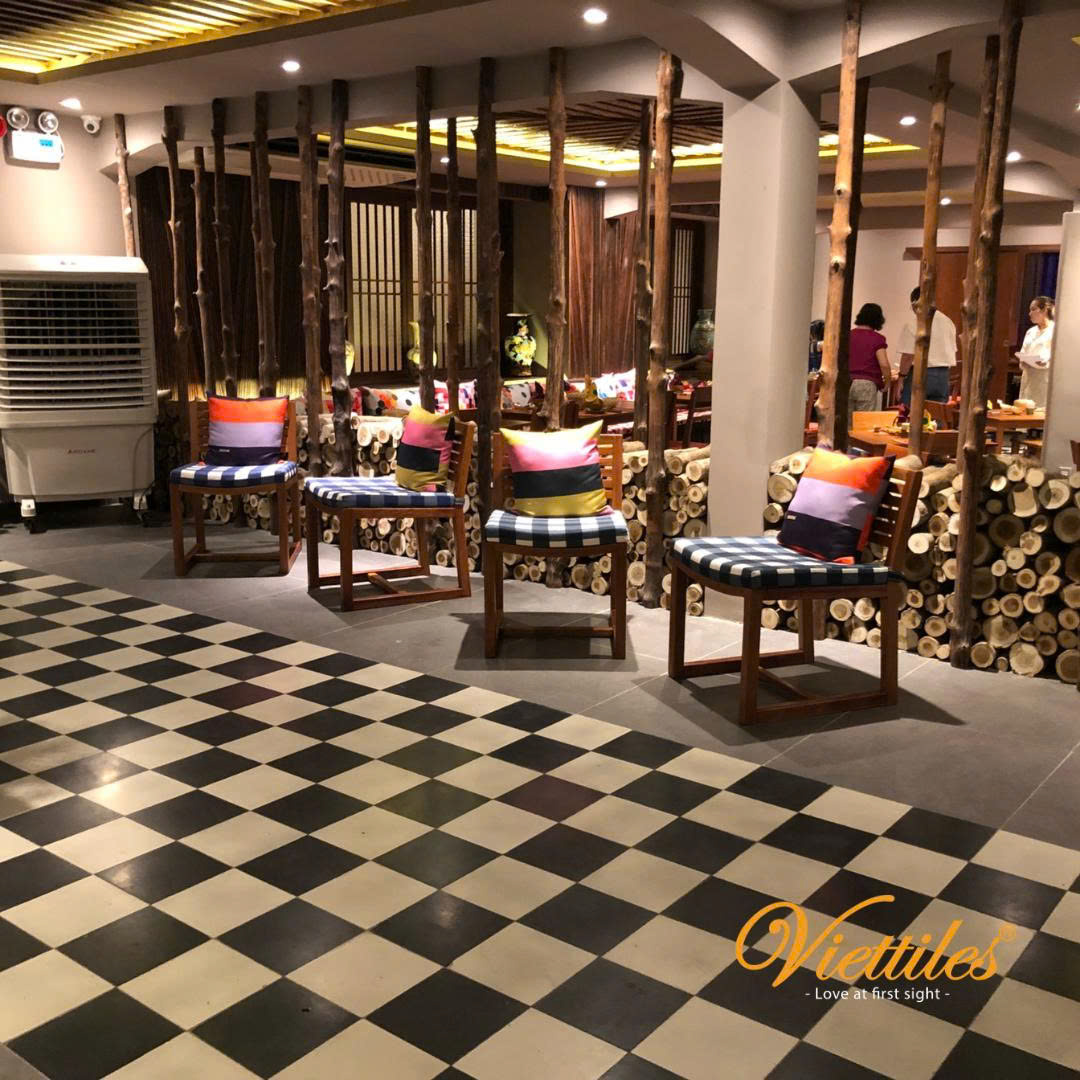
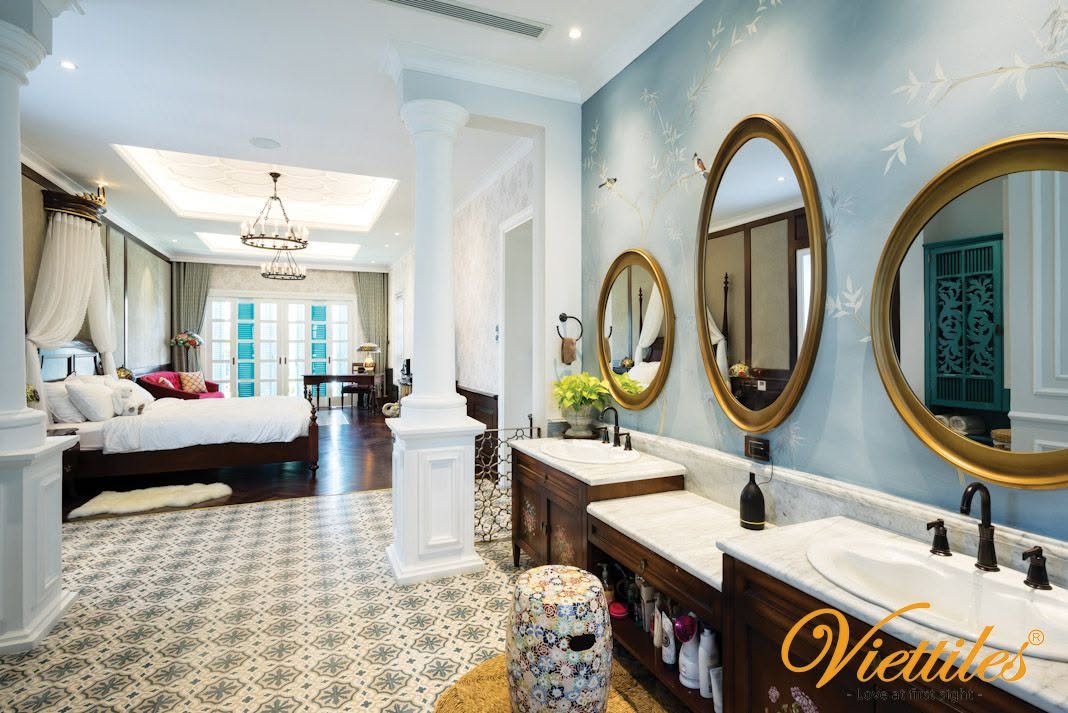
Its encaustic tiles and breeze blocks are shaped using custom molds combined with advanced static pressing technology to improve durability and preserve sharp pattern details.
Interestingly, the production process does not involve high-temperature firing like many ceramic or porcelain tiles. Instead, the tiles naturally cure over time, helping save energy while maintaining color beauty for years.
Beyond technical quality, many Viettiles designs are highly applicable for:
• Cafés
• Resorts
• Homestays
• Villas
• Modern townhouses
In particular, breeze block designs are not only decorative but also improve ventilation and maximize natural lighting — a highly valued element in tropical architecture today.
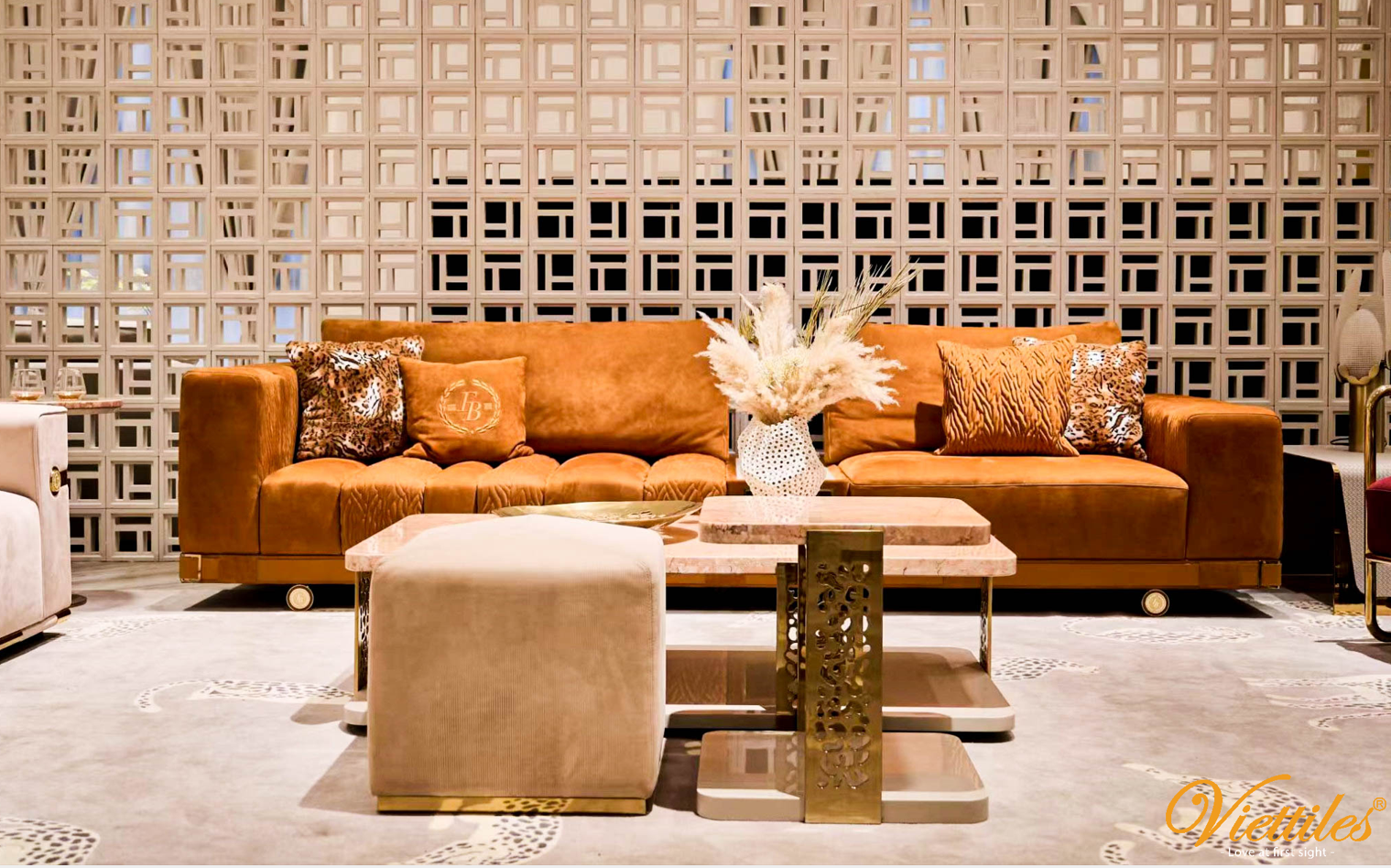
Beautiful spaces often begin with emotional materials
A beautiful space does not always need to be overly elaborate.
Sometimes, sunlight passing through decorative breeze blocks, a handcrafted surface with natural depth, or the raw yet refined texture of materials is enough to make a project truly stand out.
Perhaps that is why, even in the age of mass production, handcrafted materials still maintain their unique place.
Not only to build beautiful architecture, but also to create spaces people will remember.