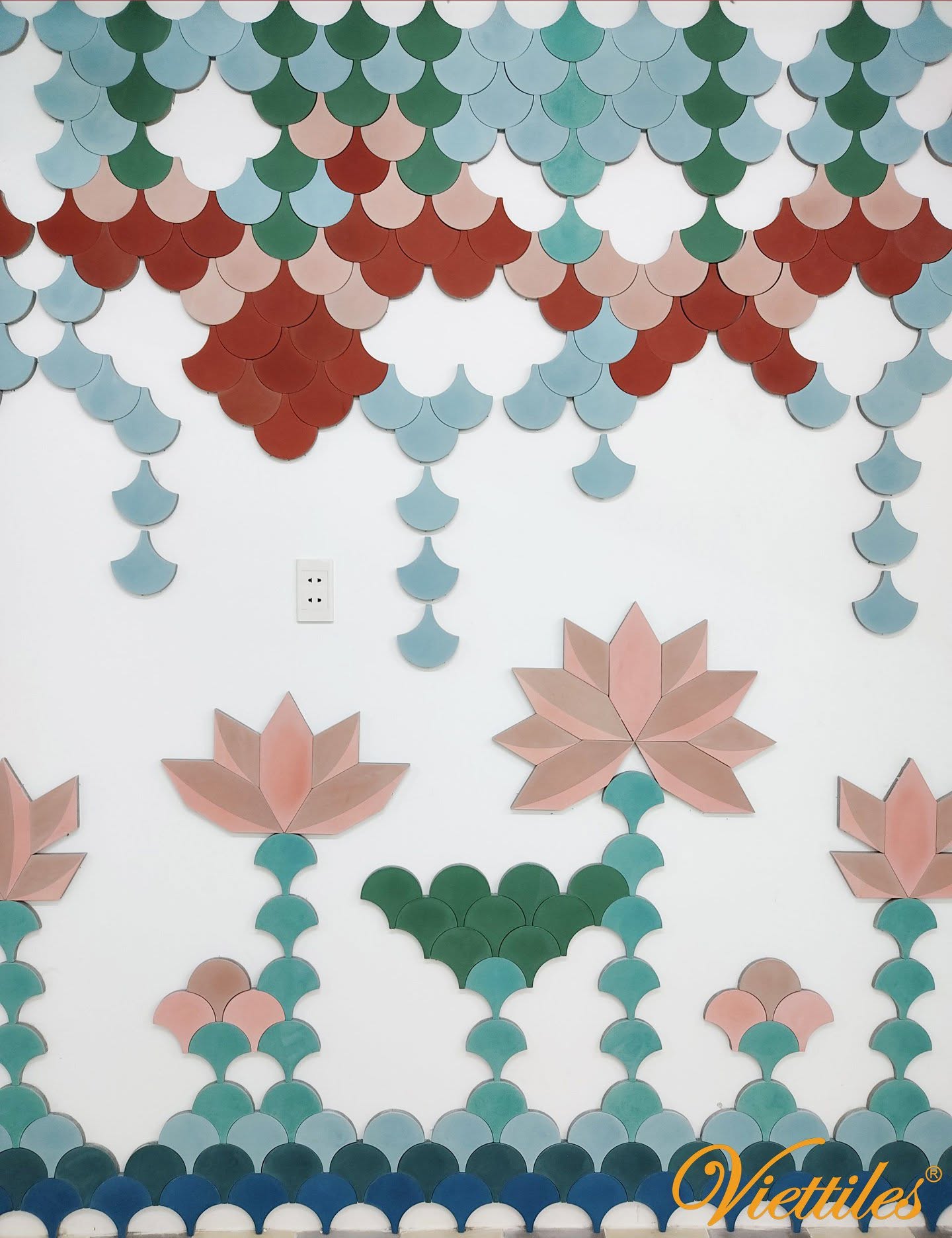
Modern Encaustic Tile Manufacturing Process: From Raw Materials to High-Quality Finished Products
Encaustic tiles are not merely finishing materials but also aesthetic accents that add value to a wide range of projects, from homes, cafés, and hotels to luxury resorts. To create a tile that is durable, beautiful, features crisp colors, and has a long service life, the manufacturing process plays a decisive role.
Today, along with technological advancements, modern encaustic tile manufacturing processes have been significantly improved to enhance product quality while embracing the trends of green architecture and sustainable development. So, how is an encaustic tile made? Let’s explore the process with Viettiles.
Raw Materials – The Foundation of Encaustic Tile Quality
A beautiful tile begins with the selection of high-quality raw materials. This is a key factor that directly affects the hardness, load-bearing capacity, color, and service life of the product.
The commonly selected materials include high-quality cement, fine stone powder, clean sand, inorganic pigments, and specialized additives. Each component is carefully controlled in terms of mixing ratios to ensure that the tile has a stable structure, consistent color, and an attractive finished surface.
Investing in quality raw materials from the beginning helps encaustic tiles maintain their beauty over time while minimizing cracking, breakage, or color fading during use.
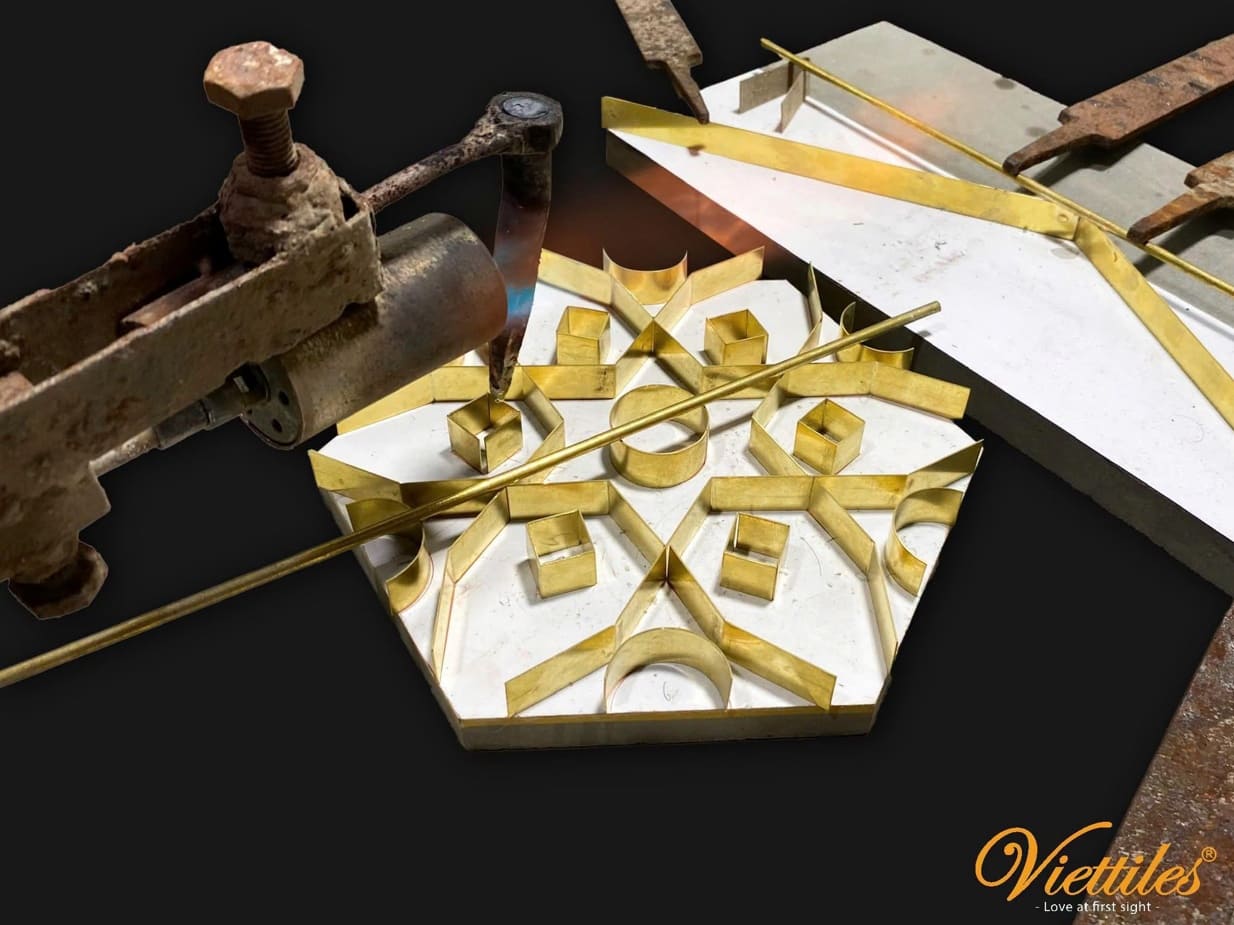
Pattern Design – Creating a Distinctive Identity for Every Space
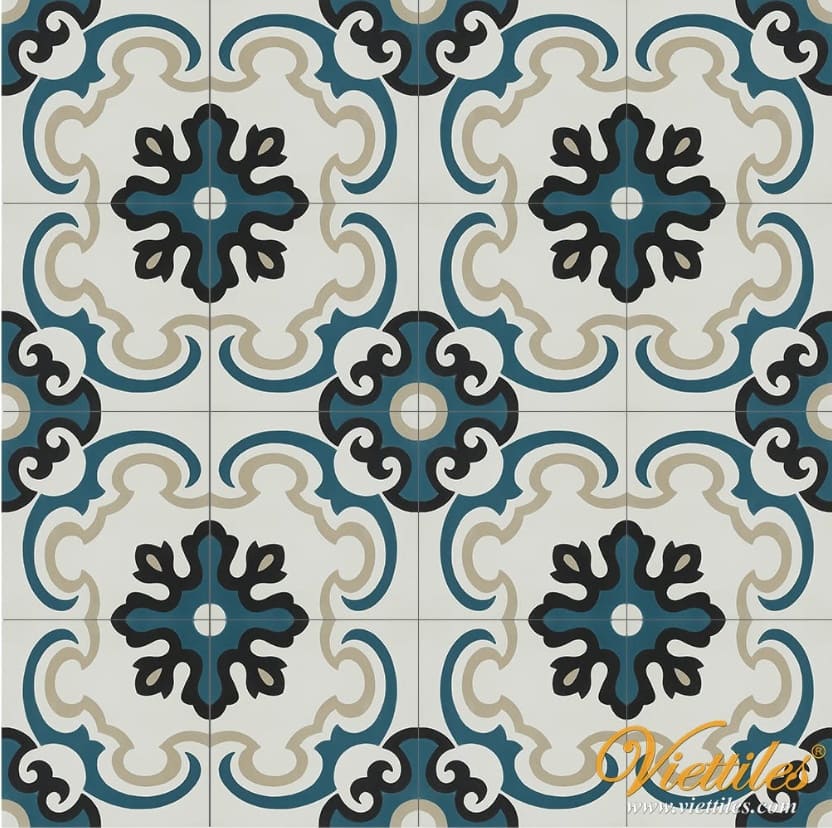
The defining characteristic of encaustic tiles lies in their diverse and highly artistic patterns. Before entering the manufacturing stage, each pattern is carefully studied in terms of color, proportions, and practical applications.
Through the combination of modern design thinking and traditional craftsmanship, today's encaustic tile designs are suitable for a wide range of architectural styles, from classic and Indochine to minimalist and contemporary.
This is also why many architects prioritize encaustic tiles as an accent material for their projects.
Mixing and Forming with Modern Technology
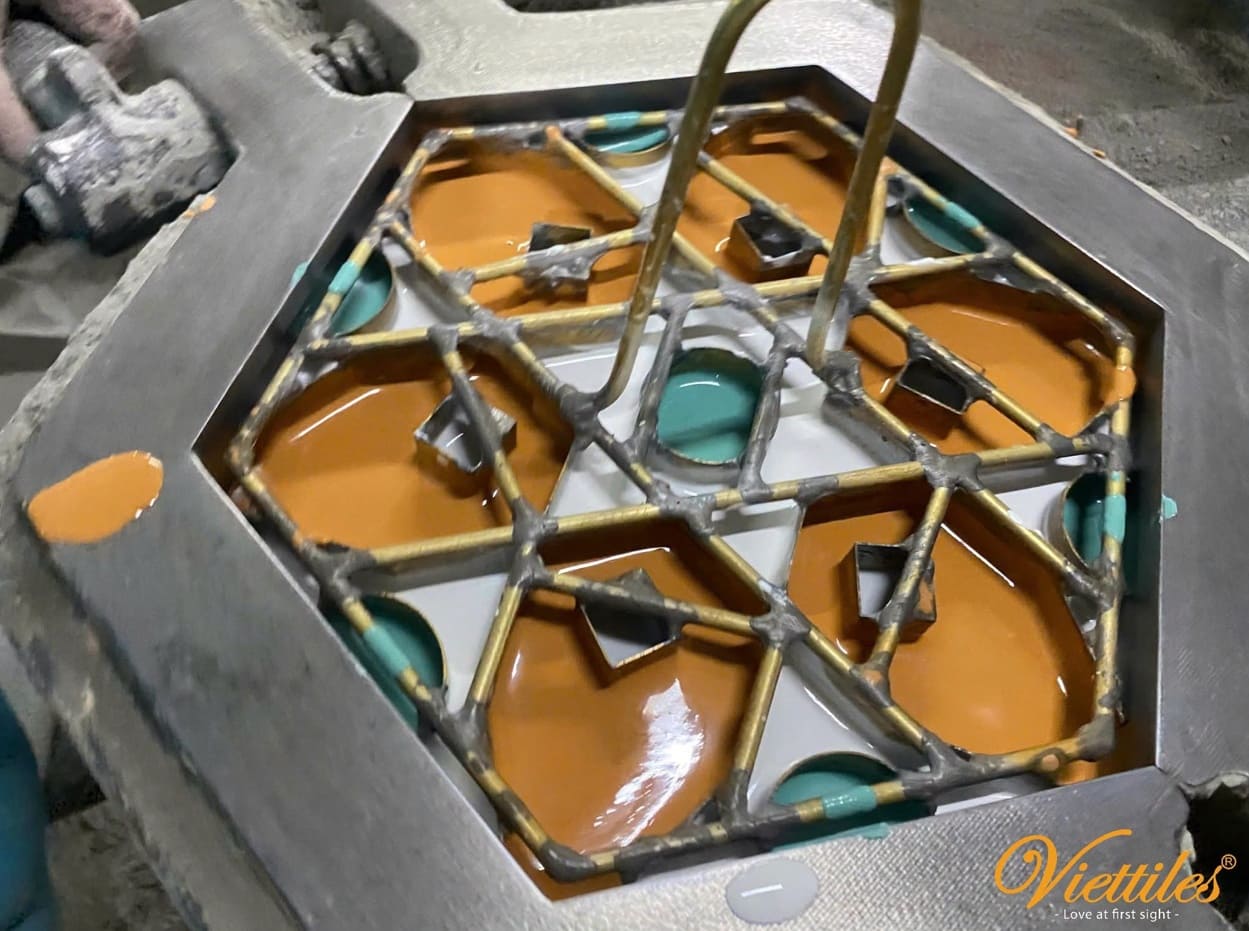
After the raw materials are prepared, the mixture is blended according to a tested formula to ensure consistency.
In modern prodction lines, the forming process is strictly controlled using high-pressure pressing systems. As a result, the tiles achieve greater density, fewer internal voids, and improved load-bearing capacity during use.
Precise control at every stage also ensures consistent tile dimensions, making installation easier while enhancing the aesthetic quality of the finished surface.
Curing – A Crucial Step That Determines Durability
After forming, the tiles need to undergo an appropriate curing period to allow the cement to reach stable strength.
This is a stage that cannot be shortened if high product quality is to be achieved. When properly cured, the tiles develop greater hardness, helping minimize warping, cracking, and breakage while maintaining their beauty over the long term, even under frequent use.
For this reason, reputable manufacturers always invest seriously in this stage rather than focusing solely on production speed.
Quality Inspection Before Shipment
Every batch of tiles must undergo inspection before reaching customers.
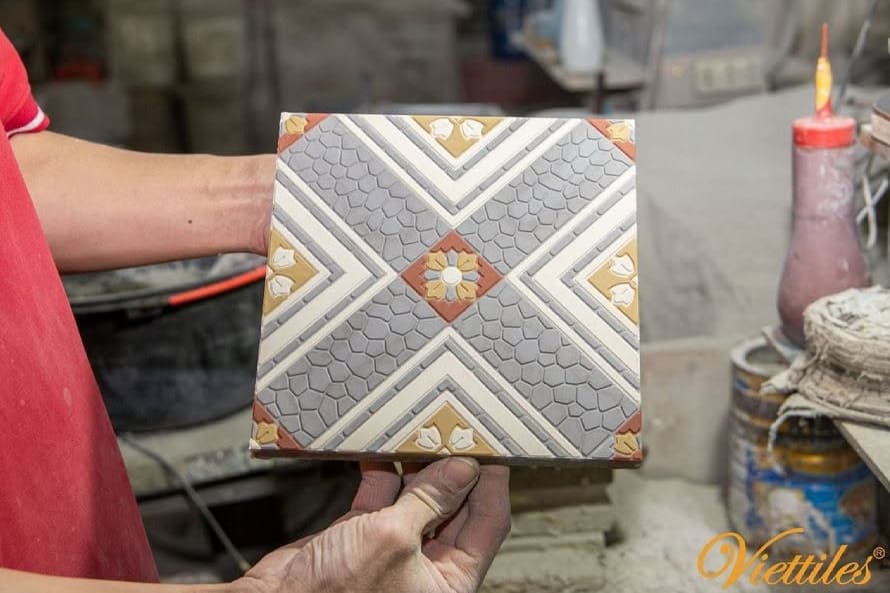
Criteria such as color, dimensions, flatness, load-bearing capacity, and surface finish are carefully evaluated to ensure consistency between individual tiles.
Thanks to strict quality control procedures, products can achieve a high level of aesthetic quality when installed while minimizing discrepancies during the installation process.
Green and Sustainable Encaustic Tile Manufacturing Trends
Beyond product quality, many businesses today are also focusing on environmentally friendly manufacturing solutions.
At Viettiles, encaustic tiles are manufactured using kiln-free technology, helping reduce CO₂ emissions during production and minimize energy consumption compared with many traditional methods. This approach aligns with the growing trend toward green architecture, which is increasingly embraced by high-end projects around the world.
The application of kiln-free technology not only contributes to environmental protection but also demonstrates Viettiles' commitment to creating sustainable products that meet the increasingly demanding needs of the market.
Viettiles – Combining Traditional Values with Modern Technology
A high-quality encaustic tile is not created solely through modern machinery. It is the result of a combination of manufacturing expertise, strict quality control processes, and a spirit of creativity in every design.
With a commitment to sustainable development, Viettiles continuously improves its manufacturing processes to deliver encaustic tile collections with high durability, timeless aesthetic appeal, and environmentally friendly characteristics. Each product not only contributes to the completion of an architectural project but also creates inspiring living spaces where architectural values and sustainability go hand in hand.