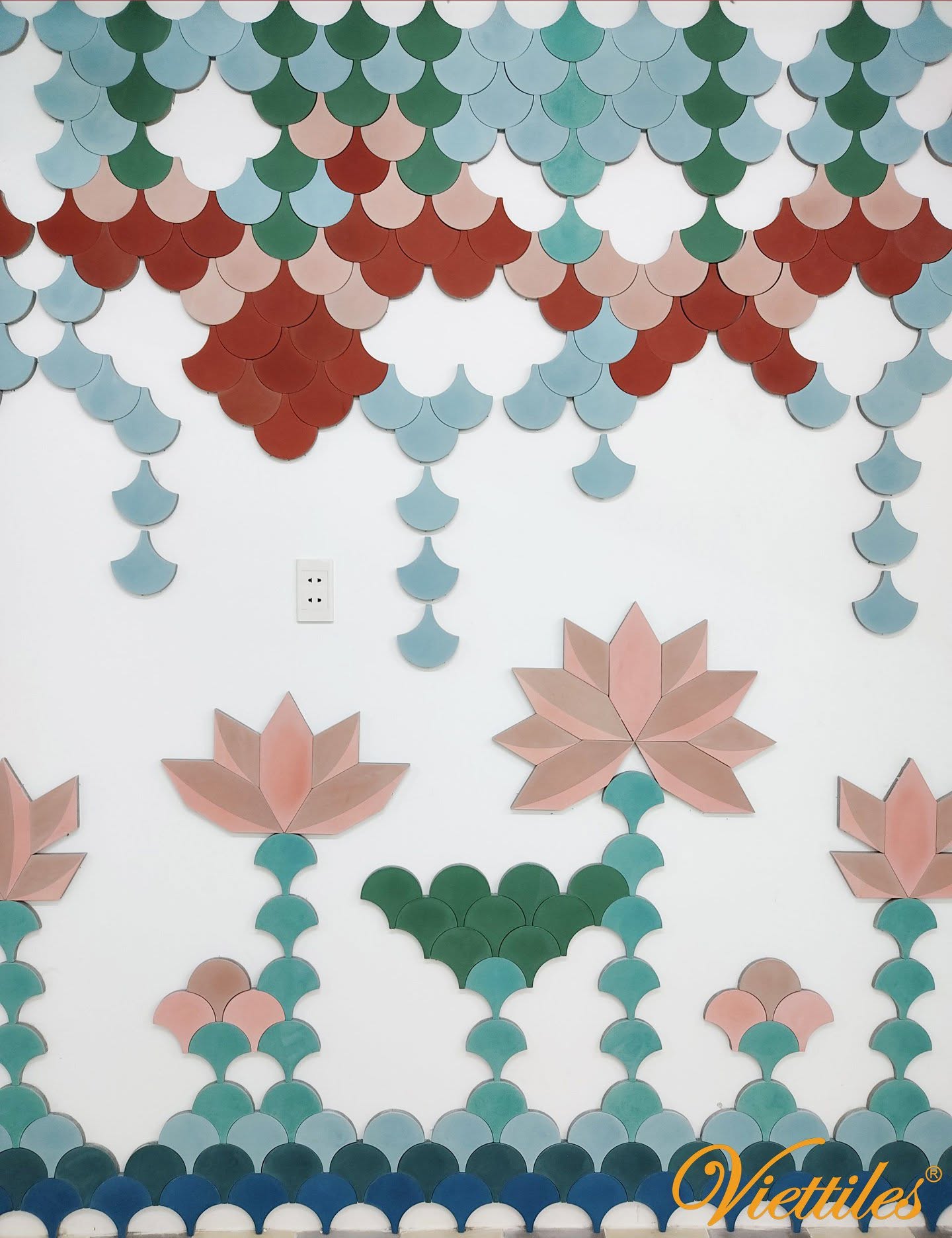
Tiles Are Not Just Building Materials, They Are the Language of Architecture
In modern architecture, materials do more than simply complete a structure—they help tell the unique story of each space. A tile may seem like a simple building component, but through its colors, patterns, textures, and arrangement, it can create emotions, identity, and a distinctive character for a project. This is why more and more architects and developers view tiles as an essential design language in contemporary architecture.
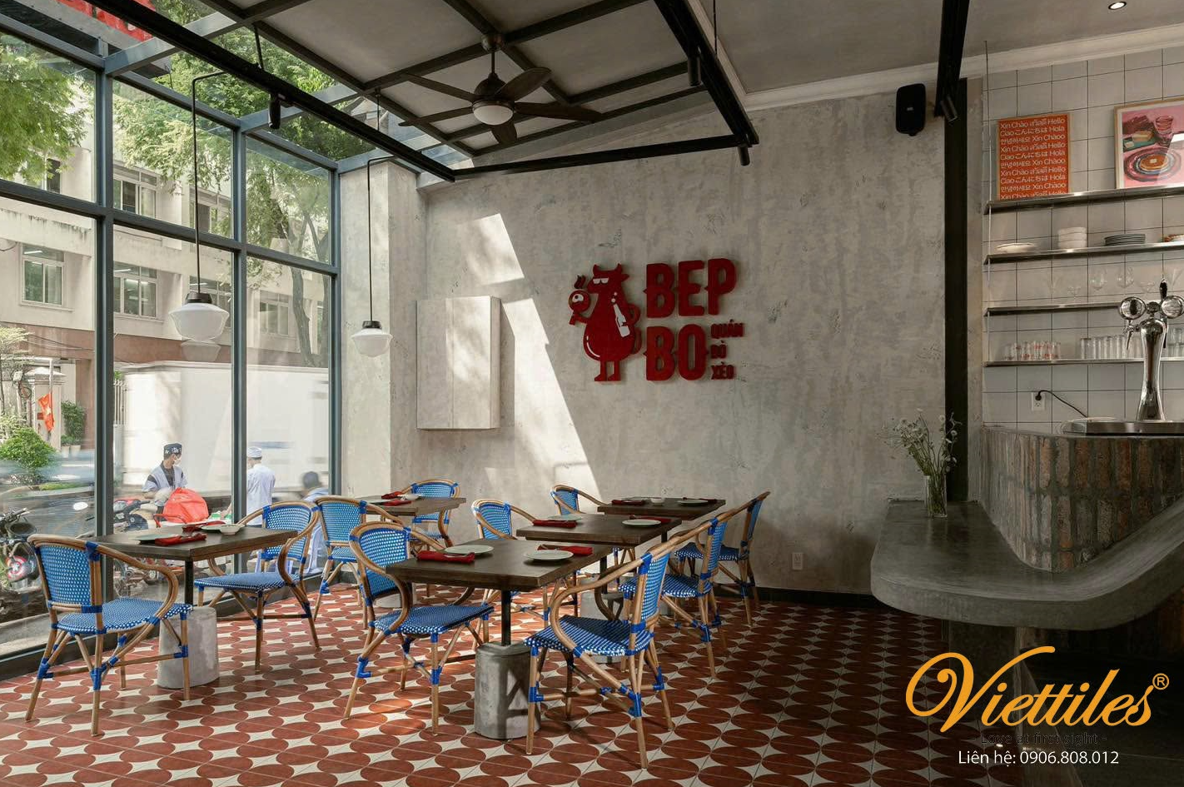
Architecture Is the Art of Storytelling Through Space
Every project carries its own message.
A seaside resort seeks to convey relaxation and a connection with nature. A luxury hotel aims to express sophistication and prestige. A café aspires to create unique experiences that attract and engage customers.
To tell these stories, architects rely not only on forms, lighting, and colors but also on the expressive power of materials.
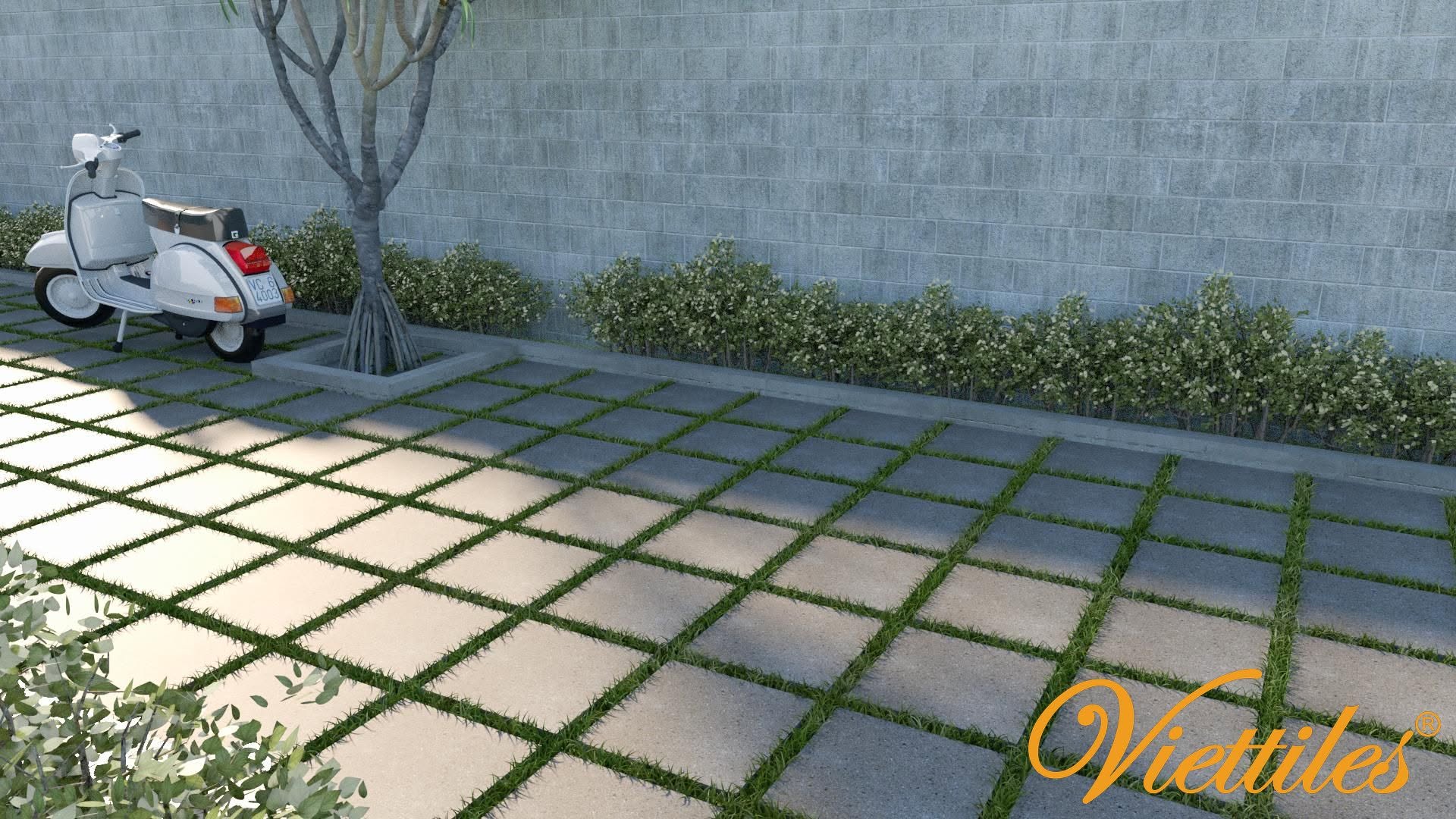
Among them, tiles are one of the most powerful mediums of expression because they appear throughout a project—from facades and flooring to decorative walls, gardens, and various architectural spaces.
Tiles Are Not Just for Construction—They Create Emotions
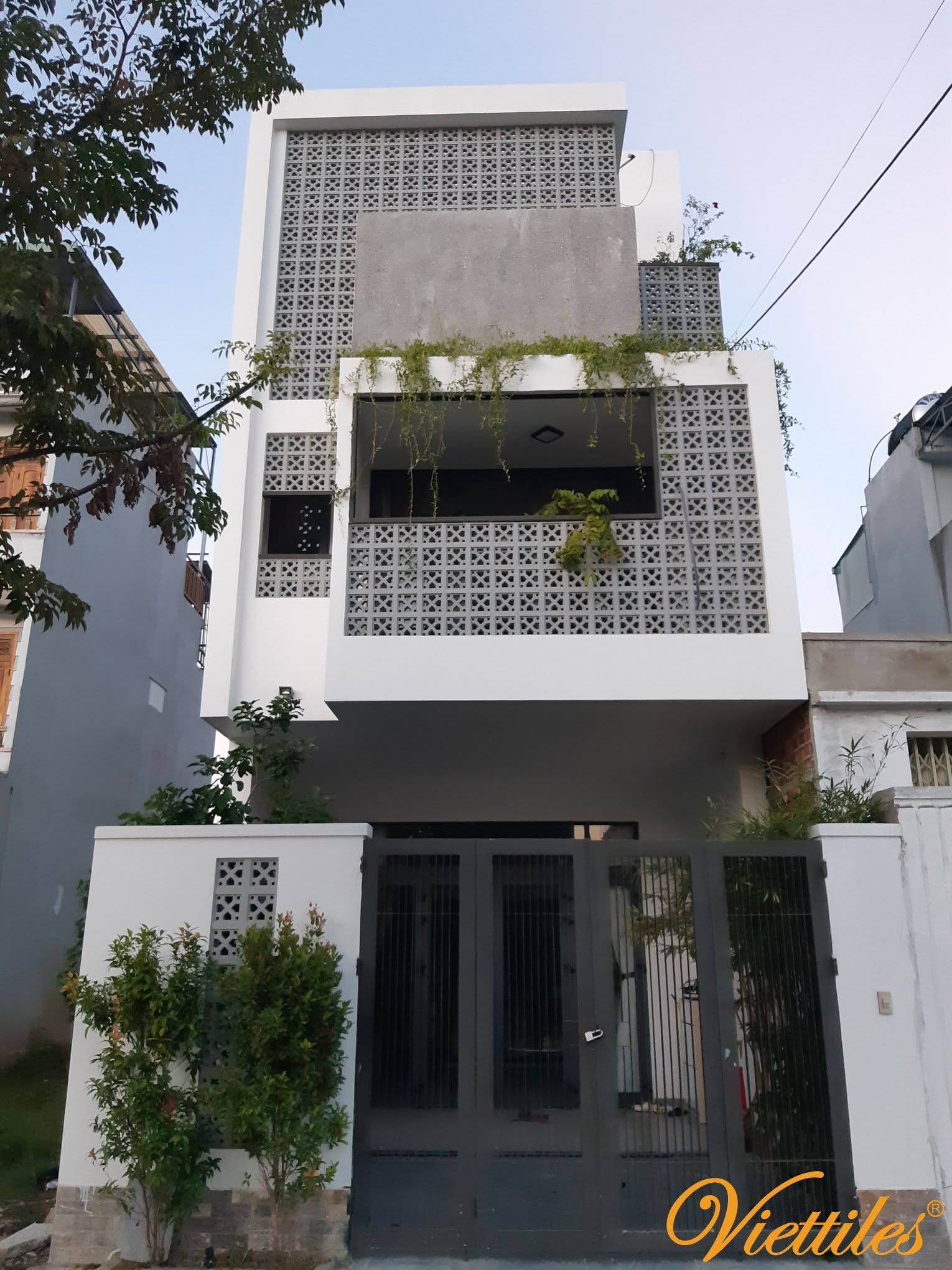
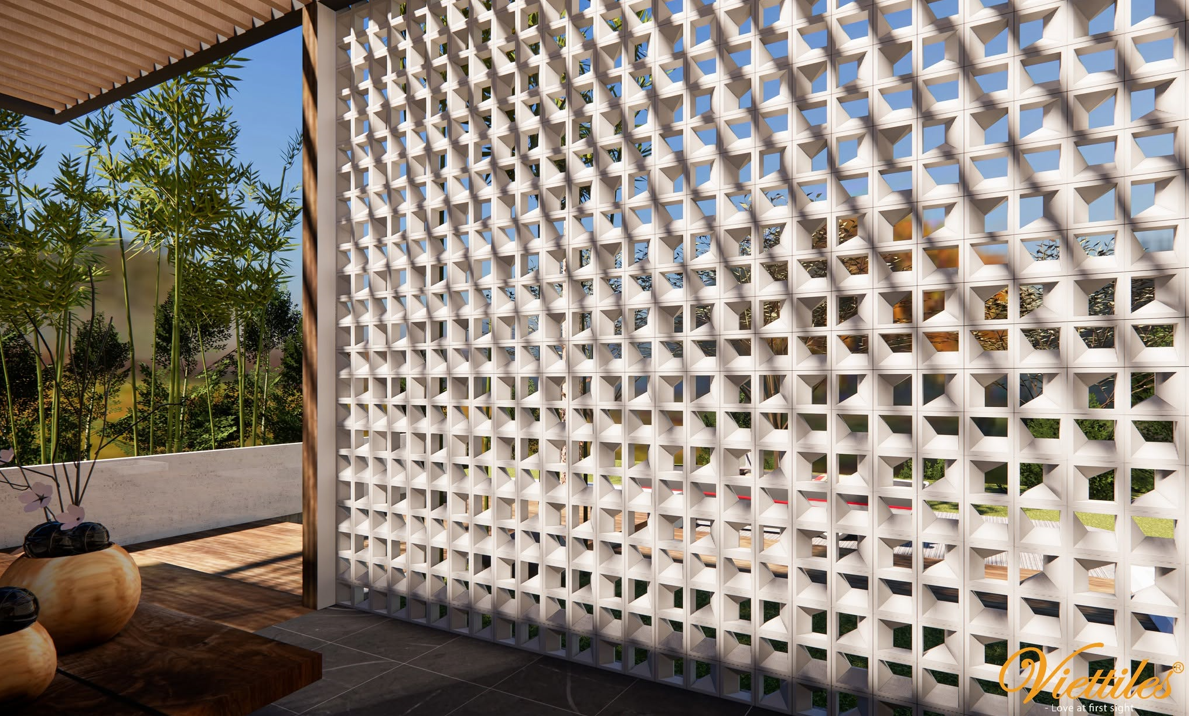
A wall made with breeze blocks can create artistic patterns of light and shadow.
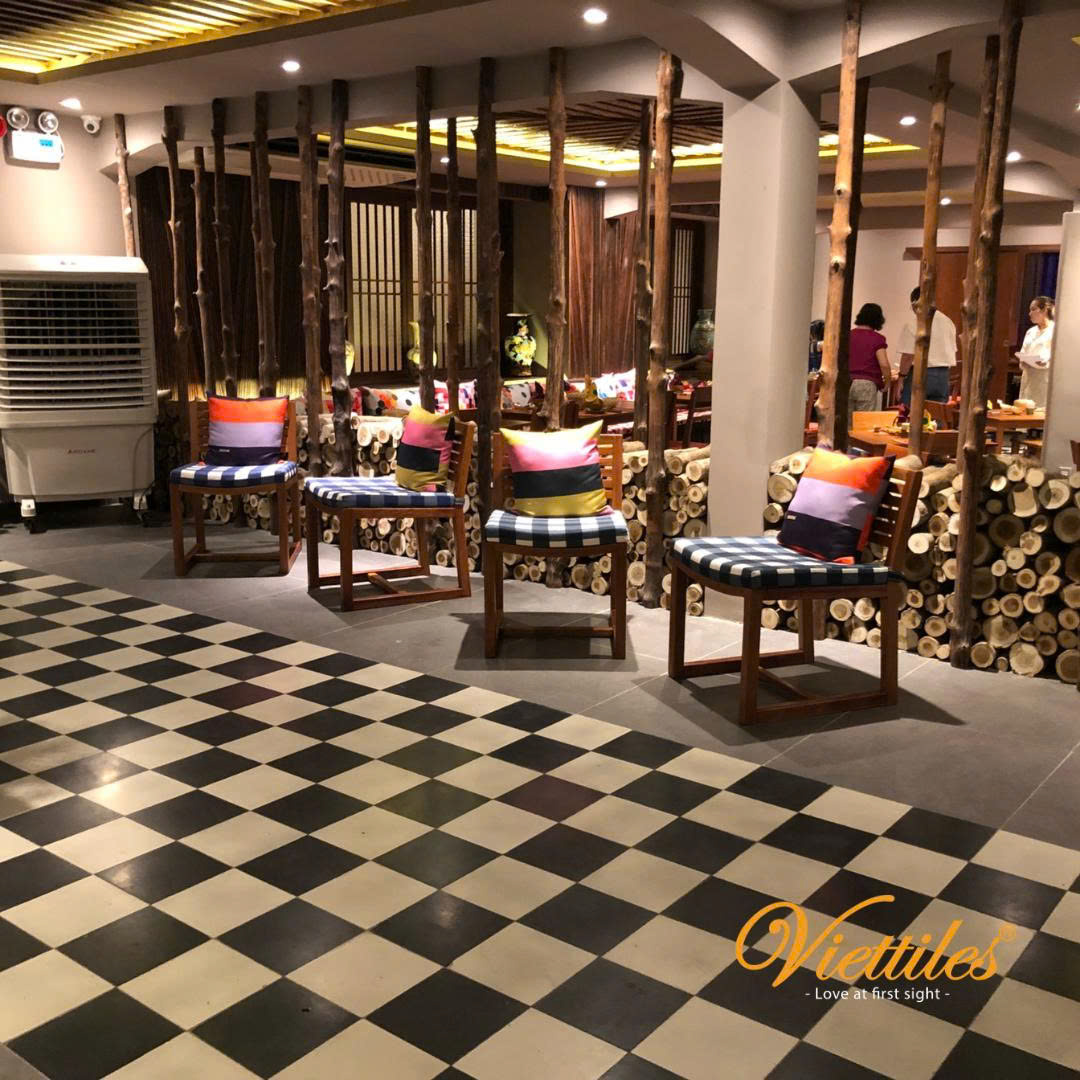
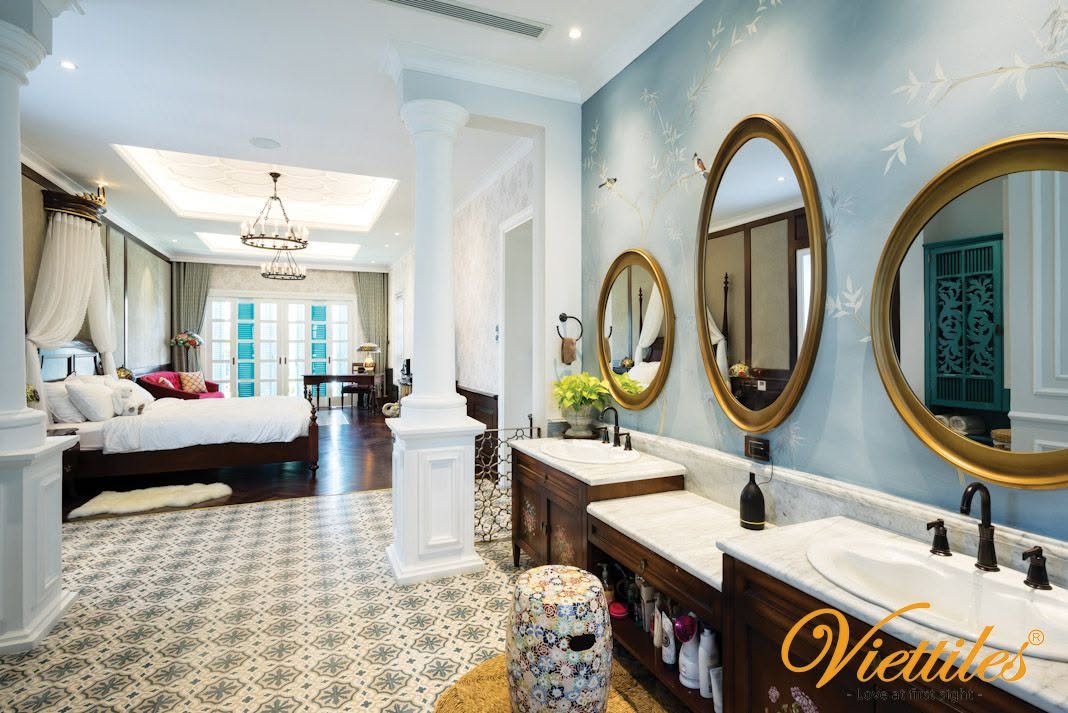
A floor paved with intricately patterned encaustic cement tiles can evoke the nostalgic charm of Indochine architecture.
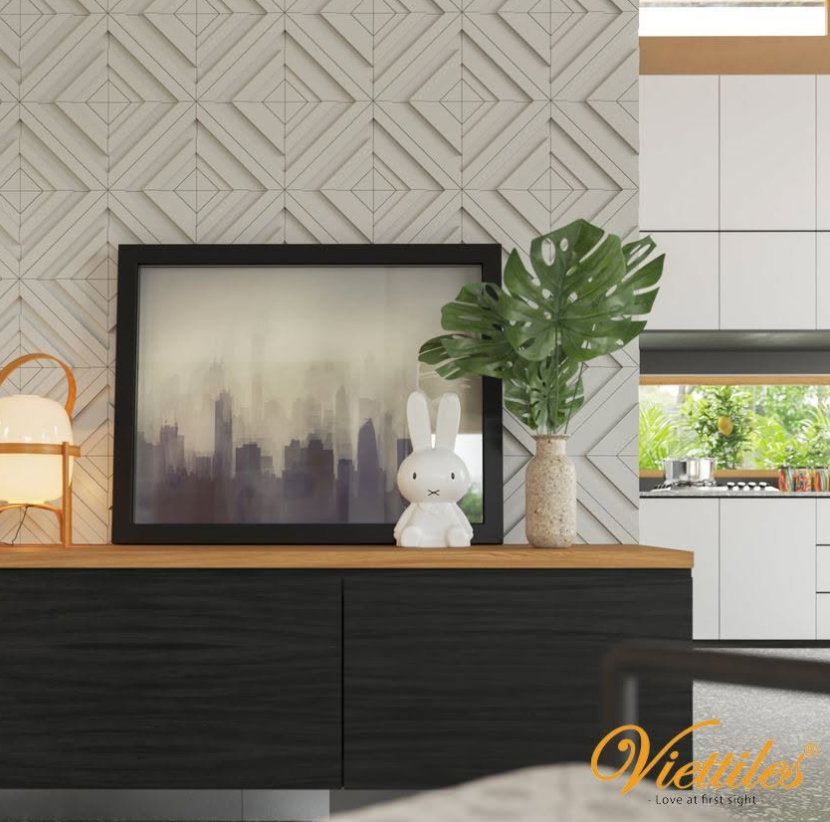
A feature wall clad with 3D tiles can become a striking visual focal point.
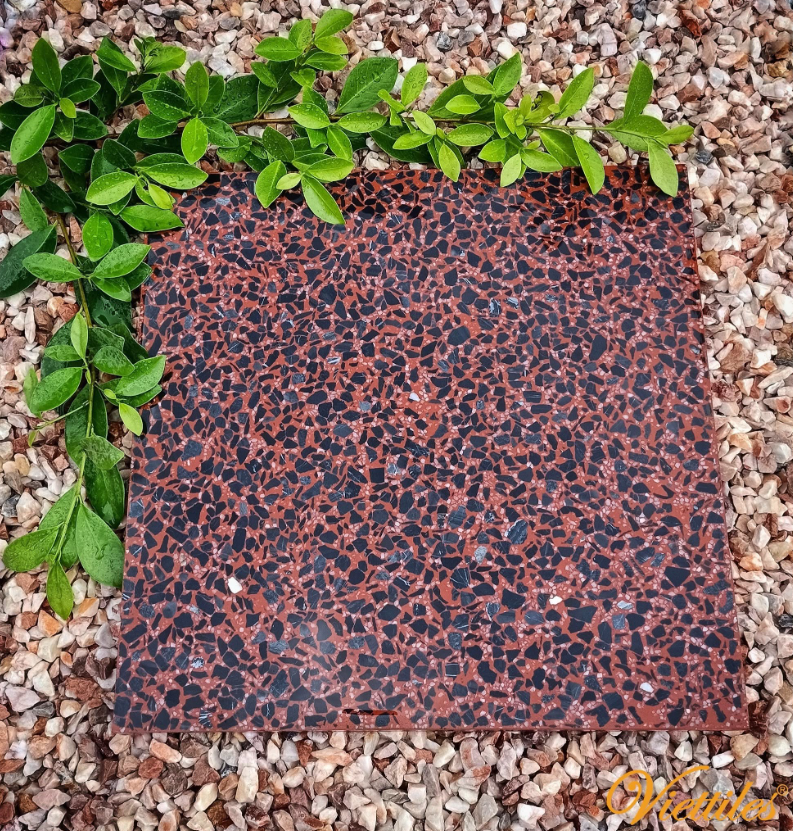
Meanwhile, terrazzo surfaces bring a sense of modern elegance while maintaining a natural and welcoming atmosphere.
This is why architects increasingly see tiles as a creative design tool rather than merely a finishing material.
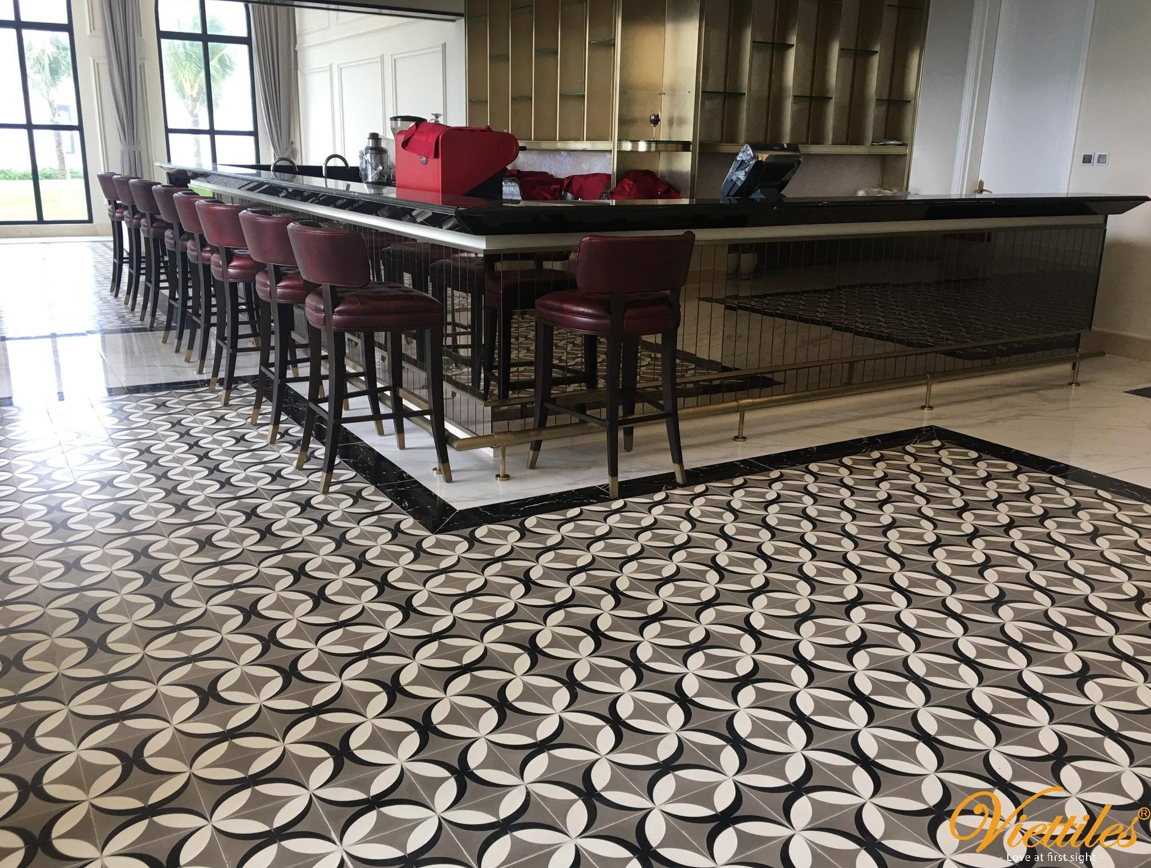
Encaustic Cement Tiles – An Artistic Signature in Architecture
Encaustic cement tiles have long been recognized as a symbol of sophistication and artistic expression in architecture.
Beyond their diverse patterns and designs, these tiles offer a high level of customization for each project. Every motif can contribute to creating a distinctive style and personality for a space.
Today, encaustic cement tiles are no longer limited to classical architecture. They are widely used in modern, minimalist, and luxury resort designs.
Breeze Blocks – The Perfect Blend of Functionality and Aesthetics
As green architecture continues to gain popularity, breeze blocks are making a strong comeback as a solution that is both beautiful and highly functional.
Not only do they improve natural ventilation, reduce heat absorption, and save energy, but they also create highly creative architectural facades.
The interplay of light passing through their patterns makes buildings more dynamic and emotionally engaging throughout different times of the day.
3D Tiles – Creating Depth in Architecture
If light is the soul of a space, then 3D tiles are what create its visual depth.
With their sculptural forms and unique surface textures, 3D tiles bring walls to life without the need for excessive decorative details.
They are widely used in hotels, restaurants, showrooms, and premium commercial projects to create distinctive architectural highlights.
Terrazzo Tiles – Timeless Beauty and Enduring Value
Terrazzo is one of the most sought-after materials among architects and interior designers worldwide.
The combination of natural stone aggregates and modern manufacturing techniques creates unique surfaces with remarkable depth and aesthetic value.
Beyond their beauty, terrazzo tiles are highly durable, resistant to wear, and built to last, making them perfectly aligned with today's sustainable architectural trends.
Premium Projects Always Prioritize Material Language
When observing five-star resorts, luxury hotels, or renowned hospitality developments, it is easy to recognize the careful attention given to material selection.
This is because materials not only determine the visual appeal of a project but also influence the emotions and experiences of its users.
A building may be visually impressive, but it only becomes truly memorable when it possesses a unique identity expressed through its materials.
That is why investors and architects dedicate significant time to researching and selecting products that can accurately communicate the design vision they seek to achieve.
Viettiles – Creating Architectural Value Through Tiles
Driven by a commitment to quality, aesthetics, and sustainability, Viettiles does more than manufacture tiles—it helps create architectural materials that leave a distinctive mark on every project.
Its collections of encaustic cement tiles, breeze blocks, 3D tiles, and terrazzo tiles are developed to provide architects, designers, and investors with creative material solutions that combine functionality with artistic value.
Each product is designed not only to meet technical requirements but also to tell a project's unique story through color, texture, and design language.
Conclusion
In modern architecture, tiles are no longer merely building materials. They are a language of architecture—a medium for expressing design ideas, creating emotions, and shaping the identity of a project.
When selected and applied thoughtfully, every tile has the power to transform an ordinary space into an architectural masterpiece with enduring value that stands the test of time.