3D Wall Tiles for Living Rooms: Beautiful Designs and Tips for Coordinating Your Space
In modern interior design, living room walls are no longer limited to plain paint finishes or wallpaper that quickly deteriorates. The introduction of 3D wall tiles for living rooms offers an entirely new form of expression, transforming static wall surfaces into sculptural features with tactile depth and dynamic interactions with light. However, to maximize the aesthetic value of decorative 3D wall tiles without making a space feel visually cluttered, it is essential to choose designs that complement the installation area and lighting effects.

This 3D cement tile feature wall by Viettiles is composed of wood-like strips arranged together to create an artistic three-dimensional composition.
1. Why Are 3D Tiles Ideal for Creating a Living Room Focal Point?
The living room is where guests are welcomed and where homeowners' aesthetic preferences are most clearly expressed. Using 3D wall tiles for living rooms offers several notable advantages:
-
Create multi-layered visual depth: Beveled edges, flowing waves, and multidirectional raised and recessed surfaces break up the flatness of a room, creating a more spacious and dynamic impression.
-
Natural, durable material texture: Unlike synthetic plastic wall panels, handcrafted 3D cement tiles feature a solid, naturally matte surface. They offer scratch resistance, resistance to mold and mildew, and long-lasting durability throughout the building's service life.
-
Dynamic lighting effects: Depending on the angle of natural daylight or artificial spotlights in the evening, the tile surface creates flowing patterns of shadow that continuously transform the atmosphere of the room.
See also: Tips for Installing Decorative 3D Wall Tiles to Create Depth in Your Living Room
2. 3D Tile Designs for Different Interior Styles
Depending on the overall design language of your home, you can choose 3D geometric tile modules that complement the interior style:
-
Modern and Minimalist Styles: Suitable designs include clean geometric modules such as beveled triangular shapes, raised and recessed hexagons, and staggered cubes. Monochromatic shades such as concrete gray, ivory white, and matte black help maintain a refined, bold aesthetic.
-
Tropical and Wabi-Sabi Styles: Prioritize undulating wave patterns, such as Seafoam designs, and soft organic grooves inspired by sand dunes or natural folds. Natural sand, earthy brown, and sage green tones create a calm and peaceful atmosphere.
-
Contemporary and Experimental Styles: Asymmetrical, angular 3D tile modules can be used to create an impressive architectural relief feature at the heart of the home.
3. Should You Install 3D Tiles on the TV Wall, Behind the Sofa, or on the Main Feature Wall?
The golden rule when using raised 3D tiles is to create localized focal points rather than covering every wall:
-
Behind the sofa: This is one of the ideal locations for a large feature wall. When guests enter the room, the wall behind the sofa becomes an elegant visual centerpiece without distracting people while they are sitting and talking.
-
Behind the television: Keep the depth of the raised surfaces and the density of the patterns under control. Gentle wave patterns or fine, tone-on-tone grooves are preferable to avoid visual fatigue during extended TV viewing.
-
Entryway walls or decorative niches: A small area of approximately 3–5 m² covered with decorative 3D wall tiles, combined with ceramic vases or greenery, can transform an overlooked corner into an attractive artistic feature.
4. How to Choose Colors, Patterns, and Lighting to Highlight the Surface
A 3D wall tile feature in the living room truly stands out when complemented by the right lighting:
-
Positioning lights at the right angle (Grazing Light): Light directed straight at the wall at a 90° angle can flatten the surface and diminish the three-dimensional effect. Instead, use track spotlights or concealed LED strips along the ceiling to cast light obliquely across the wall at an angle of approximately 15°–30°, creating clearly defined shadows along the edges and contours.
-
The monochromatic color principle: Since the surface already features pronounced three-dimensional details, choose tile colors that complement the surrounding wall paint. The visual contrast should come from the difference in surface texture rather than strong color clashes.
5. Important Considerations When Choosing 3D Tile Sizes and Installation Methods
-
Tile dimensions: Square tiles measuring 200 x 200 mm or hexagonal tiles measuring 200 x 230 mm are standard formats that make it easier for installers to align patterns without creating an overly heavy appearance.
-
Use high-adhesion tile adhesive: 3D cement tiles are relatively solid and heavy. Use specialized tile adhesive and apply it evenly across the back of each tile. Begin installation at the bottom of the wall and work upward in successive rows.
-
Keep grout joints narrow: Standard grout joints should generally be 1.5–2 mm wide. Use grout in a color matching the tiles so that the individual modules connect seamlessly, creating the impression of a continuous sculptural surface.
See also: 2026 Trends in Artistic Wall Design Using 3D Tiles
6. Explore Decorative 3D Wall Tile Designs at Viettiles
If you are looking for an impressive way to create a focal point in your living space, the decorative 3D wall tile collection from Viettiles is well worth exploring.
Crafted from cement and natural mineral pigments using high-pressure hydraulic pressing without kiln firing, Viettiles 3D tiles retain a smooth, naturally matte finish, crisp edges, and excellent mechanical durability. The diverse collection ranges from multidimensional hexagonal forms and flowing water-inspired waves to contemporary beveled geometric designs. Available in cement white, concrete gray, and distinctive mineral color shades, these tiles can be incorporated into a wide variety of 3D living room wall tile designs.
Customers can contact Viettiles directly to request a detailed catalog, review technical specifications, and receive advice on selecting the most suitable products for their projects.


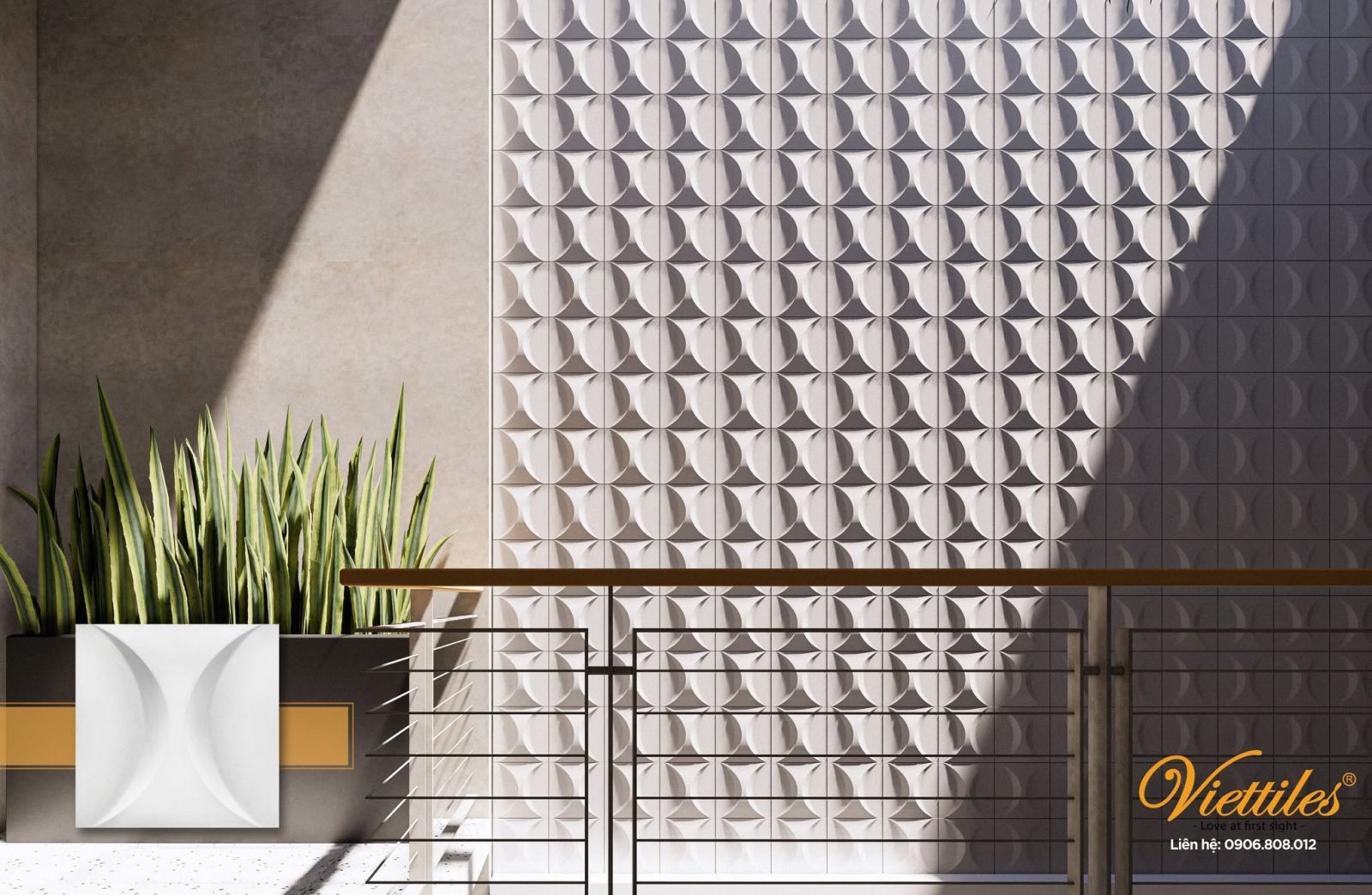
Explore Viettiles' diverse collection of 3D tiles.
Contact Information and Product Consultation:
-
Showroom: No. 17, Street 40, An Khanh Ward, Thu Duc City, Ho Chi Minh City
-
Hotline: 0906 808 012 – 0906 830 362
-
Email: info@viettiles.com
-
Website: www.viettiles.com
-
Factories: Le Minh Xuan Industrial Park (Ho Chi Minh City) and Chon Thanh (Binh Phuoc Province)