English: Secrets to Using 3D Tiles to Decorate Living Room Walls and Create Depth
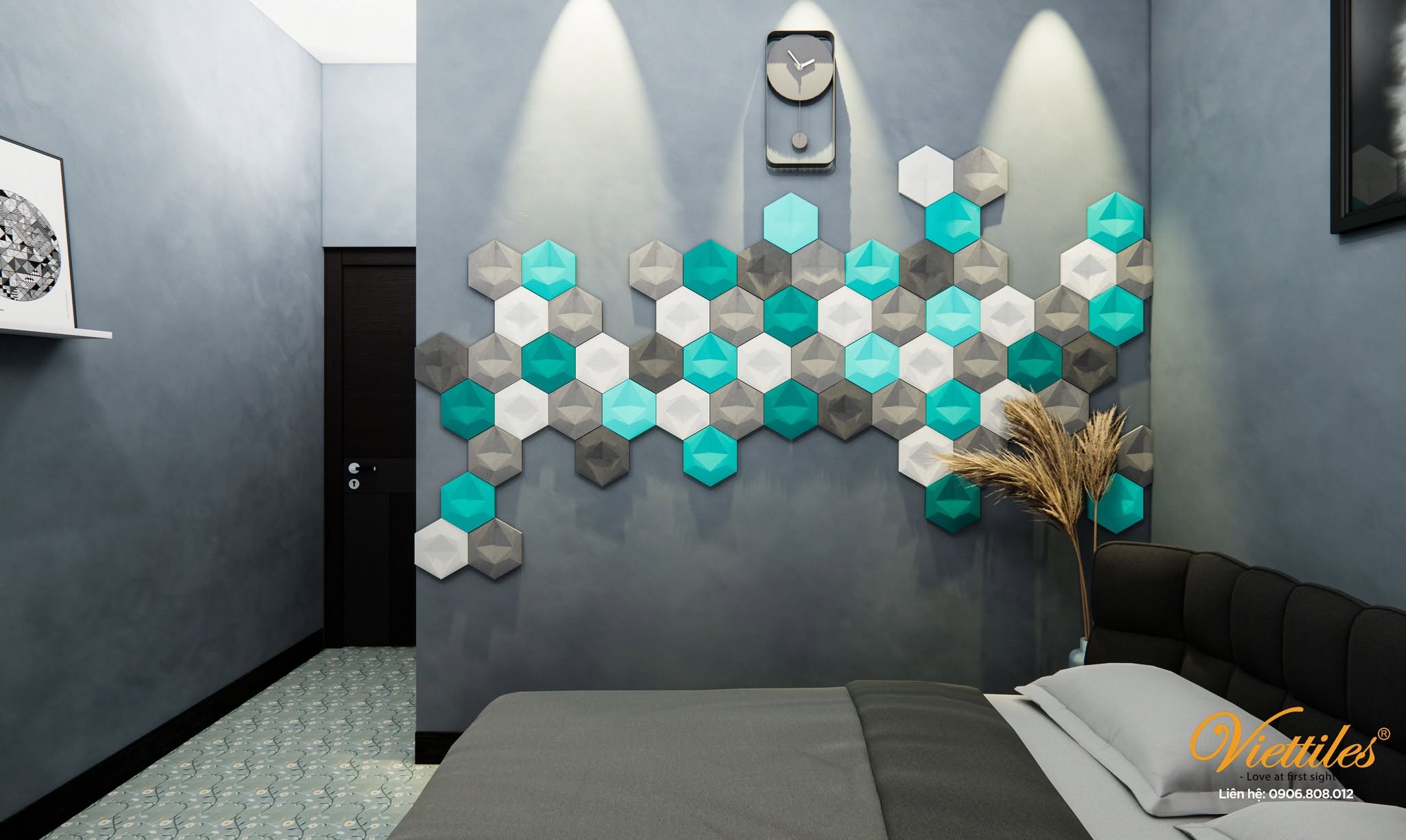
Instead of flat painted walls that can easily make a space feel monotonous, 3D decorative wall tiles are increasingly chosen by architects to create an architectural focal point in living rooms. With multidimensional raised and recessed forms, this material transforms the wall into a dynamic sculptural surface, adding visual depth and a more spacious feel to the shared living area.

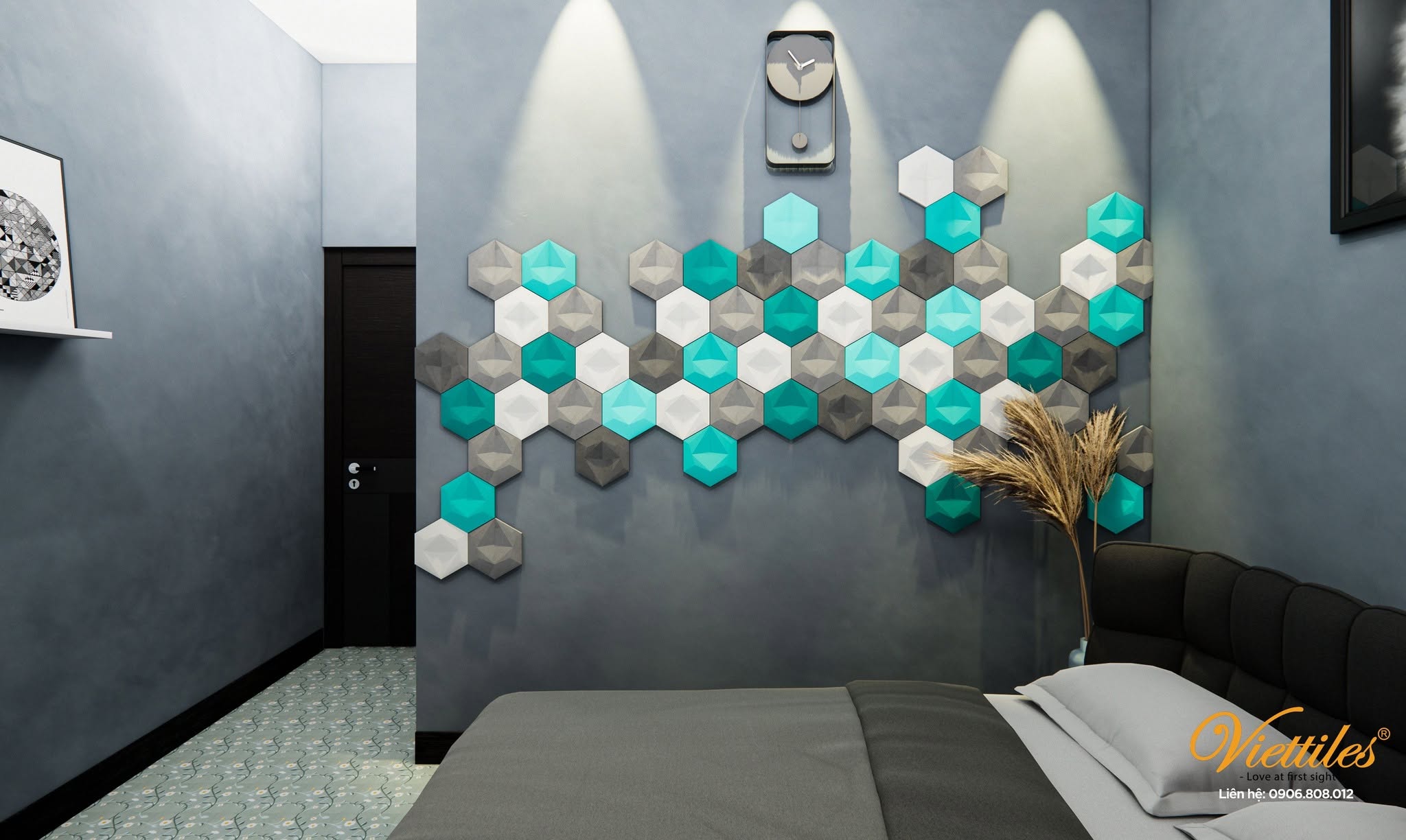
The three-dimensional forms and shadows of 3D cement tiles give the bedroom wall an engaging sense of depth
What Are 3D Decorative Wall Tiles for Living Rooms?
3D wall tiles are decorative surfacing materials with raised and recessed forms, curved lines, or multidimensional beveled edges instead of the traditional flat surface. In modern architecture, handcrafted cement-based 3D tiles are highly valued compared with gypsum or industrial plastic wall panels because of their solid structure, fine sand aggregates, and dense cement binder, providing high mechanical strength along with a natural, raw aesthetic.
Why Can 3D Tiles Create Depth in a Living Room?
The ability of 3D tiles to enhance visual depth comes from the interaction between the material and light:
-
Natural Light & Shadow Effect: When light strikes raised and recessed surfaces at an angle, each beveled edge creates contrasting areas of light and shadow. This contrast breaks up the flat appearance of the wall, making the room feel deeper and more spacious.
-
Raw mineral texture: The cement surface softly diffuses light without producing the harsh glare associated with glass or glossy glazed tiles, creating a calm and comfortable atmosphere in the living room.
See also: When a Wall Learns to Breathe and Grow with Time
How to Choose the Right 3D Decorative Wall Tiles for a Living Room
-
Choose according to the room size: Smaller living rooms should prioritize tiles with moderate relief and shallower edges to avoid a visually heavy appearance. Large living rooms or villas can accommodate deeper beveled forms and sharper geometric shapes to establish a stronger design identity.
-
Prioritize neutral tones: Solid colors such as creamy white, cement gray, beige, or matte black help maintain a sophisticated appearance over time without becoming outdated.
-
Ensure dimensional consistency: Choose tiles manufactured with precise mechanical pressing so that adjoining edges align evenly and cleanly when forming a larger pattern.
Where to Install 3D Tiles in a Living Room
-
Sofa backdrop: This wall is often among the first surfaces to enter the viewer's field of vision when entering the living room, creating an elegant focal point for the main seating area.
-
Wall behind the TV cabinet: Creates a dimensional backdrop for the entertainment system without requiring additional layers of complex faux-stone plastic panels.
-
Entrance or connecting hallway feature wall: Provides a subtle transition between the living room and other functional areas such as the dining room or staircase.

3D tiles used on a feature wall to create a sophisticated architectural focal point
How to Combine 3D Tiles with Interior Décor for a More Spacious Living Room
The three-dimensional forms already carry significant visual weight, so the surrounding furniture should follow principles of balance:
-
Keep furniture lines simple: Pair the wall with rustic woven-fabric sofas, powder-coated metal coffee tables, or natural wood furniture with streamlined forms to prevent the overall composition from becoming visually cluttered.
-
Take advantage of raking light: Install recessed LED lighting or spotlights angled diagonally from above. Oblique lighting highlights the contours of each raised form and enhances the depth of shadows in the evening.
-
Keep decorative artwork to a minimum: Avoid hanging too many pictures or wall shelves on the 3D tile surface so that the rhythm of the sculptural forms remains visually clear.
Types of 3D Tiles Suitable for Creating a Living Room Focal Point
| 3D Tile Style | Visual Characteristics | Suggested Interior Style |
|---|---|---|
| Square / Pyramid Forms | Creates a structured symmetrical rhythm with clean geometric lines and a contemporary appearance. | Modern, Minimalism |
| 3D Hexagon Forms | Creates a dynamic honeycomb structure that can be arranged into creative, unconventional compositions. | Contemporary, Scandinavian |
| Wave Forms | Soft flowing lines enhance the perceived horizontal width of the space. | Open Relaxation Spaces, Refined Eco / Tropical |
Viet Tiles' 3D cement tile collection is designed around contemporary architectural trends and formed through static pressing using high-quality cement aggregates. Square, hexagonal, and wave forms retain the characteristic raw mineral surface, allowing architects and homeowners to bring spatial concepts with greater visual depth to life.
See also: How to Combine Artistic Cement Tiles to Create an Attractive Visual Focal Point for Your Home
Mistakes to Avoid When Installing 3D Tiles in a Living Room
-
Covering all four walls: Excessive use of 3D tiles across a large surface can create a visually heavy effect, making the living room feel smaller and overwhelming.
-
Failing to plan the lighting: Installing 3D tiles in areas with insufficient natural light and no supplementary lighting can significantly reduce the characteristic shadow effect of the raised forms.
-
Using excessively wide grout joints: Large or poorly applied adhesive and grout joints can visually break up the geometric composition and reduce the continuity of the sculptural wall.
Installation Notes for 3D Decorative Living Room Wall Tiles
-
Prepare a truly flat wall surface: The plastered wall should be checked for flatness with a spirit level before installation to prevent uneven tile edges when the forms are assembled.
-
Use specialized tile adhesive: Solid 3D cement tiles are generally heavier than conventional thin wall tiles. Use a polymer-modified cement-based tile adhesive and spread it evenly across the back of each tile.
-
Align the first row carefully: Establish an accurate level reference for the bottom row because even a few millimeters of deviation at the first row can cause misalignment throughout the entire wall above it.
-
Remove surface dust regularly: Raised surfaces may accumulate light dust after extended use. Simply use a soft-bristled brush or a well-wrung damp cloth. Avoid strong acidic cleaning agents to protect the natural mineral surface.
How to Install 3D Tiles to Make a Living Room Look More Spacious and Dimensional
Instead of installing tiles in a conventional rectangular arrangement from floor to ceiling, consider a zoning technique using segmented clusters. For example, install a strip of hexagonal 3D tiles in a gradually randomized arrangement across the center of the sofa wall while leaving a natural painted border around it. Combined with a strip of LED edge lighting, this approach can create the appearance of a unique artistic relief—open, distinctive, and rich in architectural character.

Viettiles ventilation brick wall with a square pattern that allows sunlight into the living room
Viet Tiles: Design Support and 3D Wall Tile Solutions
To create a 3D feature wall with architectural depth while minimizing technical risks, choosing quality materials from a professional manufacturer is an important consideration. Viet Tiles not only supplies tiles but also works as a material solutions partner for architects and homeowners:
-
Mechanically consistent non-fired cement material: Viet Tiles' 3D Wall Tiles are formed using high-pressure static pressing technology, helping create a dense structure, sharp beveled edges, and reduced dimensional variation when assembling large wall surfaces.
-
Custom patterns and color combinations: In addition to existing forms such as squares, hexagons, and waves, Viet Tiles can produce custom molds and blend natural mineral pigments according to the design concept of individual villas, townhouses, and commercial projects.
-
Technical and lighting consultation: Viet Tiles' technical team can provide detailed information on wall load specifications, tile adhesive requirements, recommended grout spacing, and lighting-angle arrangements to optimize the shadow effects of the installation.
-
On-site sample supply: Physical tile samples can be provided to project sites or design offices so that investors and architects can directly evaluate the surface texture before finalizing the installation plan.
Conclusion
Using 3D decorative wall tiles in the living room is a material solution that combines handcrafted production techniques with contemporary architectural language. When installed at carefully selected focal points and paired with well-planned raking light, a 3D feature wall can create lasting visual depth and distinctive architectural character throughout the home.
VIET TILES CONTACT INFORMATION
-
Address: No. 17, Street 40, An Khanh Ward, District 2
-
Phone: +84 906 830 362
-
Email: info@viettiles.com
-
Website: www.viettiles.com
-
Fanpage: facebook.com/viettiles1910