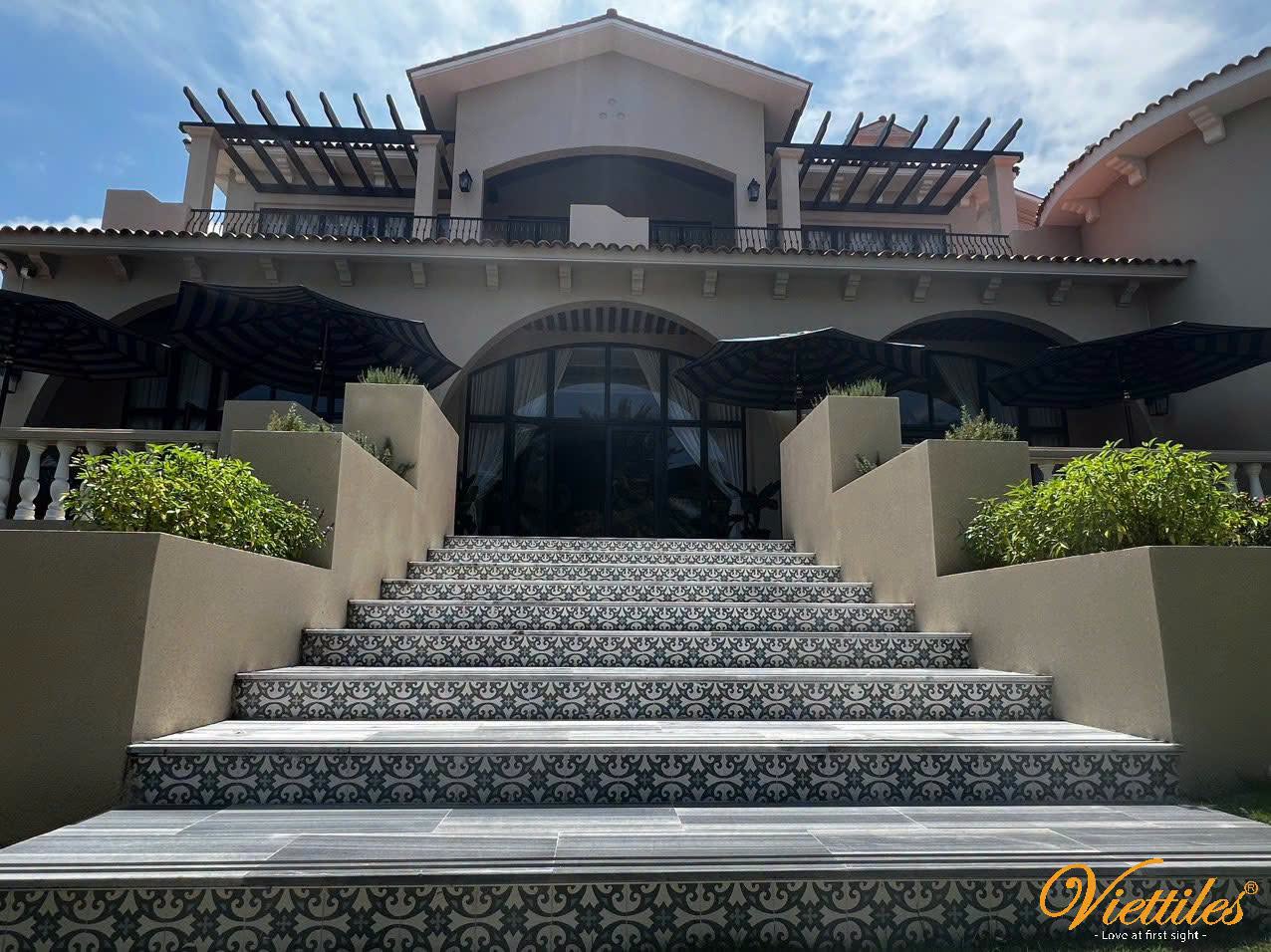
How to Make and Maintain a Beautiful Encaustic Tile Dining Table with Long-Lasting Stain Resistance
Handcrafted encaustic tile dining tables bring artistic depth and a natural, rustic character that industrial materials can hardly replicate. However, dining environments are constantly exposed to grease, colored seasonings, and high temperatures. Understanding the nature of kiln-free cement materials and applying proper surface treatment techniques are key to creating a dining table that is both stylish and durable over time.
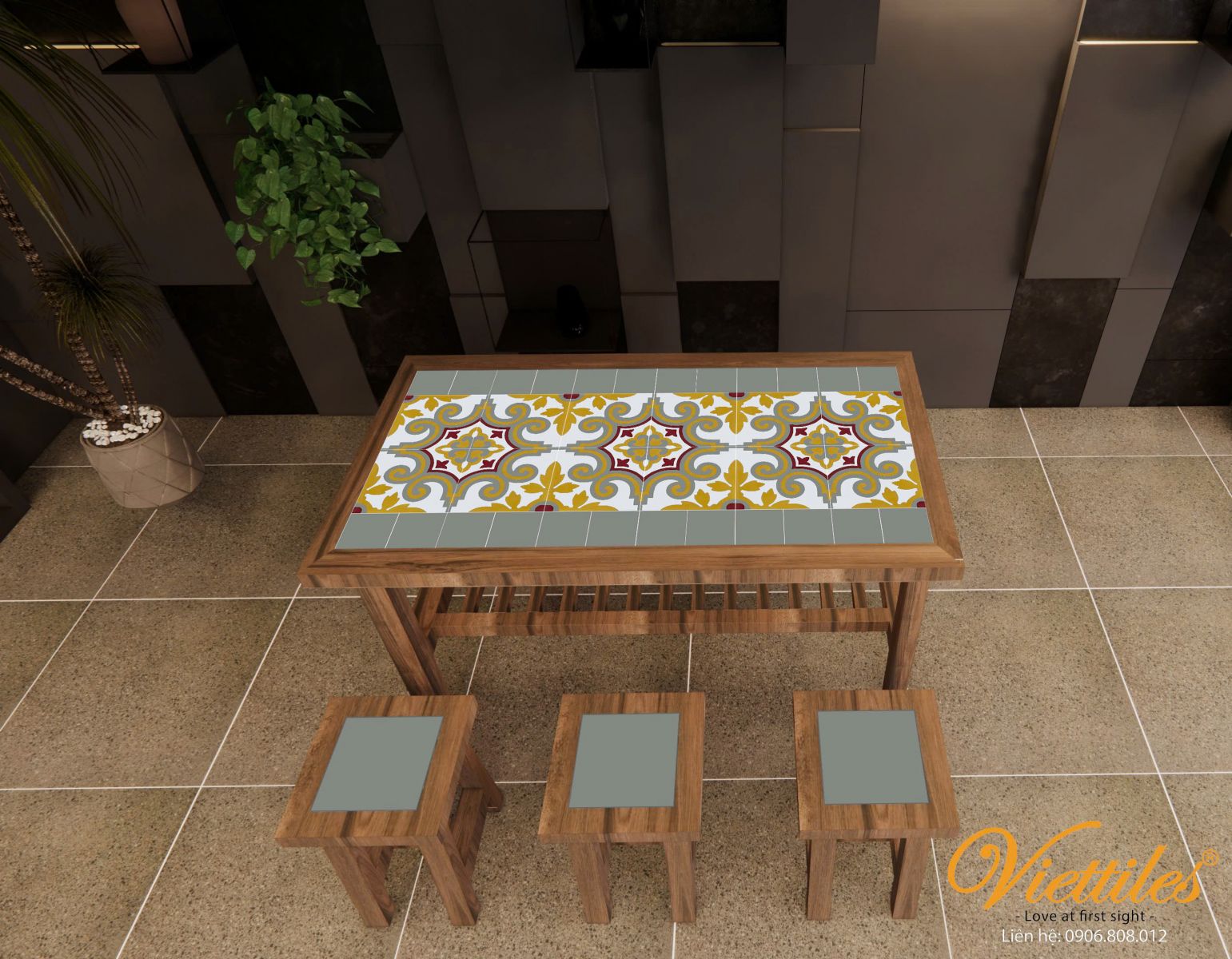
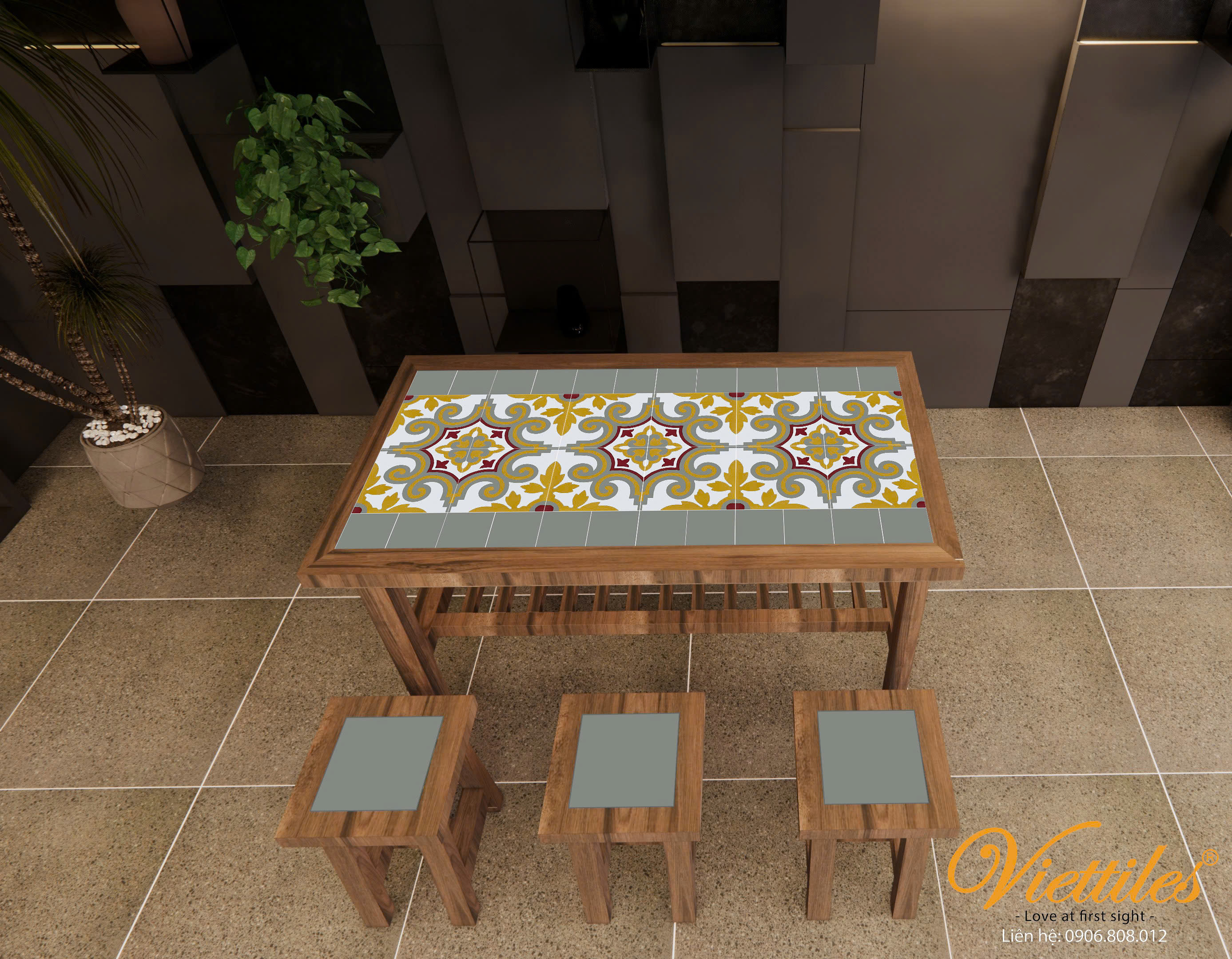
Handcrafted encaustic tile dining tables bring a natural, rustic character and visual depth to the space
1. Characteristics of Handcrafted Encaustic Tiles for Dining Table Surfaces
Encaustic tiles (cement tiles) are formed from a mixture of cement, fine sand, stone powder, and natural mineral pigments under high static pressure:
-
Durable patterned layer: The 2–3 mm-thick pigment layer is compressed into one solid piece with the base, reducing the risk of flaking or scratching like surface-printed glaze when exposed to contact with plates and dishes.
-
Natural tactile feel: The surface has a naturally smooth mineral texture, provides slip resistance, and does not create excessive glare.
-
Capillary nature: As a kiln-free cement-based material, encaustic tiles contain microscopic pores. Penetrating waterproof treatment is essential to help prevent food stains from adhering to the surface.
Read more: Modern Encaustic Tile Manufacturing Process: From Raw Materials to Quality Finished Products
2. Preparing Materials According to Technical Requirements
-
Encaustic tiles: 20x20 cm or 15x15 cm Viet Tiles tiles (prepare an additional 5–10% for cutting around the edges).
-
Load-bearing substrate: Moisture-resistant cement board (12–16 mm thick) installed on a steel frame or a reinforced wooden frame with supports spaced at ≤ 40 cm. Do not use MDF particle board.
-
Bonding mortar & Grout: Polymer-modified cement-based tile adhesive and mold-resistant grout (or oil-resistant epoxy grout).
-
Waterproofing: A specialized penetrating sealer for cement-based materials and natural stone.
-
Tools: Notched trowel (4–6 mm), cross spacers (1.5–2 mm), rubber mallet, sponge, and spirit level.
3. 5-Step DIY Process for Making an Encaustic Tile Dining Table Surface
-
Dry-Lay: Place the tiles on the unglued cement board, aligning the patterns symmetrically from the center of the table outward to accurately determine the edge cuts.
-
Fix the tiles in place: Use a notched trowel to spread the adhesive evenly at a 60-degree angle across the cement board. Place the tiles, gently tap them with a rubber mallet, insert 1.5–2 mm cross spacers, and check the surface level with a spirit level. Wipe off any adhesive that gets onto the tile surface immediately.
-
Apply preliminary penetrating sealer (Pre-sealing): After 24 hours, once the adhesive has dried, apply one thin coat of penetrating sealer to the tile surface before grouting. This layer helps prevent grout pigment from penetrating the capillaries and causing discoloration or staining.
-
Grouting: Use a rubber float to work the grout firmly into the joints at a 45-degree angle. Wait 15–20 minutes for the surface to set slightly, then use a damp sponge to clean away excess grout in circular motions.
-
Multi-layer final waterproofing: After 24–48 hours, once the grout has fully dried, apply 1–2 coats of penetrating sealer over both the tile surface and grout lines to minimize the absorption of dirt and stains.
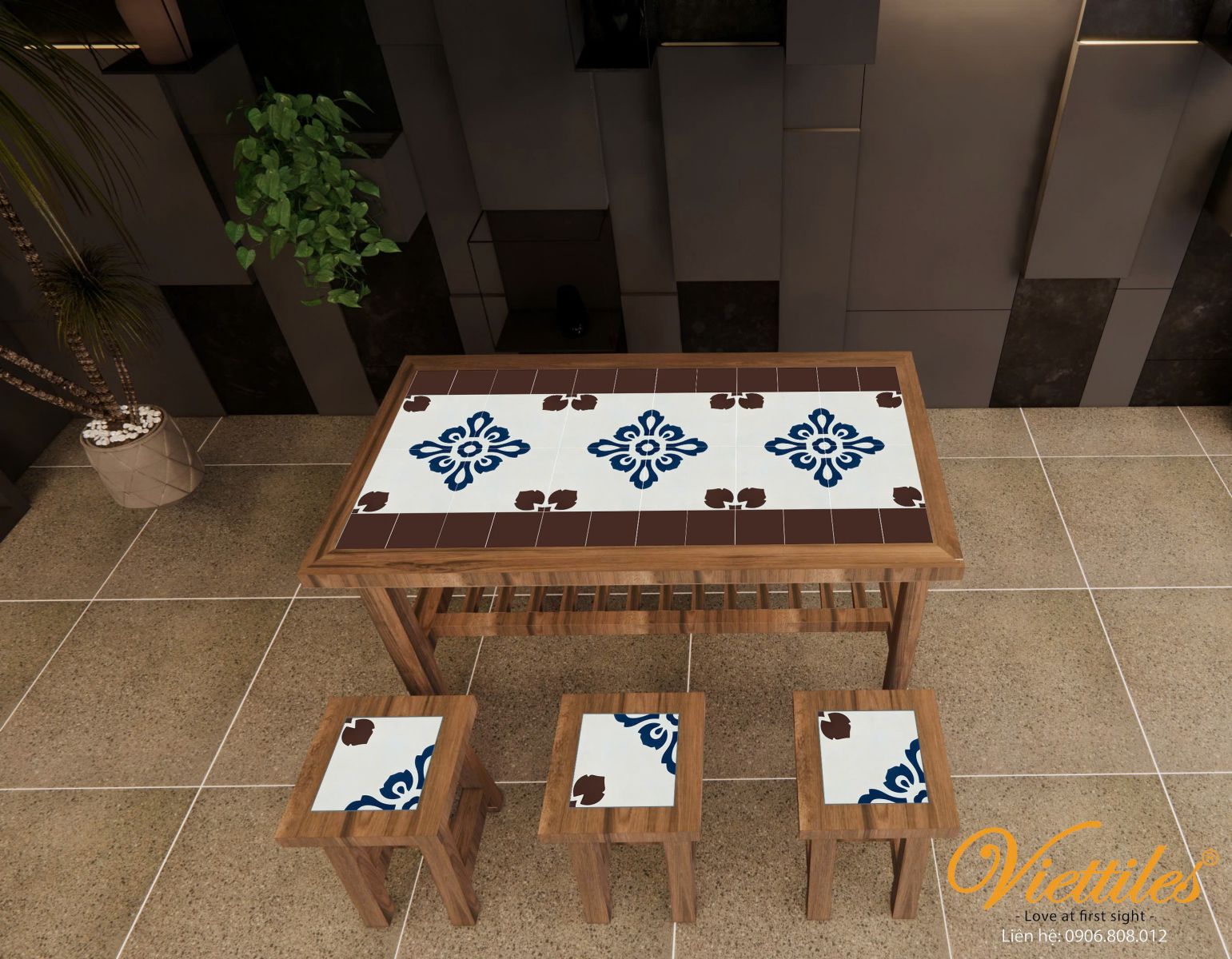
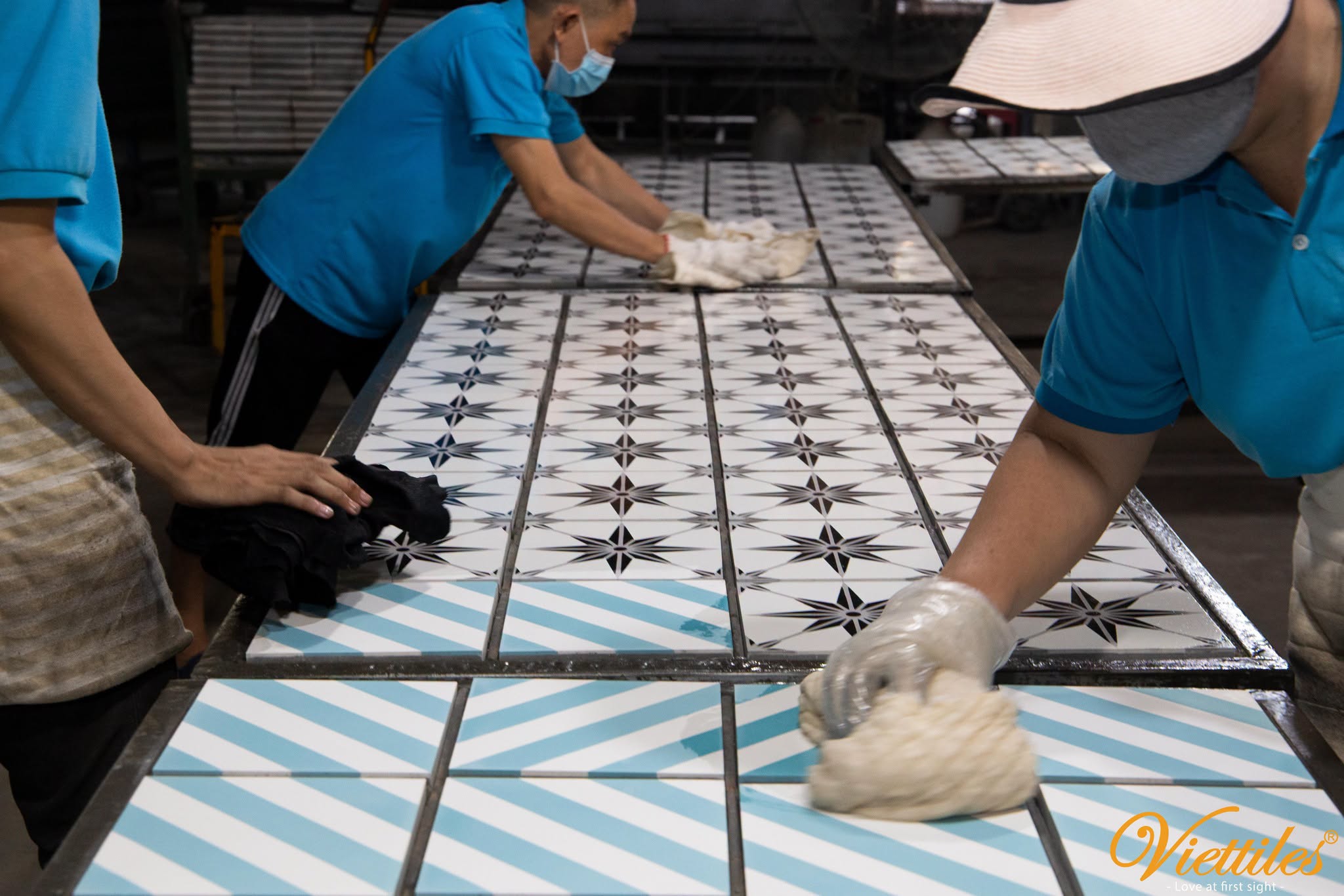
Check the surface level and apply a preliminary waterproofing layer before grouting to help prevent color staining
4. Grout Solutions: Modified Cement Grout and Epoxy
| Criteria | Modified Cement Grout | Epoxy-Based Grout (2 Components) |
|---|---|---|
| Water & Grease Resistance | Fair; may absorb moisture if soy sauce or coffee remains on the surface for a long time | Resistant to grease and described as 100% waterproof, with a dense, non-porous surface |
| DIY Application | Easy to mix and clean, suitable for beginners | Requires quick application and immediate removal of excess grout |
| Aesthetics & Durability | Natural matte texture; may become slightly dull over time | Retains its original color and resists mold growth over many years |
Read more: What Are Encaustic Tile Tables and Chairs? The Current Trend in Artistic Interiors
5. Principles for Maintaining a Stain- and Mold-Resistant Dining Table Surface
-
Clean dark-colored stains immediately: Fish sauce, coffee, or grease spilled on the tabletop should be wiped with a damp cloth within a few minutes.
-
Avoid acidic chemicals: Do not use toilet cleaner, lemon juice, or concentrated vinegar to clean the table, as acids can react with and erode calcium and mineral pigments. Use only clean water or a neutral-pH table cleaner (pH = 7).
-
Use heat-resistant trivets: Placing boiling pots or pans directly on the table may cause thermal shock and cracking of the protective surface layer.
-
Reapply sealer periodically: After 12–18 months of use, deep-clean the tabletop and apply another coat of penetrating sealer to refresh its water resistance.
6. Advantages of Viet Tiles Encaustic Tiles for Handcrafted Products
-
Accurate flatness and edges: Modern static-press technology helps minimize warping and level differences when assembling the tabletop.
-
Durable natural mineral colors: Using imported natural mineral pigments [NEEDS CONFIRMATION: Origin of the pigments], the patterns have a rustic visual depth and maintain their color over many years.
-
Flexible designs: A wide range of styles, from Indochine and classic Retro to modern geometric patterns, accommodates various custom interior design ideas.
A handcrafted encaustic tile dining table that is properly installed and maintained can preserve its refined appearance and serve as a warm focal point in the living space for many years.
VIET TILES CONTACT INFORMATION
-
Address: No. 17, Street 40, An Khanh Ward, District 2
-
Phone: +84 906 830 362
-
Email: info@viettiles.com
-
Website: www.viettiles.com
-
Fanpage: facebook.com/viettiles1910