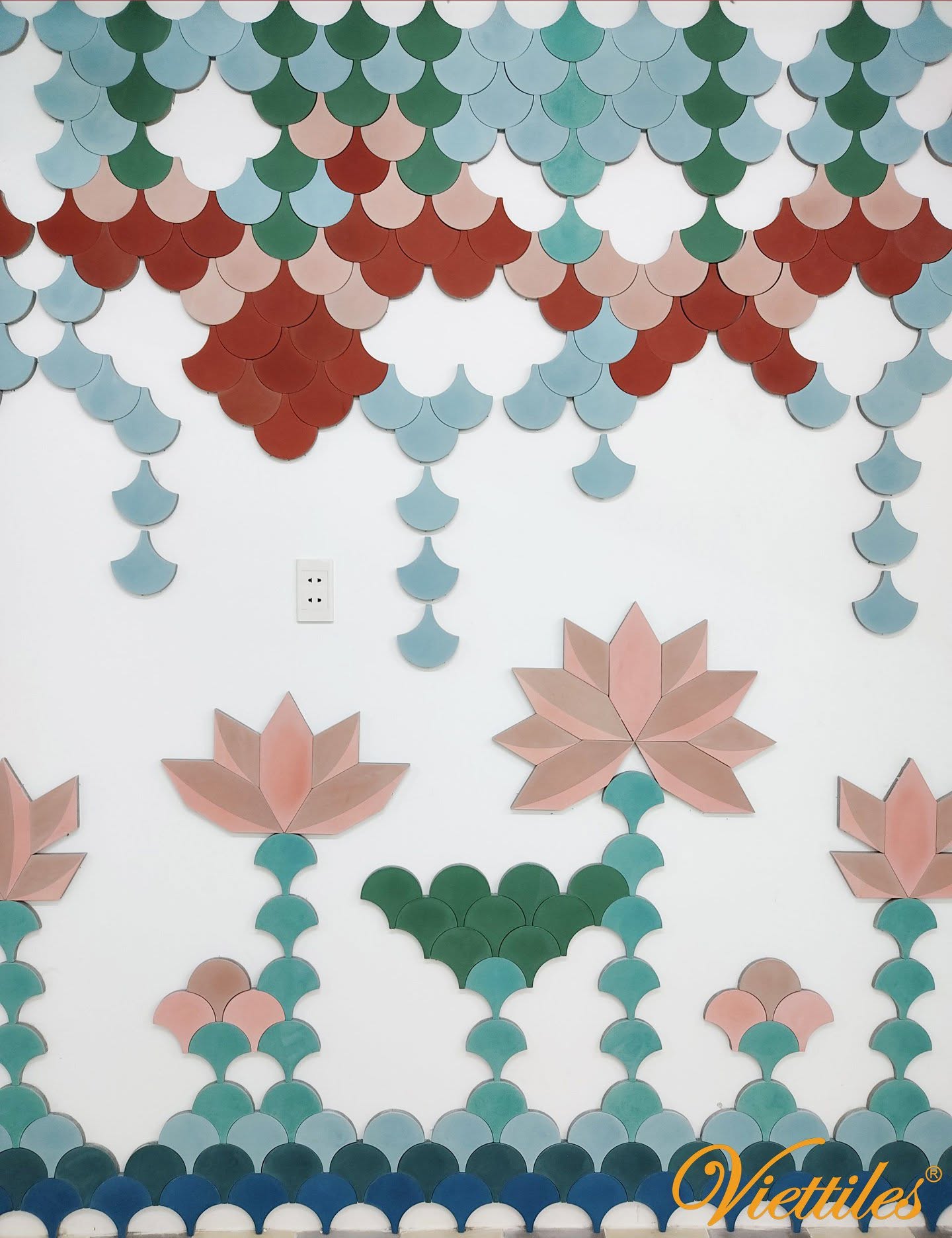
Is Terrazzo an interior design trend in 2026?
One morning, you walk into a newly opened café. Your eyes land on the floor sparkling with tiny colorful stone chips. It isn’t flashy or overly decorative, yet it’s refined enough to make you pause and look a little longer.
That’s terrazzo.
And it raises a question: Is terrazzo truly an interior design trend in 2026?
The answer isn’t found in a passing trend. It lies in the way this material is making a confident comeback in modern design.
When an Old Material Tells a New Story
Terrazzo is not a new name. Decades ago, this material appeared in schools, hospitals, and public buildings. Back then, it was often viewed simply as an economical solution—durable and affordable.
As time passed, interior trends evolved. Engineered wood, marble, and glossy ceramic tiles took center stage, while terrazzo gradually faded into the background.
That changed when minimalism and modern design began searching for surfaces that feel authentic, raw, and visually rich. Terrazzo was rediscovered—this time with a completely different identity.
It is no longer plain or monotonous.
No longer just the traditional grey floor.
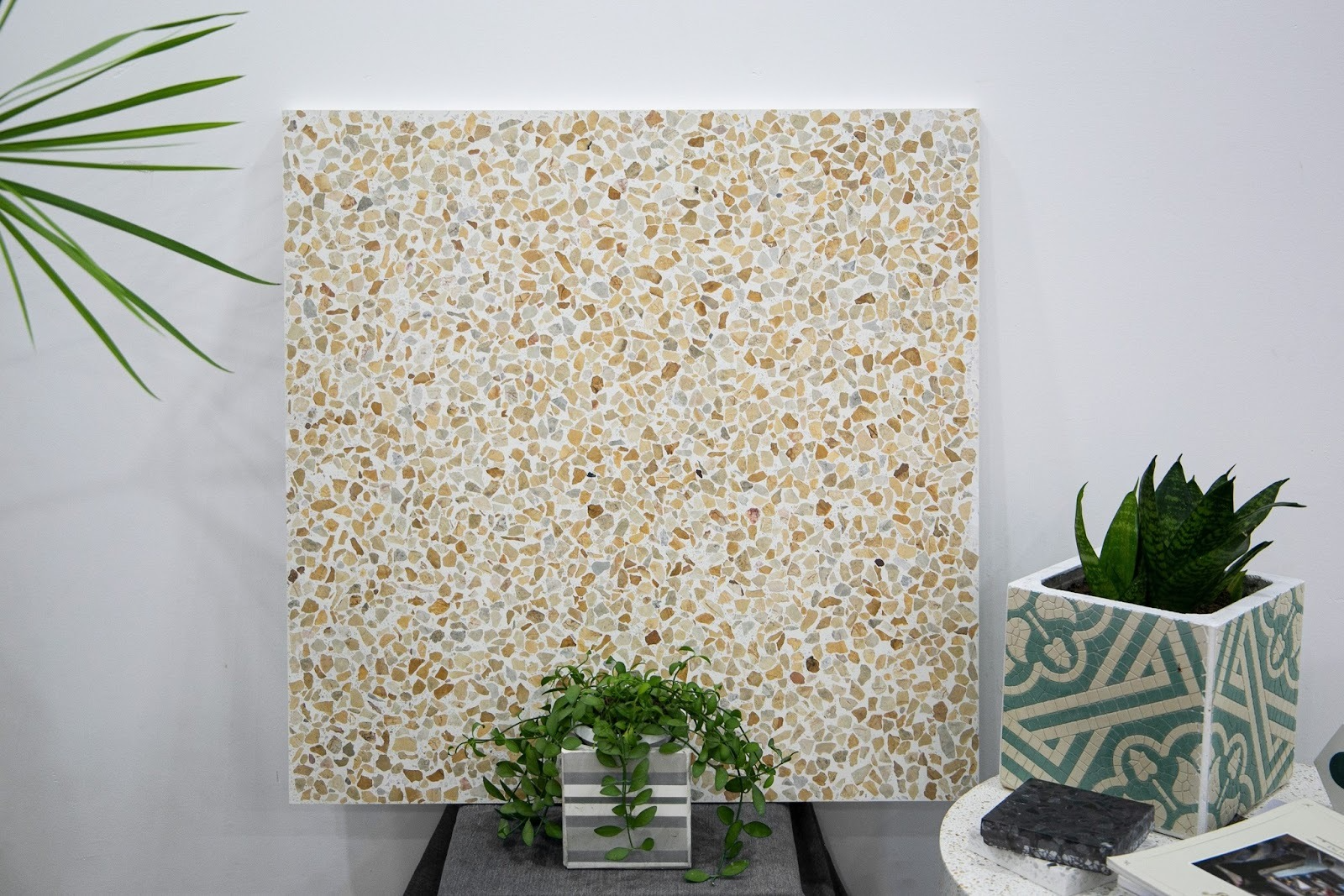
Terrazzo in 2026 blends refined colors, artistically distributed natural stone chips, and surfaces that are more aesthetically refined than ever before.
Why Terrazzo Is Becoming a Trend
Interior design trends in 2026 revolve around three key factors:
• Sustainability
• Personalization
• Long-lasting aesthetics
Interestingly, terrazzo fulfills all three.
Long-Lasting Durability
Terrazzo is made from cement, natural stone aggregates, and binding additives. When produced with proper techniques, its surface offers excellent strength, good resistance to cracking, and suitability for both residential and commercial spaces.
This explains why many modern cafés, showrooms, and townhouses increasingly prioritize terrazzo for flooring, staircases, and even tabletops.
Aesthetic That Never Goes Out of Style
What makes terrazzo unique is the mix of stone chips in different sizes and colors. Each tile feels like a spontaneous composition—yet still intentionally designed.
It’s not as luxurious as marble.
Not as industrial as raw concrete.
Instead, terrazzo sits somewhere in between—both artistic and approachable.
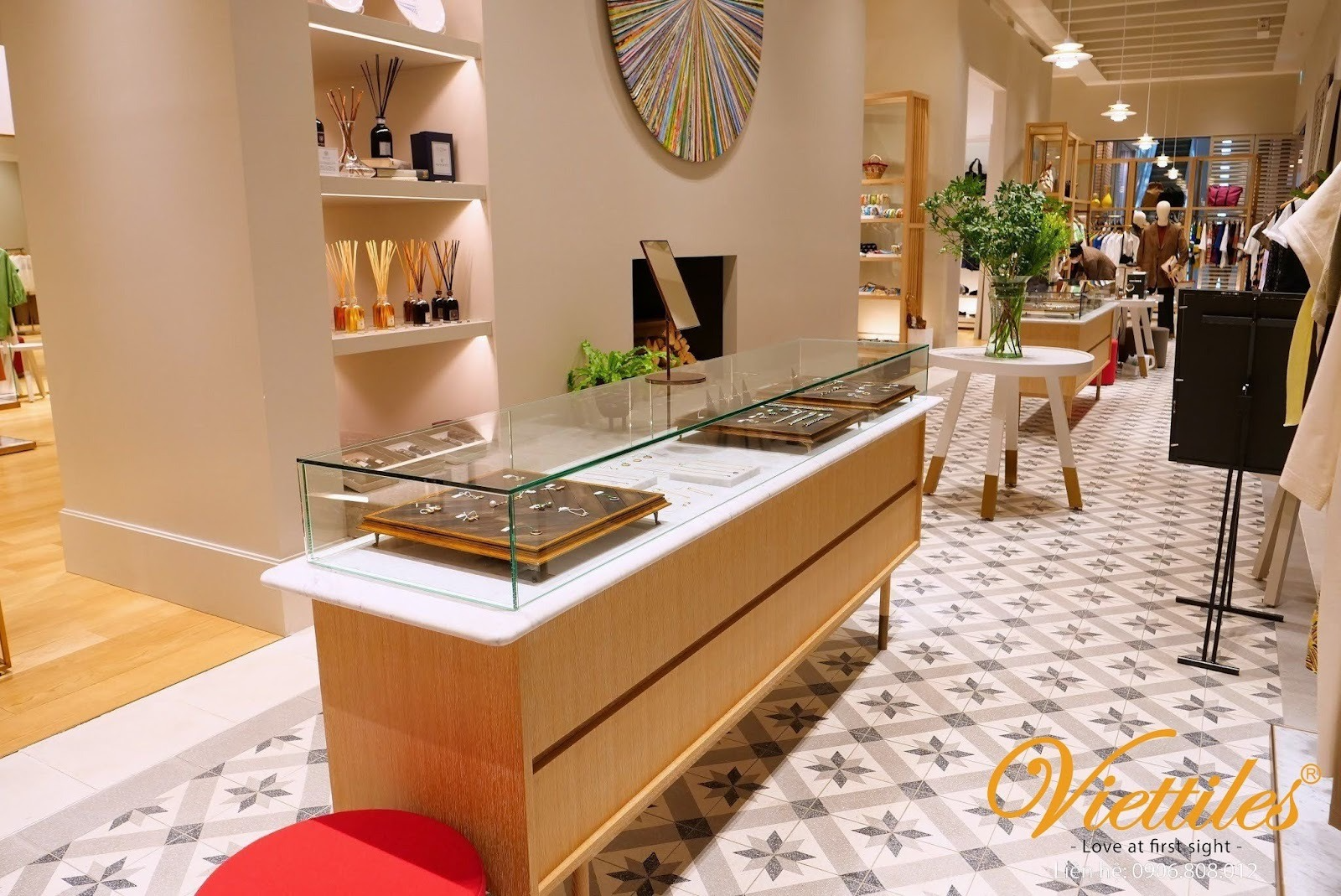
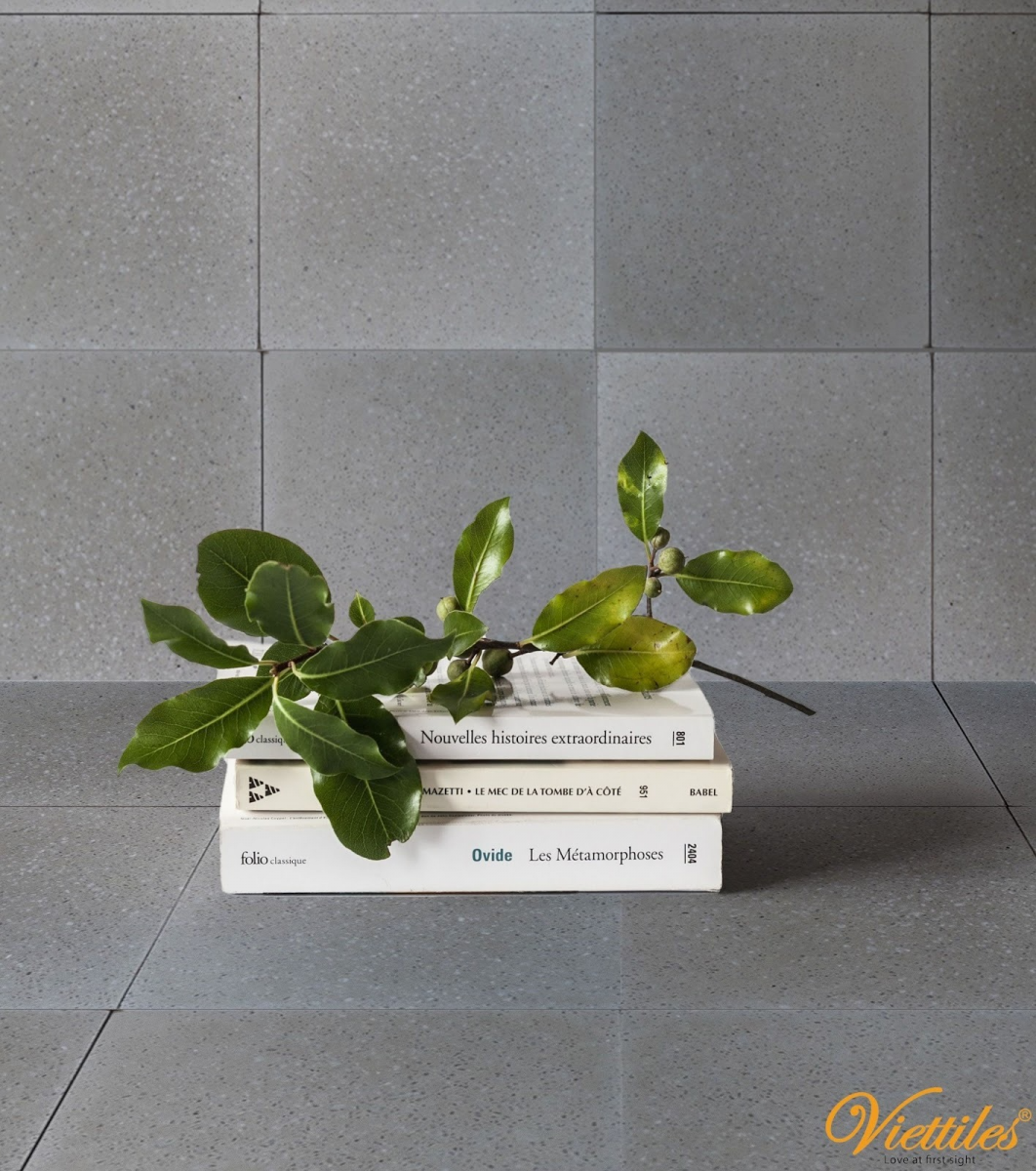
In 2026, neutral tones such as ivory white, smoky grey, and sandy beige, combined with pastel or black-and-white stone chips, are gaining significant popularity.
Suitable for Many Design Styles
Terrazzo fits seamlessly into various interior styles, including:
• Minimalism
• Japandi
• Modern Indochine
• Scandinavian
Depending on how colors and layouts are combined, terrazzo can either serve as a subtle background or become a bold design highlight.
Terrazzo Is No Longer Just for Floors
In the past, terrazzo was mainly used for flooring. But 2026 tells a different story.
Today, terrazzo appears in many applications:
• Bathroom wall cladding
• Café bar counters
• Kitchen countertops
• Integrated terrazzo washbasins
• Staircases
This versatility turns terrazzo into a foundational material in modern design, rather than simply an alternative option.
Features That Make Terrazzo So Popular
The return of terrazzo is no coincidence. From a material perspective, it offers several impressive advantages:
• Strong load-bearing capacity for high-traffic areas
• Reduced slipperiness when properly finished
• Stable resistance to abrasion
• Diverse colors that match various interiors
• Visual depth created by natural stone chips
Additionally, terrazzo is often considered more environmentally friendly than many natural stones that require large-scale quarrying.
Terrazzo in 2026: A Trend or a Long-Term Choice?
If we say terrazzo is only a “trend,” that might not be entirely accurate.
Trends are usually short-lived, while terrazzo offers long-term durability and relevance.
What has changed is not the material itself—but the way designers and users perceive and apply it. As minimalist aesthetics gain popularity, terrazzo becomes a perfect design element.
It is not loud.
It is not showy.
But it has enough character to leave a lasting impression.
Viettiles and the Story of Modern Terrazzo
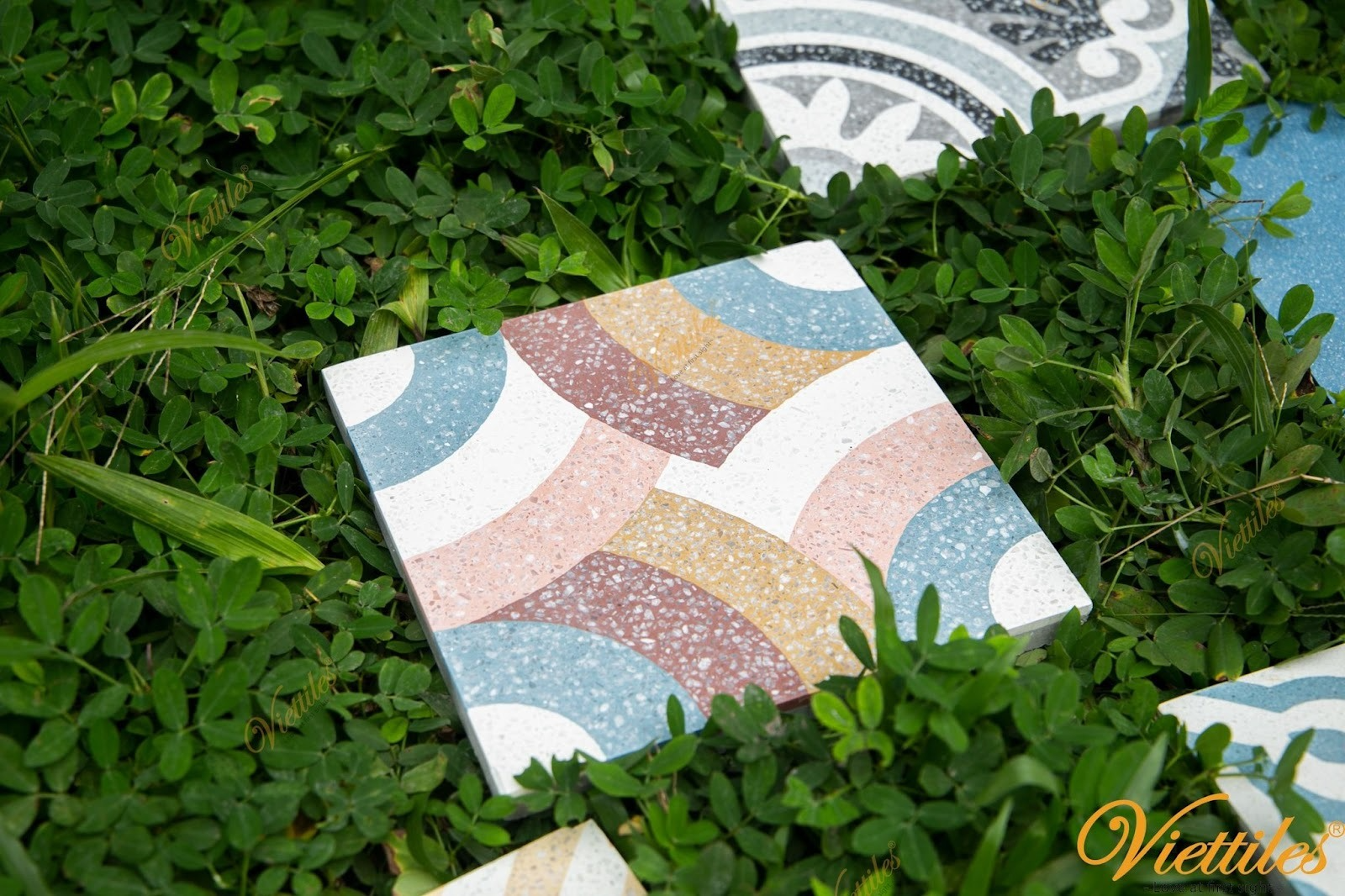
At Viettiles, terrazzo is not viewed as a replacement material—it is treated as a design-driven product line.
The difference lies in:
• Careful control of cement base colors
• The ratio and size of stone chips
• Surface finishing quality
• Consistency across production batches
These factors ensure that each terrazzo tile not only delivers durability but also maintains its aesthetic appeal when applied to real projects.
In the context of 2026, when people are looking for materials that are both beautiful and long-lasting, terrazzo from Viettiles becomes a suitable choice for both residential and commercial spaces.
So, Is Terrazzo an Interior Design Trend in 2026?
The answer is: Yes.
But it’s more than just a trend.
Terrazzo represents the return of a classic material in a new form—more refined, more aesthetic, and more sustainable.
If 2024–2025 was the stage of early revival, then 2026 is the year terrazzo becomes officially recognized as part of modern design language.
And perhaps the most beautiful thing about terrazzo isn’t the sparkling stone chips.
It’s the way it gives a space a story of its own.