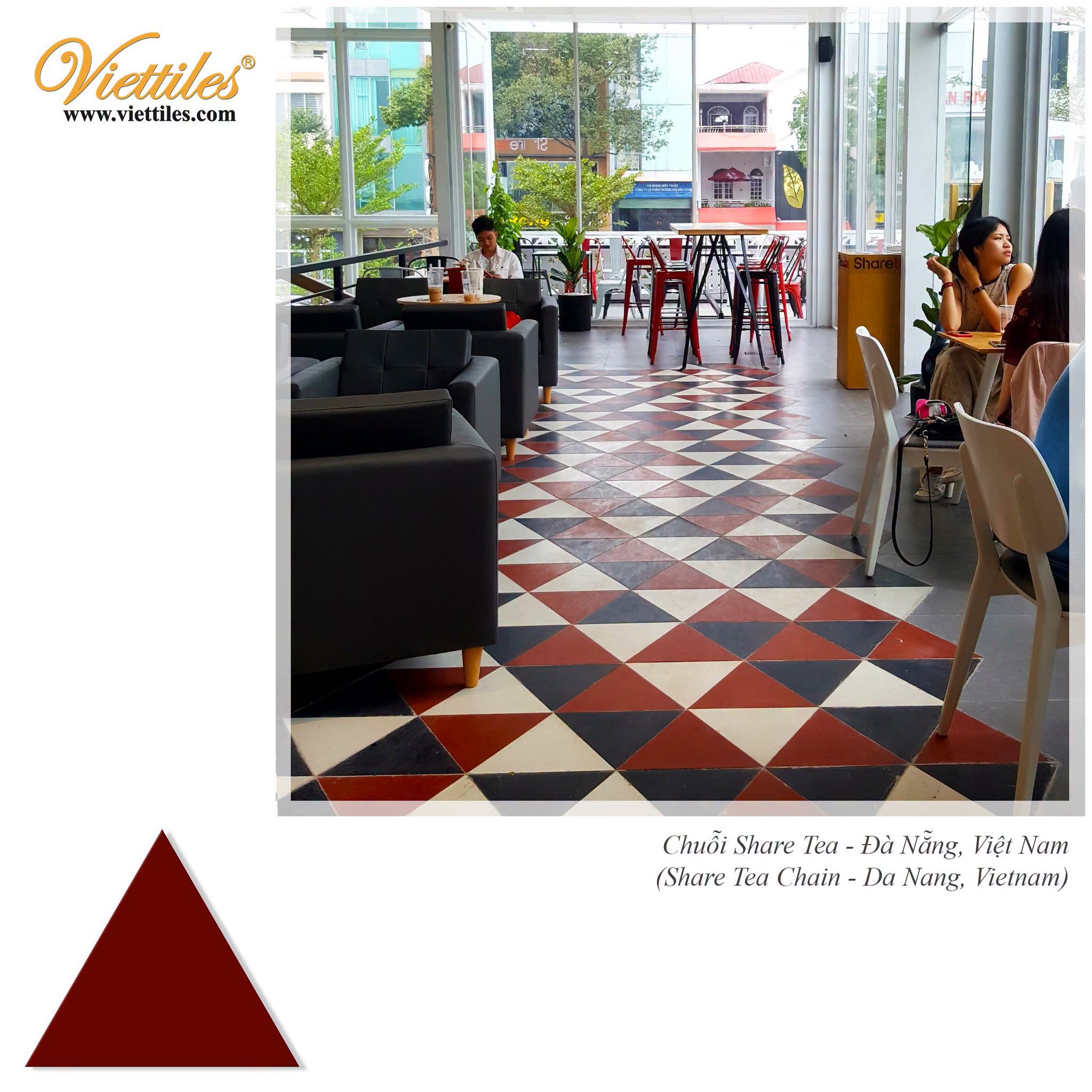
Black and White Cement Tiles for Modern-Style Projects
In contemporary architecture, minimalism presents a demanding design challenge: how can a space feel inviting without becoming overly elaborate?
Unlike multicolored designs that evoke nostalgia, black and white cement tiles embody the clarity and precision of geometric design. This timeless contrast creates a decisive, elegant, and enduring visual depth, offering a material solution that balances geometric thinking with a natural, handcrafted texture for projects with a distinctive design identity.

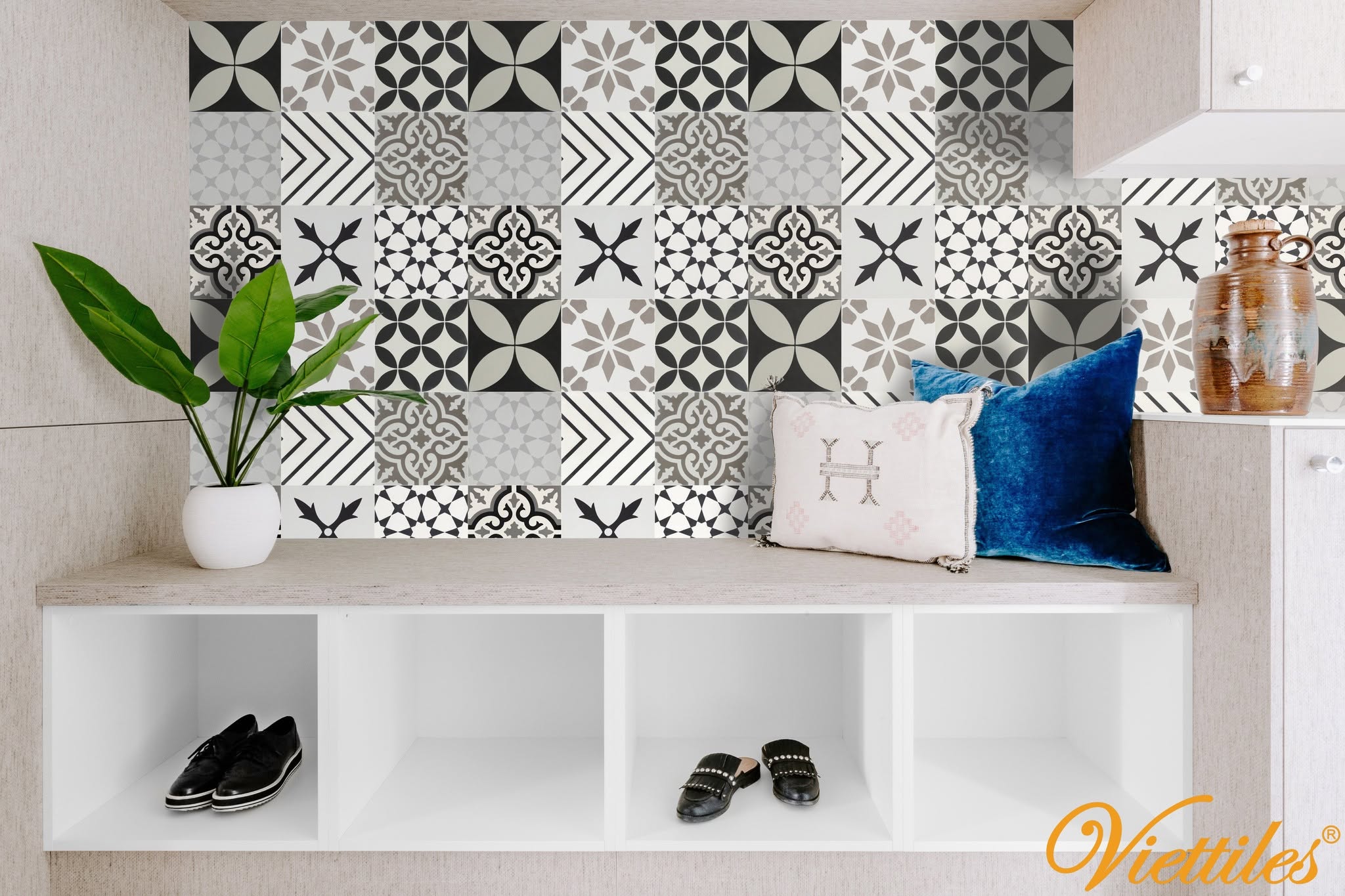
Black and white cement tiles create a refined visual contrast, defining a modern architectural identity without overwhelming the space.
1. Trends in Using Black and White Cement Tiles in Modern Architecture
-
Natural visual zoning: In open-plan layouts, a black-and-white tiled “rug” defines functional areas while maintaining spatial continuity, eliminating the need for rigid partitions.
-
Tactile balance between concrete and glass: The dense, smooth-matte surface of handcrafted cement tiles introduces a warm visual focal point, offsetting the coolness of metal, glass, and industrial stone.
-
A timeless design language: Trend-driven colors can become outdated within a few years, but the black-and-white contrast retains its visual appeal across architectural cycles.
See also: Ventilation Blocks and the Solution for Letting Your Home Breathe
2. Criteria for Choosing Suitable Patterns and Materials
High-end projects demand precision in everything from pattern design to the tile composition:
-
Linear patterns: Prioritize geometric designs such as zigzags, checkerboards, interwoven stripes, or 3D cubes. Their clean lines complement slimline frames and flat-fronted furniture.
-
Integrated mineral color layer: Quality handcrafted tiles should use natural mineral pigments mixed with white cement and fine sand. The color layer should be at least 2–3 mm thick and hydraulically pressed into the tile body to help preserve pattern definition over time.
-
High-pressure-pressed base: Made from stone powder and high-strength cement, the base helps reduce the risk of warped edges and improves adhesion when used with specialized tile adhesive.

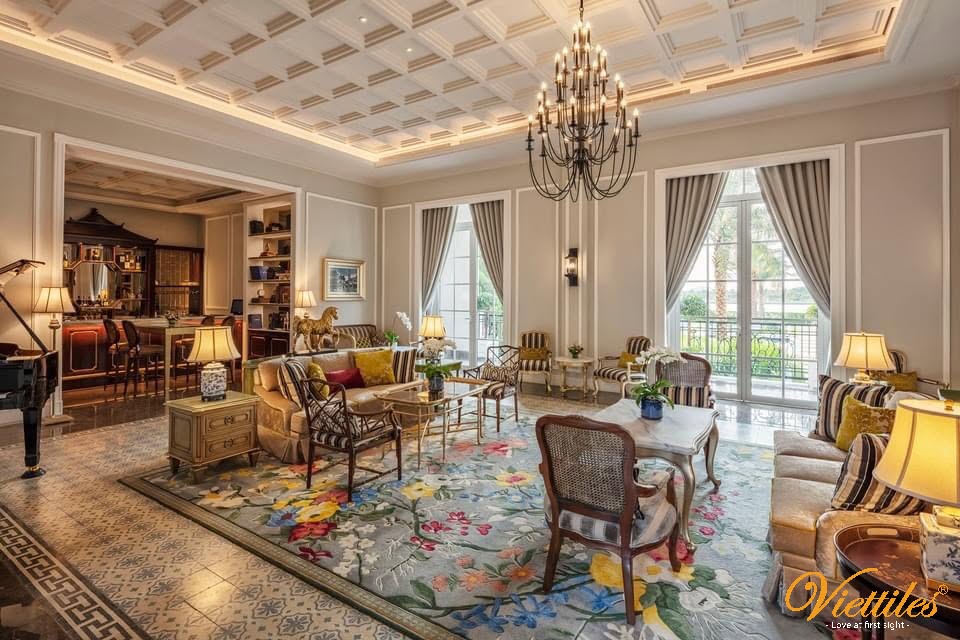
A representative Viettiles cement tile project in beautiful Singapore
3. Application Ideas for Different Spaces (Entrances, Kitchens, Bathrooms, and Balconies)
Understanding a material means knowing how to use it according to the actual requirements of each area:
-
Entrance foyer: A framed tiled-rug layout creates a polished first impression at the entrance while withstanding frequent foot traffic. Slip resistance should be verified for the selected tile and finish.
-
Kitchen (Backsplash & Island): Wall tiles create a striking contrast against flat-fronted cabinetry. This area should be treated with an oil- and grease-resistant, solvent-based sealer suitable for the intended application.
-
Bathroom (Prioritize Dry Zones): Use cement tiles on vanity floors or decorative dry walls. They are generally not recommended for wet shower floors because cement’s capillary structure can allow soap and calcium deposits to accumulate and cause surface discoloration.
-
Covered Balconies & Loggias: A few square meters of cement tiles combined with greenery and minimalist tea furniture can create a peaceful outdoor retreat.

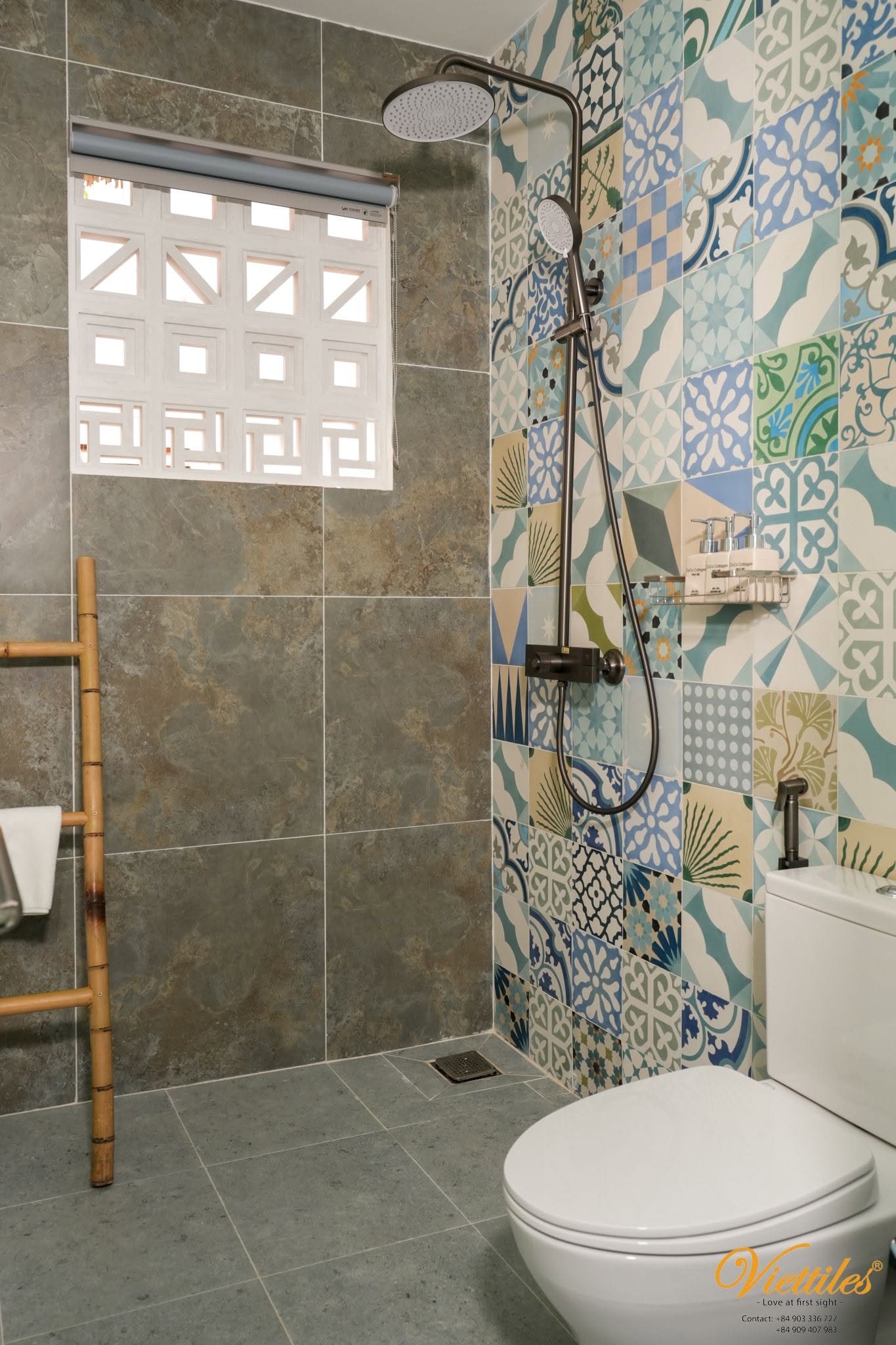
A representative Viettiles cement tile project in beautiful Singapore
4. Principles for Coordinating Colors, Materials, and Lighting
-
Create visual breathing room: Black and white are inherently high-contrast colors, so surrounding walls and ceilings should use softer neutral shades such as off-white, light gray, or beige.
-
Balance with complementary materials: Use natural wood to warm up the space, or combine the tiles with matte black aluminum frames and brass accents for a refined, sophisticated look.
-
Accent lighting: Cement tiles have a relatively non-glossy surface. Consider warm or neutral lighting in the 3000K–4000K range, with focused spotlights to emphasize geometric forms.
See also: What Is Mediterranean-Style Architecture? Key Features and Popular Design Trends Today
5. Installation, Grout Color, and Surface Maintenance Guidelines
On-site installation practices play a decisive role in the durability of the finished surface.
Screed Dryness
The mortar screed should be allowed to dry for at least 2–3 weeks before tile installation to reduce the risk of moisture migrating upward and causing white efflorescence.
Tile Adhesive
Use a specialized, flexible tile adhesive. Avoid traditional cement slurry.
Proper Sealing and Grouting Procedure
-
Step 1: Apply one coat of penetrating sealer before grouting to reduce capillary absorption and prevent grout powder from staining the white areas of the tile.
-
Step 2: Grout with joints measuring 1.5–2 mm, preferably using light gray grout. Avoid black grout, as it can permanently stain the tile edges.
-
Step 3: Once the grout has dried completely, apply a second coat of sealer. A third coat may be considered for kitchen areas, depending on the product specifications and exposure conditions.
Maintenance
Use only pH-neutral floor cleaners (pH = 7). Avoid strong acidic solutions that can erode the cementitious body and damage the decorative patterns.

Cement tiles continue to captivate through the simple combination of black, white, and gray.
VI. Technical Support from Viettiles for Contemporary Projects
For projects with demanding technical requirements and precise aesthetic standards, choosing a manufacturer with in-depth knowledge of handcrafted cement materials is a key consideration.
With exports to more than 50 international markets, including the United States, Europe, and Japan, Viettiles works with architects and project owners to provide practical material solutions:
-
Sustainable, non-fired production: Viet Tiles cement tiles are handcrafted, compacted under high static pressure, and naturally cured through cement hydration, eliminating firing-related thermal emissions.
-
2–3 mm mineral color layer: High-quality imported mineral pigments are integrated into the tile body to help resist fading and surface blistering.
-
Large-scale supply capacity: A network of 3 factories in Ho Chi Minh City with an average production capacity of 60,000 m² per month. Products are exported to more than 64 countries and featured in major projects such as Disneyland Hong Kong, Novaland, Vinpearl, The Annam Nha Trang, and Four Seasons.
See also: Viettiles Ventilation Blocks – Attractive, Airy, and Safe Facade Solutions for Buildings
VIET TILES
Head Office & Showroom: No. 17, Street 40, An Khanh Ward, Thu Duc City, Ho Chi Minh City
Project Consultation Hotline / Zalo: 0906.80.80.12 - 0906.83.03.62
English Support: +84 909 407 983
Email: info@viettiles.com
Website: www.viettiles.com
Factory and warehouse locations: Le Minh Xuan Industrial Park (Binh Chanh, Ho Chi Minh City) and Chon Thanh (Binh Phuoc).