What Are Polished Porcelain Tiles? Advantages, Disadvantages, and How to Choose Tiles for Each Space
In the industrial tile market, polished porcelain tiles are a familiar choice in many modern projects thanks to their bright visual effect and glossy appearance. However, not every area of a home is suitable for this type of tile, particularly when slip resistance and the overall feel of a space are taken into account. Understanding their composition, practical advantages and disadvantages, and how they compare objectively with other flooring materials, such as handmade cement tiles, will help you choose the right tile for each functional area.

Choosing between polished tiles and handmade cement tiles depends on the function and design style of each space.
What Are Polished Porcelain Tiles? Key Identifying Features
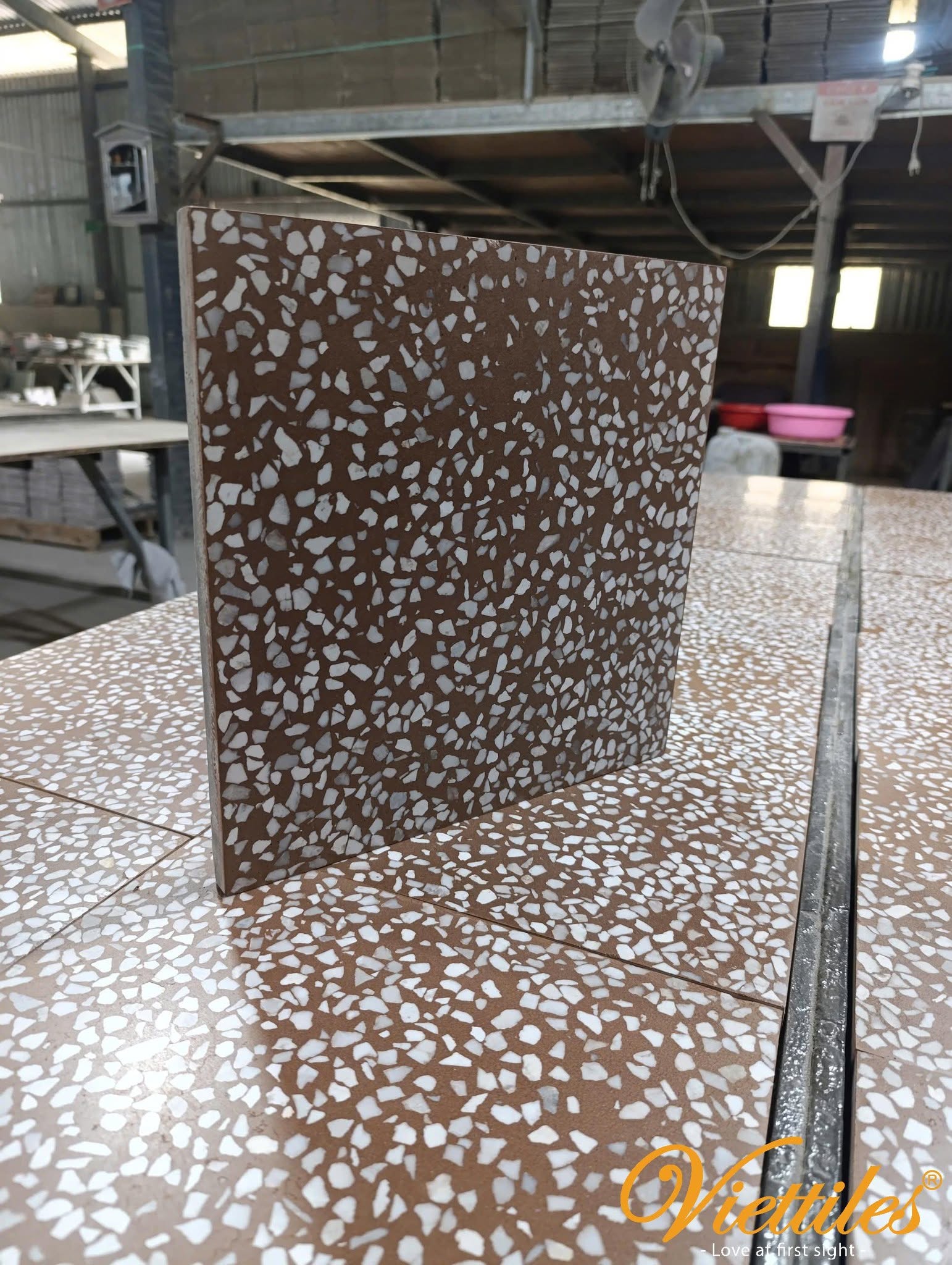
Polished porcelain tiles, also known as polished quartz tiles, are industrially manufactured floor and wall tiles with a dense body made primarily from feldspar (approximately 70%), refined clay (approximately 30%), and various additives. They are fired at high temperatures exceeding 1,200°C.
The main characteristics of polished porcelain tiles include:
-
Highly polished surface: Their gloss does not come solely from a glazed coating. Much of it is produced through surface-polishing technology, including nano-polishing processes.
-
High light reflectivity: The surface reflects light like a slightly diffused mirror, making a room appear brighter and more spacious.
-
Dense, substantial tile body: These tiles may have a full-body or double-layer structure and typically have very low water absorption, often below 0.5%. When tapped, they produce a clear, resonant sound.
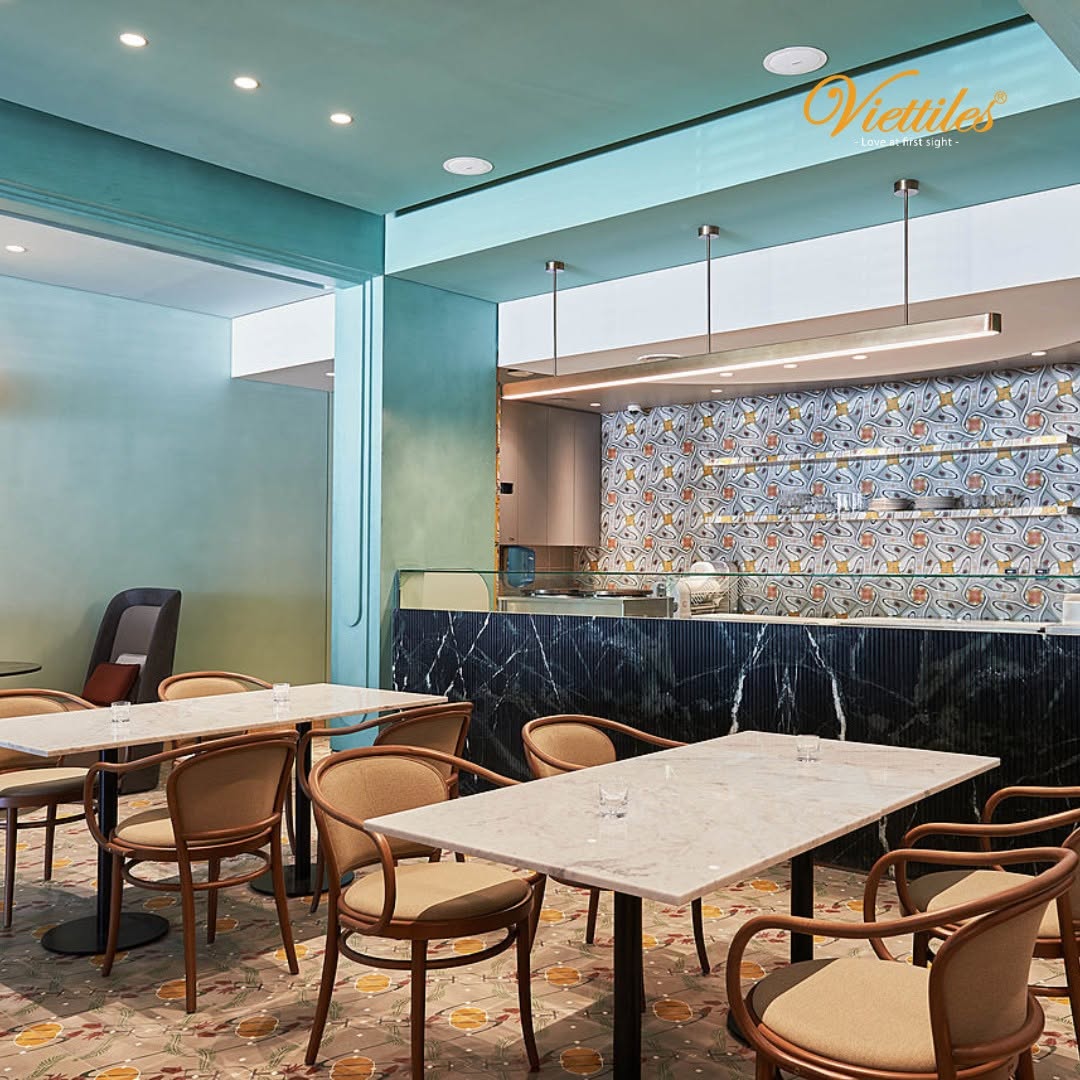
See also: Beautiful Patterned Cement Floor Tiles for Restaurants with a Nostalgic Style
Advantages and Limitations of Polished Porcelain Tiles
1. Advantages
-
Enhance the sense of space and optimize light: Their high reflectivity can make dimly lit or small rooms appear brighter and more open.
-
Good resistance to surface dirt: The polished surface has fewer exposed pores, helping limit dirt accumulation. Ordinary stains can generally be wiped away with a damp cloth.
-
A hard, dense tile body: High-pressure-compacted porcelain offers good load-bearing performance and is generally resistant to warping or cracking under normal everyday use.
2. Limitations to Consider
-
Can become slippery when wet: This is one of the main drawbacks. When the floor is wet, traction can decrease significantly, increasing the risk of falls, particularly for older adults and young children.
-
Fine scratches can become visible: Over time, small grains of sand and grit trapped beneath footwear may cause fine surface scratches that diminish the original gloss.
-
May create a cold visual atmosphere: Excessive mirror-like reflection can sometimes make a living space feel less warm and inviting.
Which Spaces Are Best Suited to Polished Porcelain Tiles?
Based on their physical characteristics, polished porcelain tiles are generally best suited to dry areas:
-
Shopping mall entrances, showrooms, and offices: Ideal for spaces that need a sophisticated, expansive appearance and reflections from ceiling lighting.
-
Modern apartment living rooms: Suitable for homeowners who prefer an industrial minimalist style and want natural light to spread throughout the room.
-
Reception halls and entrance lobbies: Their reflective surface can create a greater sense of depth and a polished, contemporary appearance.
Areas where use should be limited: Wet bathroom floors, outdoor flooring, exposed balconies, and walkways used by older adults or young children. These areas can present a higher slip risk when rainwater or standing water is present.

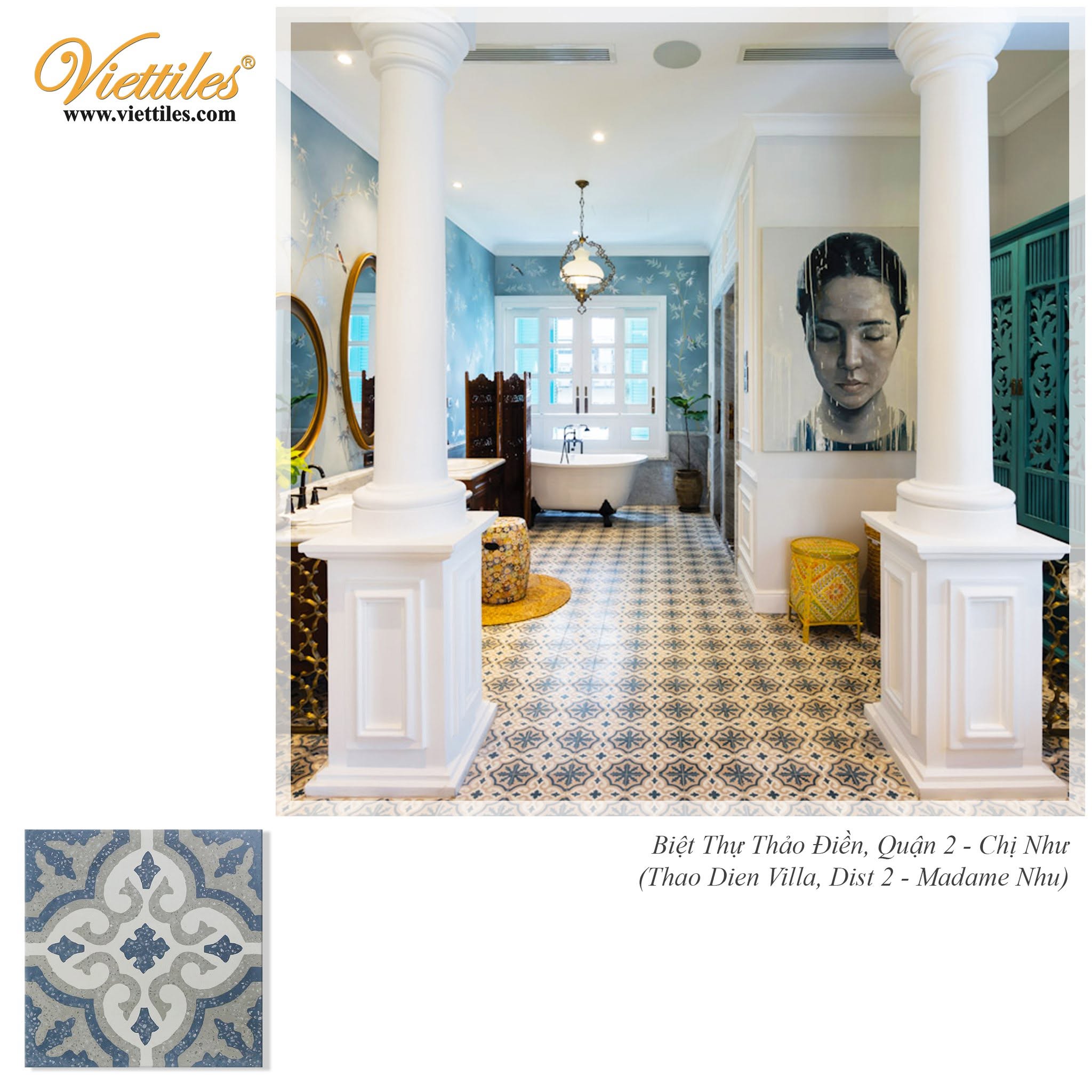
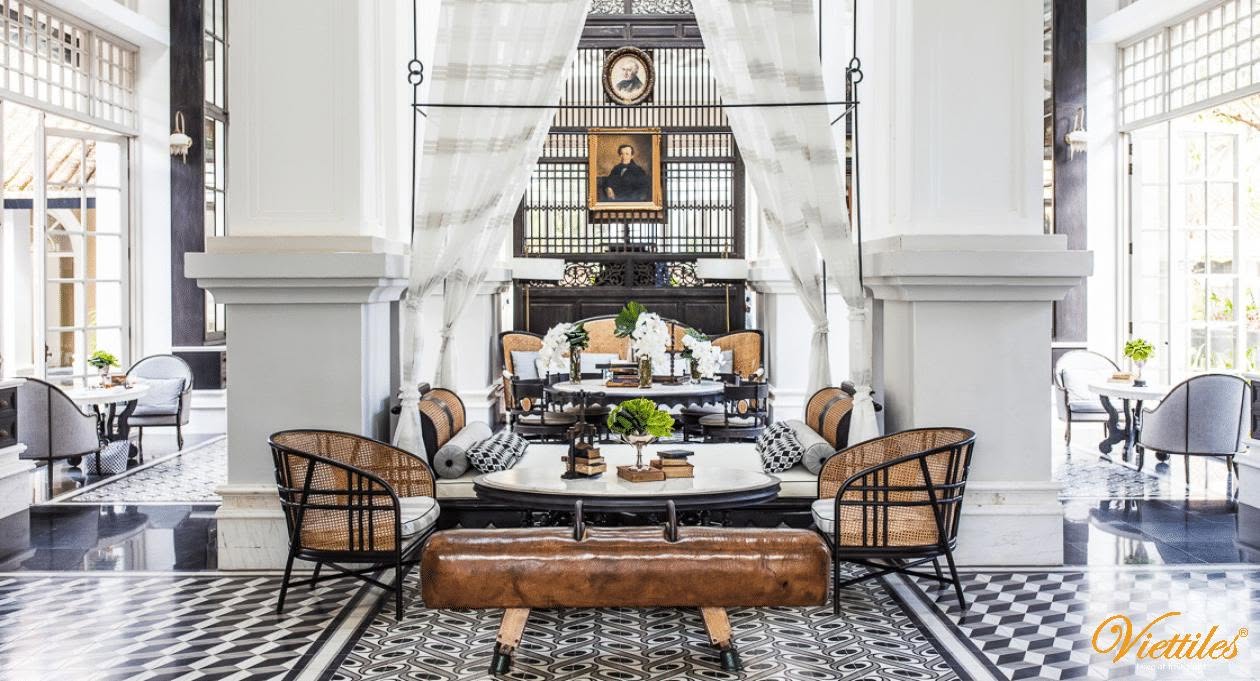
Combining glossy materials with handmade patterned tiles can help create a more visually balanced space.
Tips for Choosing Polished Porcelain Tiles Based on Your Needs
-
Choose according to the technical classification:
-
Single-layer polished tiles: Generally more affordable, with a basic polished surface. They may suit rental properties or commercial projects with shorter service-life requirements.
-
Double-layer polished tiles: Feature a thicker, more substantial polished and patterned layer. Depending on the product, they may offer better wear resistance and can be suitable for townhouses.
-
Full-body polished tiles: Have a more uniform material composition throughout the tile, with patterns that may extend through the body. They can offer good durability and are worth considering for villas or large entrance halls, depending on the product specifications.
-
-
Check the reflectivity under lighting: Place a sample beneath ceiling lights to assess how it reflects light. Avoid finishes with excessive glare that may cause visual discomfort during prolonged daily use.
-
Choose a proportionate tile size: Sizes of 600 × 600 mm and 800 × 800 mm are common choices for larger floor areas, helping reduce the number of visible grout joints.
Comparing Polished Porcelain Tiles with Handmade Cement Tiles and Other Flooring Options
Many homeowners find themselves choosing between the modern appearance of polished porcelain tiles and the distinctive aesthetic of handmade cement tiles. In reality, these materials serve different design philosophies.
| Comparison criteria | Polished porcelain tiles | Artistic handmade cement tiles |
|---|---|---|
| Manufacturing process | Industrial pressing and high-temperature firing above 1,200°C | Handmade cold hydraulic pressing and natural curing |
| Surface and feel | Highly glossy, reflective, and often cool underfoot | Smooth, naturally matte surface that may feel more comfortable underfoot depending on ambient conditions |
| Slip resistance | Can offer low traction when wet, depending on the finish | The cement surface may provide more natural friction, depending on the finish and protective treatment |
| Patterns and aesthetics | Industrially produced stone and cloud-like patterns, often digitally printed | Intricate patterns created by artisans applying mineral pigments, with a distinctive nostalgic character |
| Suitable styles | Modern, minimalist, public, and luxurious spaces | Indochine, Tropical, Vintage, and interiors seeking a personal decorative accent |
While polished porcelain tiles create a consistent, reflective surface across large areas, handmade cement tiles bring character to a floor through their handcrafted details, visual depth, and the warmth associated with mineral-based materials.

What Are Polished Porcelain Tiles? Advantages, Disadvantages, and How to Choose Tiles for Each Space
See also: Materials That Help Keep Homes Naturally Cool Without Relying on Air Conditioning
Finding the Right Balance of Materials for Your Home with Viettiles
A thoughtfully designed living space rarely depends on a single material. Contemporary architecture often combines the brightness of smooth flooring with warm, handmade patterned cement-tile sections that create a distinctive visual focal point.
At Viettiles, we understand how different materials influence the atmosphere and experience of a space. If you are looking to add character to your living room, kitchen, or relaxing balcony, Viettiles is ready to advise on handmade tile combinations and help plan balanced pattern proportions that complement the overall flooring design. The result can be a space that is both practical and rich in individual character.
Contact Viettiles for Material Selection Advice and Design Solutions:
-
???? Showroom: No. 17, Street 40, An Khanh Ward, Thu Duc City, Ho Chi Minh City, Vietnam
-
???? Hotline: 0906 808 012 – 0906 830 362
-
✉️ Email: info@viettiles.com
-
???? Website: www.viettiles.com
-
???? Factories: Le Minh Xuan Industrial Park (Ho Chi Minh City) and Chon Thanh (Binh Phuoc Province)