The famous traditional silk weaving villages in Vietnam
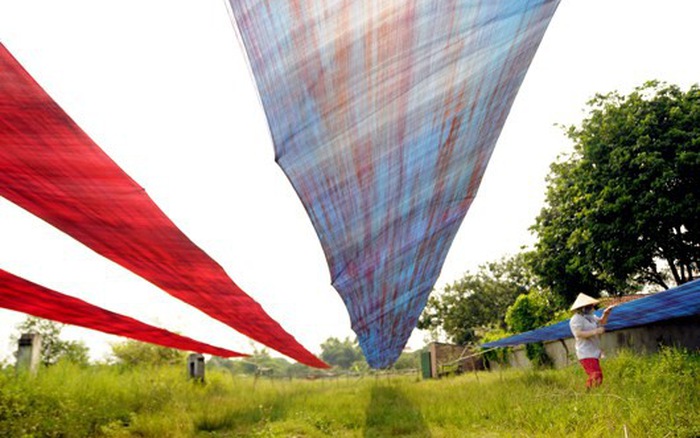
The silk farming industry in Vietnam originated during the reign of King Hung Vuong VI, thanks to Princess Thieu Hoa, who directly pioneered and developed this silk weaving industry. She named the woven thread "silk," called butterflies "moths," and caterpillars "silkworms," names that are still used today and are associated with traditional craft villages. This article will explore the long-standing traditional silk weaving villages across the country, preserving the essence and identity of the nation.
Famous Vietnamese Silk Weaving Villages
Van Phuc Village – Ha Dong (Hanoi)
Van Phuc Village is considered one of the oldest traditional silk weaving villages today. The silk products made in this village were offered as tribute to the kings and officials of that era. The silk products of the village boast many unique patterns and motifs, the characteristic softness of the silk threads, and folklore says, "Nga Son mats, Bat Trang bricks, Nam Dinh silk fabrics, Ha Dong silk."
Furthermore, Van Phuc silk products have been featured in works of art, poetry, music, and films to celebrate the beauty of silk in general and Van Phuc - Ha Dong silk in particular.
However, nowadays, the craft village is increasingly declining due to market demands. Fewer and fewer people use genuine, pure silk products, making it difficult to find buyers. Simultaneously, the limited variety of silk products fails to meet market trends.
In parallel, the existence of counterfeit and low-quality imitation products makes it difficult for consumers to distinguish between real and fake silk.

Van Phuc Silk Village
Ma Chau Silk Village (Duy Xuyen – Quang Nam)
Ma Chau silk weaving village has a tradition of over 300 years, located in Hoi An town, Quang Nam province. The fertile land allows for the cultivation of lush mulberry trees, which contributes to the quality of the silk produced by silkworms – a key factor differentiating Ma Chau silk from other silk products from other villages.
Currently, with the development and innovation of the market economy, the village faces many challenges regarding raw materials, quality, diversity, and market access for its silk products. However, the artisans of the village still strive to preserve and pass on their craft from generation to generation.

Ma Chau Silk Village
Tan Chau Silk Village (An Giang)
Tan Chau silk is known by its brand name, Lanh My A, and has been famous for a long time. To create these lustrous silk products, the artisans here put in extreme effort in the process of cultivating mulberry trees and raising silkworms.
Tan Chau silk was once one of the largest silk centers in Vietnam, especially in the South. Therefore, the people here are always proud of their silk products. Furthermore, Tan Chau silk has been featured in poetry to celebrate its exquisite beauty:
“No man is as virtuous as the men of Song Cua,
No woman is as kind as the women of Tan Chau,
Throughout their days weaving silk and cultivating mulberry trees,
Serving their fathers and caring for their mothers without complaint.”
This speaks of the close association of Tan Chau women with silkworm trays and cocoons, a graceful and distinctly Southern Vietnamese image.
The distinctive feature of silk products from the craft village lies in the printing and dyeing techniques, which involve many different steps, as well as the skills and experience of the artisans, creating silk products with natural colors that do not fade during use.
Tan Chau silk is also exported to many countries around the world, and today, it is still being preserved and developed by artisans.

Tan Chau Silk Village
Nha Xa Silk Village (Ha Nam)
This craft village was established by General Tran Khanh Du, also known as Nhan Hue Vuong, during the Tran Dynasty. The silk village is extremely famous and continues to develop to this day, thanks to the specialization promoted by the villagers, increasing productivity and the quality of silk products.
Currently, Nha Xa Silk Village is one of the most famous and developed craft villages.

Nha Xa Silk Village
Bao Loc Silk Village – Lam Dong
Bao Loc silk is quite special, delicate yet extremely refined. Products from this craft village are exported to many markets around the world, especially demanding markets like Japan, France, and Italy. The advantage lies in the use of modern technology in the silk production process, from technologically advanced countries, combined with the weaving skills and experience of local artisans, creating a truly unique and high-quality product.
However, despite its high quality, this silk is rarely used by Vietnamese people because it is primarily exported abroad.

Bao Loc Silk
Source: Nhasilk